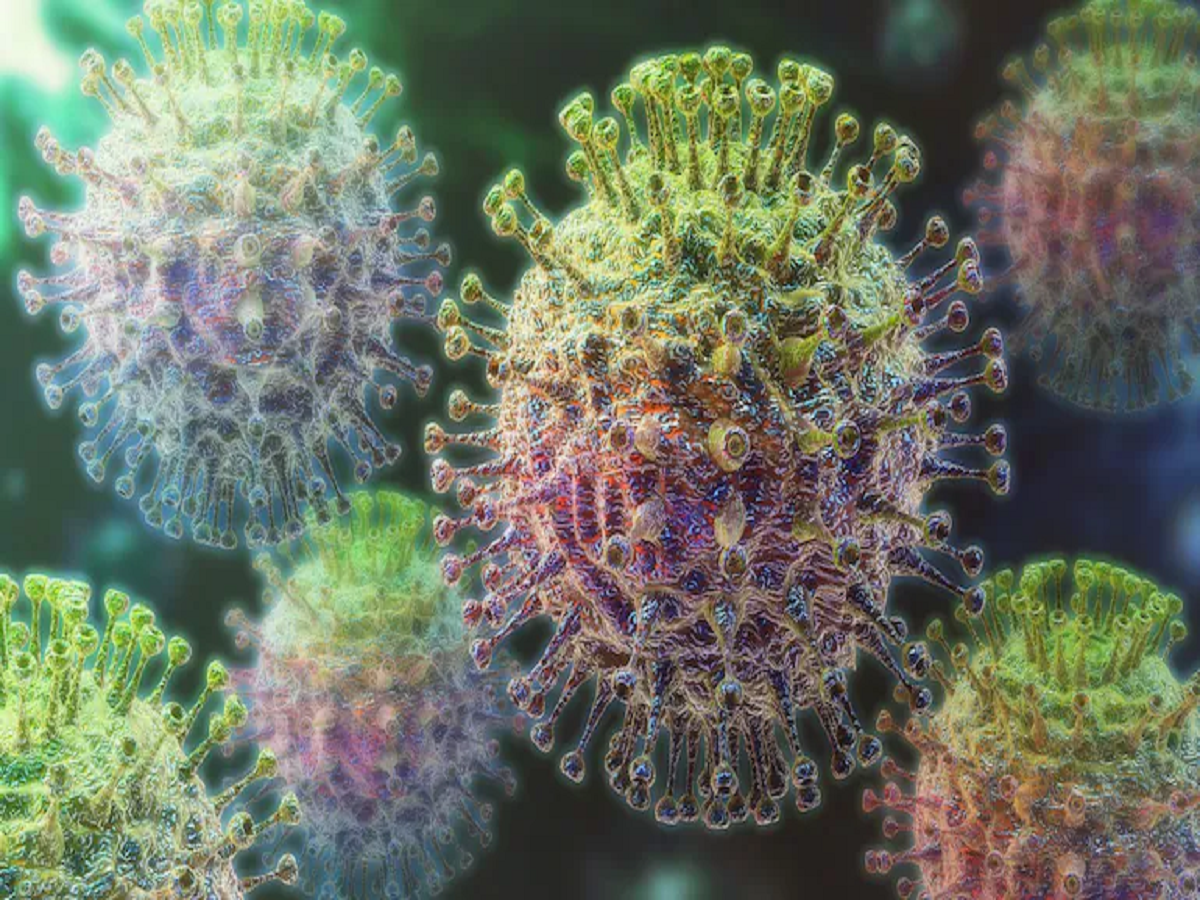
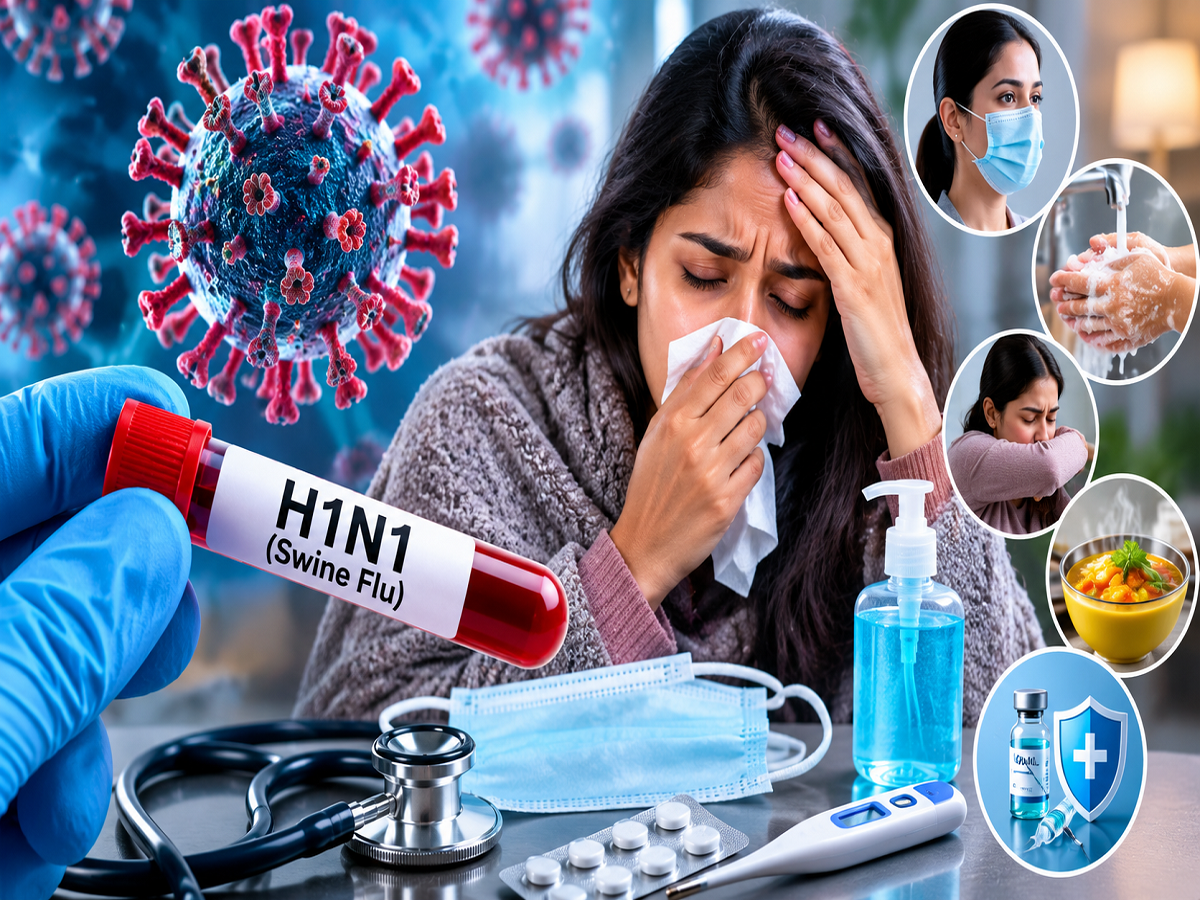
Swine Flu Symptoms and Prevention: Cases of influenza-like illness are drawing attention during the rainy and humid season, when cough, fever, sore throat and congestion are already common. Because influenza A(H1N1) can initially look similar to an ordinary seasonal flu or viral infection, recognising warning signs and taking timely precautions is important.
H1N1 is a subtype of influenza A virus that affects the respiratory system. Most people recover with appropriate rest and medical care, but the infection can become serious in some cases, particularly among young children, older adults, pregnant women and people with certain chronic illnesses. Government guidance also lists breathing difficulty and worsening underlying disease among signs that require urgent medical attention.
Here is what you should know about the symptoms, transmission, risk factors and preventive steps associated with H1N1 influenza.
What Is H1N1 or Swine Flu?
H1N1 is an influenza A virus that can cause respiratory illness in humans. The infection spreads in much the same way as other influenza viruses, particularly through respiratory droplets and particles released when an infected person coughs, sneezes or talks.
Close contact with an infected person can increase the likelihood of transmission, especially in poorly ventilated indoor spaces.
Although the term "swine flu" is still widely used, H1N1 now circulates as part of seasonal influenza patterns.
What Are the Common Symptoms of H1N1?
The symptoms of H1N1 can resemble those of seasonal flu and often appear suddenly.
Common signs include:
- Fever or feeling feverish
- Cough
- Sore throat
- Runny or blocked nose
- Headache
- Muscle or body aches
- Chills
- Unusual tiredness or weakness
- Vomiting or diarrhoea in some patients
Government of India guidance similarly identifies fever, cough, sore throat, body ache, headache, diarrhoea and vomiting among symptoms seen in suspected influenza A(H1N1) cases.
Because these symptoms overlap with several other respiratory infections, symptoms alone cannot always confirm whether a person has H1N1.
When Should You Contact a Doctor?
Mild respiratory symptoms do not necessarily mean a person has developed severe influenza. However, medical advice becomes particularly important if symptoms are worsening, persistent or affecting someone in a high-risk category.
Warning signs that should not be ignored include shortness of breath, chest pain, unusual drowsiness, low blood pressure, bluish discoloration of the nails, blood in sputum or worsening of an existing chronic illness. Government guidance recommends immediate medical evaluation and hospital-based care for severe cases showing such signs.
Parents should also be especially attentive if a young child becomes unusually irritable or refuses feeds.
Who Faces a Higher Risk of Complications?
Anyone can catch influenza, but some people have a greater chance of developing complications.
Higher-risk groups include children younger than five, adults aged 65 or above, pregnant women and people with chronic medical conditions. Indian public-health guidance specifically mentions conditions affecting the lungs, heart, liver and kidneys, as well as diabetes, neurological disorders, cancer and HIV/AIDS.
People in these groups should seek medical advice promptly if they develop flu-like symptoms rather than waiting for the illness to become severe.
How Can You Reduce the Risk of H1N1 Infection?
Basic respiratory hygiene can substantially reduce the spread of influenza viruses.
Wash your hands frequently with soap and water, particularly after coughing, sneezing or touching commonly used surfaces. Avoid repeatedly touching your eyes, nose and mouth with unwashed hands.
When coughing or sneezing, use a tissue and dispose of it safely. If a tissue is unavailable, cough or sneeze into your elbow rather than your hands.
Keeping indoor areas well ventilated can also help reduce exposure to respiratory viruses.
People who become ill should stay away from work, school and crowded public spaces as much as possible so they do not transmit the infection to others. Public-health guidance also recommends limiting contact with vulnerable members of the household while sick.
Should You Wear a Mask?
A well-fitting mask can be useful when someone with flu-like symptoms needs to be around other people, especially indoors.
Masks are particularly relevant when caring for an ill family member or when close contact cannot be avoided.
However, wearing a mask should be combined with hand hygiene, cough etiquette and sensible distancing from people who are unwell rather than being treated as the only preventive measure.
Does the Flu Vaccine Help?
Seasonal influenza vaccination is an important preventive measure, especially for people who are at increased risk of complications.
The exact vaccine recommendations can vary according to age, health status and local public-health guidance, so people with chronic illnesses, older adults, pregnant women and parents of young children may want to discuss vaccination with their doctor.
Vaccination does not guarantee that a person will never develop influenza, but it can reduce the risk of infection and serious complications.
Avoid Self-Medicating With Antivirals
People with flu-like symptoms should not start antiviral medicines on their own.
Government guidance notes that medicines such as oseltamivir may be recommended for particular patients depending on disease severity and risk factors. In severe or hospitalised influenza cases, antiviral treatment is generally most useful when started as early as possible under medical supervision.
Antibiotics are also not a routine treatment for influenza because influenza is caused by a virus. They should only be used when prescribed for an appropriate bacterial infection.
What to Do If You Develop Flu-Like Symptoms
If you develop fever, cough, sore throat or body aches, monitor your symptoms carefully and avoid unnecessary close contact with others.
Rest, drink adequate fluids and follow your doctor's advice. If you belong to a high-risk group, contact a healthcare professional early rather than relying only on home remedies.
Seek urgent medical attention if you develop breathing difficulty, chest pain, confusion, severe weakness or other signs of deterioration.
The Bottom Line
H1N1 influenza can initially look like an ordinary seasonal viral illness, which is why symptoms should not be dismissed when they become severe or continue to worsen.
Frequent handwashing, respiratory hygiene, staying home when sick, using a mask when appropriate and discussing seasonal influenza vaccination with a healthcare professional can help reduce the risk of transmission and serious illness.
Most importantly, people at higher risk of complications should seek medical guidance promptly if they develop flu-like symptoms.
Disclaimer: This article is intended for general health awareness and is not a substitute for diagnosis or treatment by a qualified healthcare professional. Anyone experiencing severe symptoms, breathing difficulty or rapid deterioration should seek medical care promptly.