Concerns over swine flu are rising again as H1N1 infections are being reported from Delhi-NCR and several other parts of the country. The respiratory illness can affect people of all ages, but older adults, young children, pregnant women and people with certain chronic health conditions face a greater risk of developing serious complications.
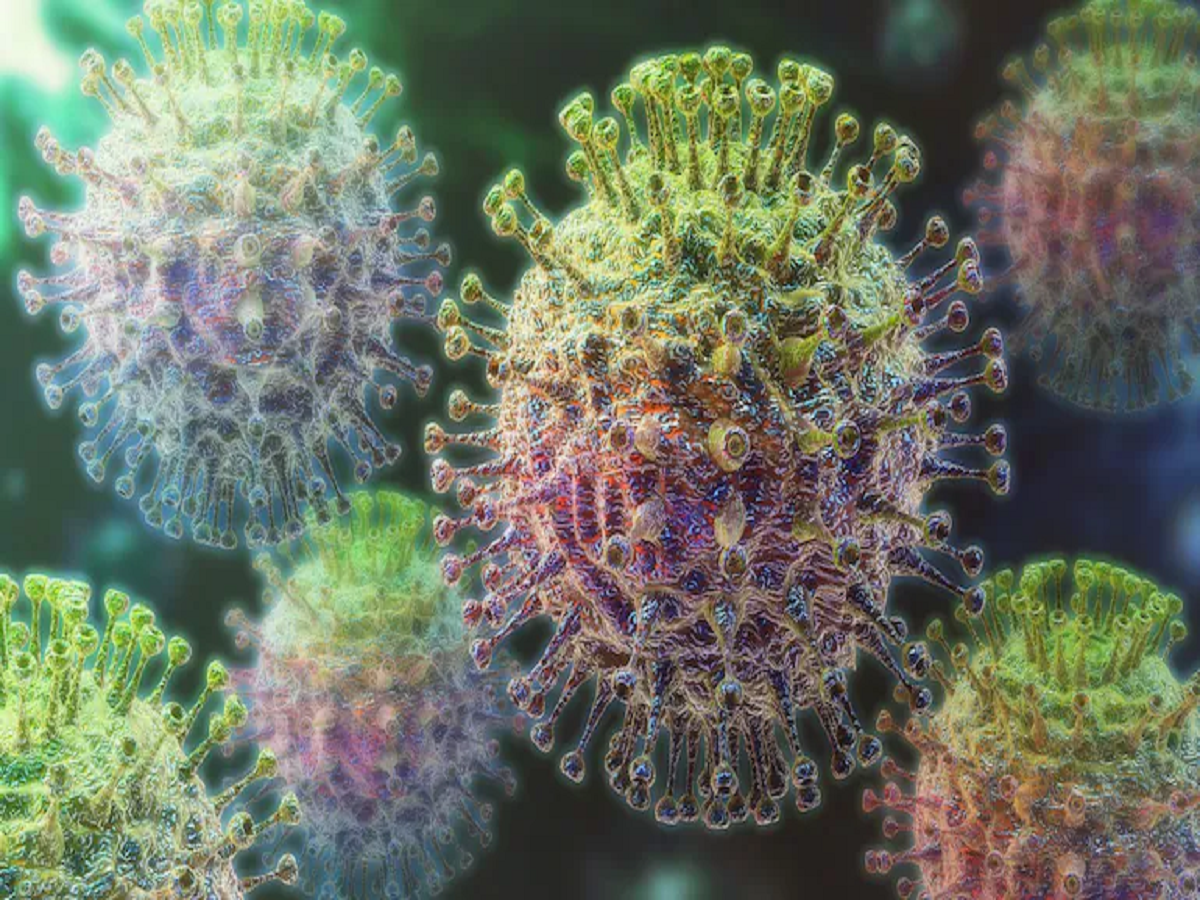
H1N1 is a subtype of the influenza A virus. The strain associated with the 2009 global pandemic, known as A(H1N1)pdm09, now circulates as one of the seasonal influenza viruses.
Reports have pointed to a rise in H1N1 cases in Delhi-NCR this year. The source article cites 1,777 cases during the July-August 2026 period compared with 229 during the corresponding period in 2025. Such outbreak figures can change as surveillance data is updated, so readers should rely on the latest information from health authorities for current case numbers.
Meanwhile, the death of a 62-year-old woman from Ujjain who had tested positive for H1N1 has also drawn attention to the illness. Health officials are investigating the case to establish the precise cause of death.
Ujjain Woman's Death Under Investigation
The woman was reportedly receiving treatment at a private hospital in Indore after testing positive for H1N1. She returned home on August 18 against medical advice and died in Ujjain the following day.
The Madhya Pradesh health department subsequently initiated an inquiry and sought details from the hospital. An expert team is expected to examine her treatment records and health condition before reaching a conclusion.
A positive H1N1 test by itself does not necessarily establish that influenza was the sole cause of death. People may have underlying illnesses or develop multiple complications, making a proper medical investigation necessary.
What Exactly Is H1N1 Swine Flu?
H1N1 is a respiratory infection caused by an influenza A virus.
It mainly affects the nose, throat and lungs. Like other seasonal flu viruses, it can spread from one person to another through respiratory particles released when an infected person coughs, sneezes, talks or breathes.
People can also become infected after coming into close contact with contaminated respiratory secretions and then touching their mouth, nose or eyes.
For most people, the illness resembles seasonal influenza and improves without serious complications. In a smaller number of cases, however, the infection can become severe and affect the lungs.
Common Symptoms of H1N1
Symptoms can appear relatively suddenly and are often difficult to distinguish from other forms of influenza without medical testing.
Common signs include fever, dry cough, sore throat, runny or blocked nose, headache, tiredness, chills and body aches.
Some patients may also experience nausea, vomiting or diarrhoea.
Not every infected person develops the same symptoms, and the severity can vary considerably. This is why people in high-risk categories should seek medical advice early rather than waiting for symptoms to become severe.
How Long Does Swine Flu Usually Last?
Many people with uncomplicated influenza begin to recover within about a week, although tiredness and coughing may continue for longer.
There is no fixed timeline that applies to every patient. Recovery depends on factors such as age, immunity, underlying health conditions and whether complications develop.
In high-risk patients, symptoms can progress rapidly. A person who initially appears to have an ordinary flu can develop breathing problems or pneumonia and may require hospital care.
H1N1 Can Lead to Pneumonia
One of the major complications associated with severe influenza is pneumonia.
When infection significantly affects the lungs, inflammation can interfere with the body's ability to receive enough oxygen. Patients may develop shortness of breath, low oxygen levels and worsening respiratory distress.
Severe cases can require hospitalisation, supplemental oxygen and, in critical situations, ventilatory support.
Another concern is secondary bacterial pneumonia. Sometimes a patient's fever and cough initially improve but then return or become worse. A sudden deterioration after apparent recovery should not be ignored.
Who Faces the Highest Risk From H1N1?
Although severe influenza can occur in anyone, certain groups have a greater chance of complications.
These include adults aged 65 years and above, children below five, pregnant women and people living with chronic respiratory disorders such as asthma or other lung diseases.
People with heart disease, kidney or liver disorders, diabetes and some neurological conditions may also face increased risk.
The risk can be higher for cancer patients, people undergoing chemotherapy, individuals with weakened immune systems and those living with multiple chronic illnesses.
Such individuals should contact a healthcare professional promptly if flu symptoms develop.
Warning Signs That Need Medical Attention
Most mild influenza infections can be managed with medical guidance, rest and adequate fluids, but certain symptoms require urgent evaluation.
Difficulty breathing, persistent chest or abdominal pain, severe dizziness, confusion, seizures, extreme weakness and markedly reduced urination can indicate a more serious illness.
People should also seek medical advice if fever or cough returns after improving, particularly if breathing symptoms are getting worse.
Parents should monitor young children carefully because they may not always be able to clearly describe breathing difficulty or other symptoms.
Can Antiviral Medicines Help?
Doctors may prescribe antiviral medicines for influenza, especially to people who are at higher risk of complications or those with severe disease.
These medicines generally provide the greatest benefit when started early in the course of illness, but treatment decisions depend on the patient's condition and should be made by a medical professional.
People should not self-medicate with antiviral drugs or antibiotics. Antibiotics do not treat influenza viruses and are used only when doctors suspect or diagnose a bacterial infection.
How to Reduce the Risk of H1N1 Infection
Routine influenza prevention measures can significantly reduce transmission.
Annual influenza vaccination is an important preventive measure, particularly for people at higher risk. Hand hygiene, covering the mouth and nose while coughing or sneezing and avoiding close contact with people who are unwell can also help.
People experiencing flu-like symptoms should limit close contact with others, especially elderly relatives, young children and individuals with weakened immunity.
Masks may also help reduce respiratory spread in appropriate situations, particularly when a symptomatic person needs to be around others.
Don't Ignore Worsening Flu Symptoms
H1N1 is now part of seasonal influenza circulation, and most infections do not become life-threatening. However, the virus can cause serious respiratory illness in vulnerable individuals.
With reports of increased infections in Delhi-NCR and other regions, people should pay particular attention to worsening fever, breathing difficulty, chest discomfort and symptoms that return after initially improving.
Early medical assessment is especially important for older adults, pregnant women, young children and people with chronic illnesses or weakened immunity.
Disclaimer: This article is for general health awareness only and is not a substitute for professional medical advice, diagnosis or treatment. Anyone experiencing severe or worsening symptoms should seek medical care promptly.