Business
Gold Jewellery Exchange 2026: Six Important Checks Before Trading Old Gold for New Ornaments
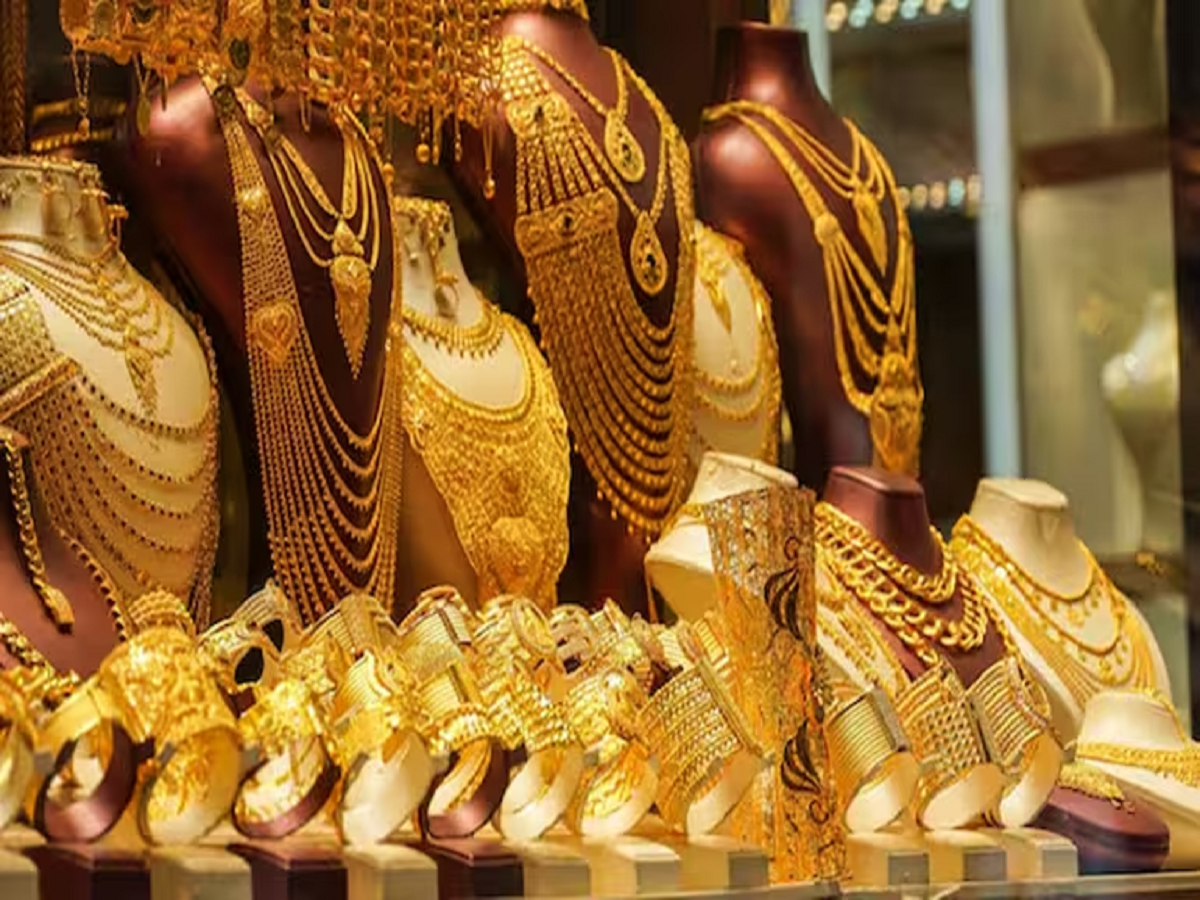
Gold Exchange Tips 2026: Planning to exchange your old gold jewellery for a new necklace, ring, bracelet or earrings during the festive season? Before visiting a jewellery showroom, it is important to understand how the value of old gold is calculated. Gold purity, actual metal weight, prevailing rates and exchange-related deductions can significantly affect the amount offered by a jeweller.
Many buyers assume that exchanging old ornaments automatically makes new jewellery cheaper. However, the final cost depends on several factors, including making charges, taxes, stones and the exchange policy of the jewellery store.
Whether you are exchanging inherited ornaments or jewellery purchased several years ago, checking a few essential details can help you make a more informed decision.
Why Should You Be Careful When Exchanging Old Gold?
Gold jewellery is often purchased for weddings, festivals and family celebrations. Over time, designs may become outdated, prompting owners to exchange older ornaments for contemporary styles.
Most jewellery stores offer some form of gold exchange facility, but their valuation policies can differ.
A jeweller may evaluate the purity and weight of the metal before calculating its exchange value. Certain stores may also apply deductions for testing, refining or other services.
Additionally, ornaments containing gemstones, pearls or decorative materials may have a lower recoverable gold weight than their total weight.
Understanding these factors can help customers avoid unexpected differences between the estimated and final exchange amounts.
1. Verify Gold Purity Before Accepting an Exchange Offer
The purity of gold is one of the most important factors determining its value.
Gold jewellery is commonly available in different purity grades, including 22 karat, 18 karat and 14 karat.
A 22-karat ornament contains a higher proportion of gold than an 18-karat ornament of the same weight.
Therefore, the exchange value of two ornaments weighing 20 grams may differ considerably if their purity levels are different.
Customers should request a purity assessment before agreeing to the exchange.
Where possible, ask the jeweller to conduct the test in your presence and explain the results.
How to Check BIS Hallmark and HUID
For hallmarked jewellery carrying a Hallmark Unique Identification (HUID) number, customers can use the BIS Care application to verify the hallmark details.
The HUID verification facility can help check information associated with the marked jewellery.
However, older jewellery may not carry a six-character HUID, and the absence of one does not automatically mean the ornament is counterfeit.
For valuable ornaments or disputed purity assessments, an independent assessment through a recognised assaying and hallmarking facility may be useful.
2. Check the Actual Gold Weight, Not Just the Total Jewellery Weight
A common mistake during gold exchange is assuming that the total weight of an ornament represents its gold content.
Many jewellery items contain additional materials, including gemstones, pearls, enamel or other decorative components.
These materials may contribute to the ornament's total weight but are not valued at the gold rate.
For example, a necklace weighing 30 grams may contain stones and other materials that reduce its actual gold weight.
Customers should ask the jeweller to clearly explain the following measurements:
- Total weight of the ornament
- Weight of stones and other non-gold materials
- Net weight of the gold being valued
- Purity used for the exchange calculation
A transparent weight assessment helps customers understand how the final offer has been determined.
3. Compare the Correct Gold Rate Before Exchanging Jewellery
Gold prices fluctuate according to domestic and international market conditions.
However, the rate used for buying new jewellery may not be identical to the rate offered when exchanging old ornaments.
Jewellers may have different buying, selling and exchange policies.
Customers should compare the exchange rate with the prevailing market rate for the correct purity.
For example, comparing the exchange value of 22-karat jewellery directly with the advertised price of 24-karat gold can lead to misleading conclusions.
Difference Between 22K and 24K Gold
| Gold Purity | Approximate Gold Content | Common Use |
|---|---|---|
| 24K | 99.9% | Investment-grade gold products |
| 22K | 91.6% | Traditional gold jewellery |
| 18K | 75.0% | Jewellery, including stone-set designs |
| 14K | 58.5% | Selected jewellery designs |
These purity percentages help explain why different types of jewellery may receive different valuations.
The actual exchange amount also depends on the jeweller's quoted rate and any applicable deductions.
4. Ask About Melting, Refining and Testing Deductions
Some jewellery stores apply deductions when accepting old ornaments.
These may relate to purity testing, refining, melting or the recovery of usable gold.
The deduction method can vary according to the jeweller's policy and the condition of the jewellery.
Before agreeing to an exchange, ask whether any deduction applies and how it is calculated.
For example, a deduction could be expressed as a percentage of the assessed gold value or as a separate charge.
Customers should request a written calculation rather than accepting an unexplained deduction described only as a standard industry practice.
It is also advisable to compare offers from more than one jeweller when exchanging valuable ornaments.
5. Calculate the Full Cost of the New Jewellery
Receiving a competitive exchange value does not necessarily mean the overall transaction is economical.
The price of new jewellery may include several components beyond the value of the gold itself.
These can include making charges, wastage-related charges where applicable, gemstone costs and GST.
Some jewellers advertise reduced making charges or special festive exchange benefits, but the final bill should be examined carefully.
Example: Understanding the Exchange Calculation
Consider the following hypothetical transaction:
| Particulars | Illustrative Amount |
|---|---|
| Assessed exchange value of old gold | ₹1,50,000 |
| Gold value of new jewellery | ₹1,80,000 |
| Making charges | ₹15,000 |
| Other applicable charges and taxes | ₹6,000 |
| Total new jewellery bill | ₹2,01,000 |
| Less old gold exchange credit | ₹1,50,000 |
| Additional amount payable | ₹51,000 |
This example is for illustration only. Actual taxes, billing treatment, exchange credits and charges depend on the transaction and applicable rules.
The example shows why customers should compare the complete invoice instead of focusing only on the exchange rate.
6. Understand the Jewellery Store's Exchange Policy
Every jewellery retailer may follow different conditions for accepting old gold.
Some stores accept ornaments purchased from other retailers, while others offer preferential exchange benefits for jewellery originally purchased from their own outlets.
Certain promotional offers may also exclude specific designs, gemstones or jewellery categories.
Before completing the transaction, check whether the store accepts outside jewellery, how purity is assessed and whether any special deductions apply.
Customers should also confirm whether the exchange credit can be used for all jewellery products or only selected items.
Why Keeping the Original Jewellery Bill Matters
An original purchase invoice can be useful when exchanging old ornaments.
It may contain details about the jewellery's weight, purity, price and other specifications.
Although a bill does not replace a current purity assessment, it can help clarify the original purchase details.
Customers should also obtain a proper invoice for the new jewellery.
Where applicable, the exchange documentation should clearly record the assessed weight, purity, valuation and amount credited against the new purchase.
These records may be helpful in the event of a billing disagreement or future exchange.
Should You Exchange Old Gold or Sell It Separately?
Exchanging jewellery and selling it for cash are two different transactions.
An exchange may be convenient when the customer intends to purchase new ornaments from the same retailer.
However, selling old gold separately and purchasing new jewellery elsewhere may sometimes produce a different financial outcome.
The better option depends on the price offered for the old gold, the cost of the new jewellery and the charges associated with both transactions.
Customers can compare written quotations before making a final decision.
What Should You Do If You Disagree With the Gold Valuation?
If a jeweller offers a significantly lower valuation than expected, ask for an explanation of the purity assessment, weight calculation and deductions.
You may seek an independent assessment before proceeding.
Avoid allowing irreversible melting or alteration of valuable jewellery until you understand and agree to the applicable terms.
If there is a dispute involving misleading information, billing or other consumer issues, customers can explore the appropriate consumer grievance channels.
The National Consumer Helpline provides information about consumer complaint assistance through its official portal.
Final Checklist Before Exchanging Old Gold
Before handing over your jewellery, make sure you have checked the purity, net gold weight, applicable exchange rate and all proposed deductions.
Also review the new ornament's making charges, gemstone value, GST and final payable amount.
Comparing quotations and retaining proper documentation can help prevent misunderstandings.
Conclusion
Exchanging old gold jewellery for new designs can be a convenient way to reduce the amount of fresh money required for a purchase.
However, customers should not assume that the exchange value will automatically equal the prevailing retail gold price.
The actual amount depends on purity, recoverable gold weight, the retailer's exchange rate and any applicable deductions.
By checking these six important factors and reviewing the complete transaction, buyers can make better-informed decisions and reduce the risk of unexpected charges.