Health
5 Ayurvedic Drinks to Try During Flu Season: Simple Options to Support Nutrition and Hydration
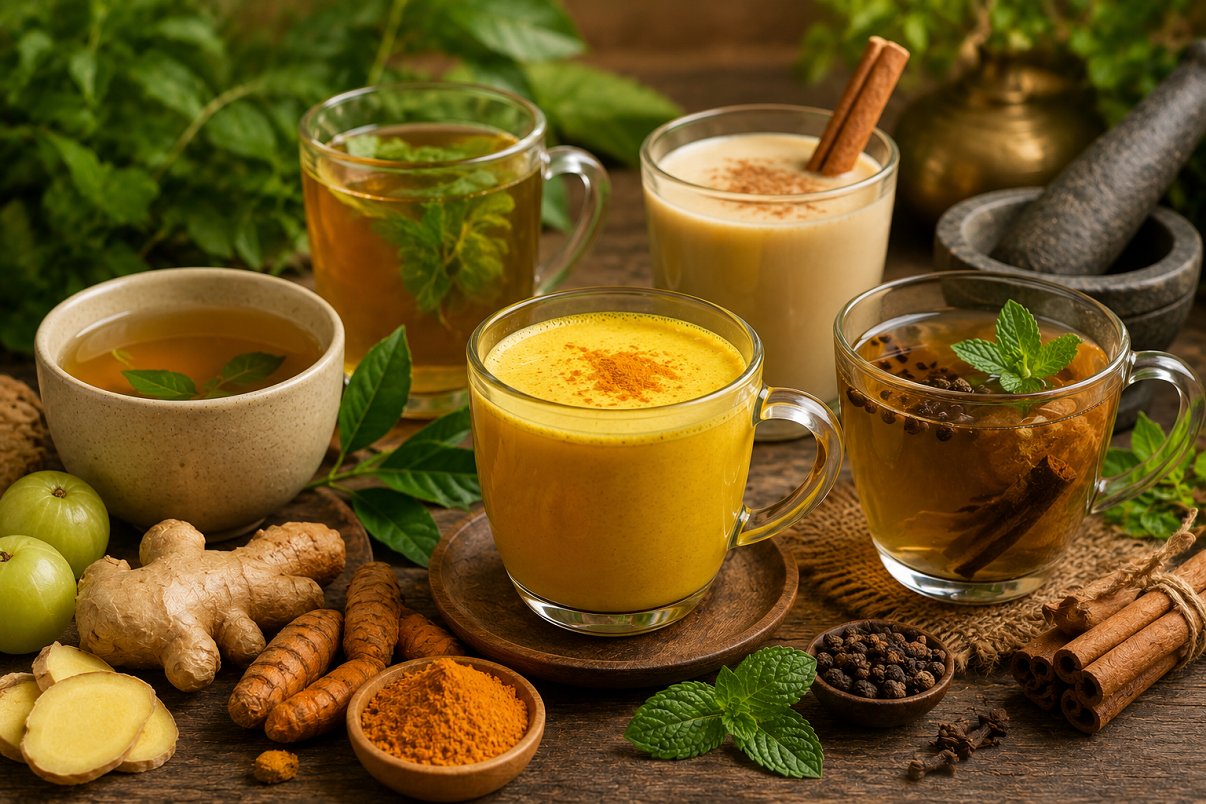
As the weather changes, complaints such as a runny nose, sore throat, cough and seasonal viral infections often become more common. During this period, many people turn to traditional drinks made with ingredients such as amla, tulsi, ginger and lemon.
These beverages can add fluids and useful nutrients to your daily diet. However, it is important to understand that no juice or herbal drink can guarantee protection against influenza or cure a viral infection. Good nutrition, adequate sleep, hygiene and appropriate medical care remain important.
Here are five traditional Ayurvedic-inspired drinks that can be considered during flu season.
1. Amla Juice
Amla, also known as Indian gooseberry, is widely used in traditional Indian diets and Ayurveda. One of its notable nutritional features is its vitamin C content, along with naturally occurring plant compounds with antioxidant properties.
A small quantity of amla juice can be diluted with water and consumed as part of a balanced diet.
Because amla has a naturally sharp and sour taste, some packaged drinks contain significant amounts of added sugar. Checking the label or choosing an unsweetened version can therefore be a better option.
People who frequently experience acidity or digestive discomfort may want to start with a small amount or seek professional dietary advice.
2. Giloy Juice
Giloy, or Tinospora cordifolia, has a long history of use in traditional Ayurvedic preparations. It is commonly promoted as an immunity-supporting herb, particularly during seasonal changes.
However, claims surrounding giloy should be approached carefully. Giloy juice should not be considered a treatment for influenza or a guaranteed way to prevent viral infections.
Safety is another important consideration. Herbal products can have biological effects and may interact with medicines or existing health conditions.
People with liver-related conditions, autoimmune disorders or those taking regular medication should consult a qualified healthcare professional before consuming giloy products. Pregnant or breastfeeding women should also seek medical advice before using herbal supplements.
3. Tulsi and Ginger Drink
A warm drink prepared with tulsi and ginger is one of the most familiar home beverages during India's colder and rainy seasons.
Ginger provides a distinctive warming flavour, while a warm drink itself may feel soothing when the throat is irritated.
To prepare it, boil a few clean tulsi leaves and a small piece of crushed or sliced ginger in water. Allow the drink to cool to a comfortable temperature before consuming it.
A little honey can be added for taste if desired, but excessive sweeteners should be avoided.
Importantly, honey should never be given to children under one year of age because of the risk of infant botulism.
4. Carrot and Beetroot Juice
Carrots and beetroot can provide several useful nutrients and plant compounds.
Carrots are particularly known for beta-carotene, which the body can convert into vitamin A. Beetroot provides nutrients including folate and potassium, along with naturally occurring plant pigments.
A freshly prepared carrot-beetroot juice can therefore add variety to the diet.
However, juice should not completely replace whole fruits and vegetables. Juicing generally removes or reduces much of the fibre found in the whole food.
For everyday nutrition, eating whole carrots, beetroot and other vegetables alongside occasional fresh juice may provide a better balance.
5. Lemon and Amla Drink
Combining lemon and amla with water creates a refreshing drink that can contribute vitamin C and fluids to the diet.
You can prepare it by diluting a small amount of fresh amla juice in water and adding lemon juice according to taste.
There is usually no need to add large quantities of sugar. If sweetness is preferred, keep the amount modest.
Because both lemon and amla are acidic, people who experience frequent heartburn, acid reflux or stomach irritation may find that large quantities worsen their symptoms.
Can These Drinks Really Boost Immunity?
The immune system is complex, and no individual juice, herb or food can simply "boost" it enough to prevent every infection.
Nutrients such as vitamins A, C and D, protein, zinc and several other micronutrients are involved in normal immune function. The best way to obtain them is generally through a varied and balanced diet rather than relying heavily on one ingredient.
Therefore, these drinks are better viewed as optional additions to a nutritious diet, not as medicines.
What Else Should You Do During Flu Season?
Diet is only one part of staying healthy during periods when respiratory infections are circulating.
Adequate sleep, regular meals, sufficient fluid intake and good hand hygiene are useful everyday habits. Avoiding close contact with people who are unwell when practical can also reduce exposure to respiratory infections.
Vaccination can also play an important role in protection against seasonal influenza, particularly for people at higher risk of complications. A healthcare professional can advise whether and when a flu vaccine is appropriate.
Don't Ignore Persistent Flu-Like Symptoms
Home drinks may make you feel more comfortable, but they should not delay appropriate medical care.
Seek medical advice if symptoms are severe, continue to worsen or fail to improve. Difficulty breathing, chest pain, confusion, severe weakness or signs of dehydration require prompt medical attention.
Children, older adults, pregnant women and people with chronic medical conditions may also need earlier assessment if they develop significant flu-like symptoms.
Bottom Line
Amla juice, tulsi-ginger drinks, carrot-beetroot juice and lemon-amla water can provide fluids and useful nutrients during seasonal changes. Giloy is also traditionally used, but it requires greater caution because herbal preparations may not be suitable for everyone.
Instead of treating these drinks as a cure for influenza, use them as part of a broader healthy routine that includes balanced meals, adequate hydration, sufficient sleep, hygiene and timely medical care when needed.
Disclaimer: This article is intended for general informational purposes only and does not constitute medical advice. Herbal remedies are not substitutes for diagnosis or treatment. Consult a qualified healthcare professional before using herbal products if you have an existing medical condition, take regular medication, are pregnant or breastfeeding.