Health
Protein-Rich Nuts: Skip Expensive Cashews and Almonds, This Budget-Friendly Option Packs More Protein
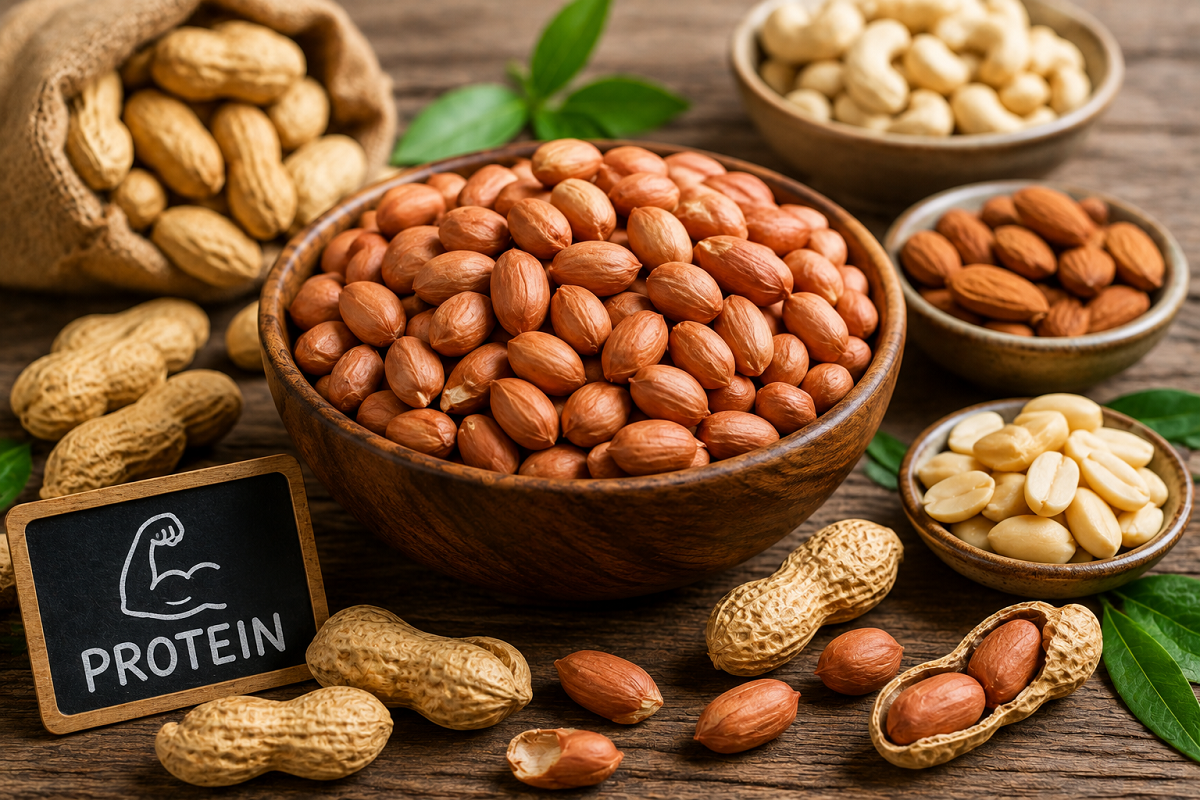
If you are looking for protein-rich foods, you do not necessarily need to spend heavily on cashews, almonds or pistachios. One of the most affordable options is probably already available in your kitchen — peanuts.
Despite their low price, peanuts are nutritionally dense. Around 100 grams of peanuts can provide approximately 25–26 grams of protein, making them a useful plant-based protein source. They also provide healthy fats, fibre and several important vitamins and minerals.
However, nuts are calorie-dense, so portion size matters. They are best used as one component of a balanced diet rather than the primary source of daily protein.
Why Are Nuts Useful for Adding Protein to Your Diet?
Protein plays several essential roles in the body. It contributes to muscle growth and repair and is also required for enzymes, hormones, tissues and numerous other biological processes.
Foods such as pulses, beans, dairy products, paneer, tofu, soy and eggs are commonly used to meet daily protein requirements. Nuts and seeds can provide additional protein while also supplying unsaturated fats, fibre and micronutrients.
The amount of protein varies considerably between different nuts. This is where peanuts can offer a notable advantage, particularly for people looking for an economical option.
Peanuts Can Provide Around 25–26 Grams of Protein
Peanuts are technically legumes rather than tree nuts, but nutritionally and in everyday diets they are commonly grouped alongside nuts.
Approximately 100 grams of peanuts can contain around 25–26 grams of protein. The exact figure can vary depending on the variety and whether the peanuts are raw, roasted or processed.
Apart from protein, peanuts can provide nutrients including magnesium, phosphorus, potassium, vitamin E, niacin and dietary fibre.
Their combination of protein, fats and fibre can also make peanuts a filling snack.
For a healthier everyday option, consider plain or dry-roasted peanuts instead of heavily salted, fried or sugar-coated varieties.
Dried Apricots Provide Protein Too, But Much Less
When discussing traditional dried fruits rather than nuts, dried apricots can also contribute some protein.
Around 100 grams of dried apricots may provide roughly 3–5 grams of protein, depending on the product and nutritional database used.
Although this is considerably lower than peanuts, dried apricots provide other nutrients, including fibre, potassium and carotenoids such as beta-carotene.
They can therefore be included in a varied diet, but they should not be considered a major protein source.
Because dried fruits contain concentrated natural sugars and calories, portion control is also important.
Peanuts vs Almonds, Pistachios and Cashews: Which Has More Protein?
Here's an approximate comparison of the protein content found in 100 grams of commonly consumed nuts:
| Food | Approx. Protein per 100g |
|---|---|
| Peanuts | 25–26g |
| Almonds | 21g |
| Pistachios | 20g |
| Cashews | 18g |
| Walnuts | 15g |
| Dried apricots | 3–5g |
The figures can vary slightly depending on the variety, brand and preparation method.
From a protein-per-100-gram perspective, peanuts can provide more protein than several commonly consumed tree nuts. Their comparatively low cost makes them particularly attractive for budget-conscious diets.
But Eating 100 Grams of Peanuts Daily May Not Be Ideal
Although 100 grams is useful for nutritional comparisons, it should not automatically be treated as a recommended daily serving.
Peanuts are energy-dense because they contain substantial amounts of fat. Eating 100 grams can provide well over 500 calories, depending on the product.
A smaller portion, such as a handful, can therefore be a more practical snack for many people.
You can also combine peanuts with other protein-rich foods rather than relying on large quantities of nuts to meet your daily requirement.
Easy Ways to Add Peanuts to Your Diet
Plain peanuts are extremely versatile. They can be eaten roasted as a snack, added to poha or salads, used in chutneys, mixed into homemade trail mixes or consumed as peanut butter.
When choosing packaged peanut butter, checking the ingredient list can help. Products containing mostly peanuts and little or no added sugar or hydrogenated fats may be preferable for regular consumption.
Pairing peanuts with foods such as pulses, whole grains, dairy or soy products can also help create a more varied diet.
Don't Depend Only on Nuts for Protein
Even though peanuts contain a considerable amount of protein, a healthy diet should ideally contain multiple protein sources.
Depending on dietary preferences, options can include lentils, chickpeas, rajma, soybeans, tofu, paneer, milk, curd, eggs, fish, chicken and other protein-rich foods.
Combining different foods also provides a broader range of essential amino acids, vitamins and minerals.
Individual protein requirements differ according to factors such as body weight, age, physical activity, pregnancy and overall health.
Who Should Be Careful With Peanuts?
Peanuts are not suitable for everyone. People with a peanut allergy must avoid peanuts and peanut-containing foods, as allergic reactions can sometimes be severe.
People following calorie-restricted diets should also pay attention to portions because nuts are calorie-dense.
Salted peanuts can significantly increase sodium intake, so unsalted or lightly salted versions may be preferable for frequent consumption.
Bottom Line
Expensive almonds, cashews and pistachios are nutritious, but they are not the only choices for adding protein to your diet. Peanuts provide roughly 25–26 grams of protein per 100 grams, putting them ahead of many popular nuts on a weight-for-weight basis.
Their affordability and availability make peanuts a practical option, but portion control remains important. For the best nutritional balance, combine them with pulses, dairy, soy, whole grains or other protein sources rather than relying on peanuts alone.
Disclaimer: This article is for general informational purposes only and should not be considered medical or personalised nutritional advice. People with food allergies, chronic medical conditions or special dietary requirements should consult an appropriate healthcare professional.