
Health
Cardamom Health Benefits: From Digestion to Fresh Breath, Here’s What Elaichi May Do for Your Body
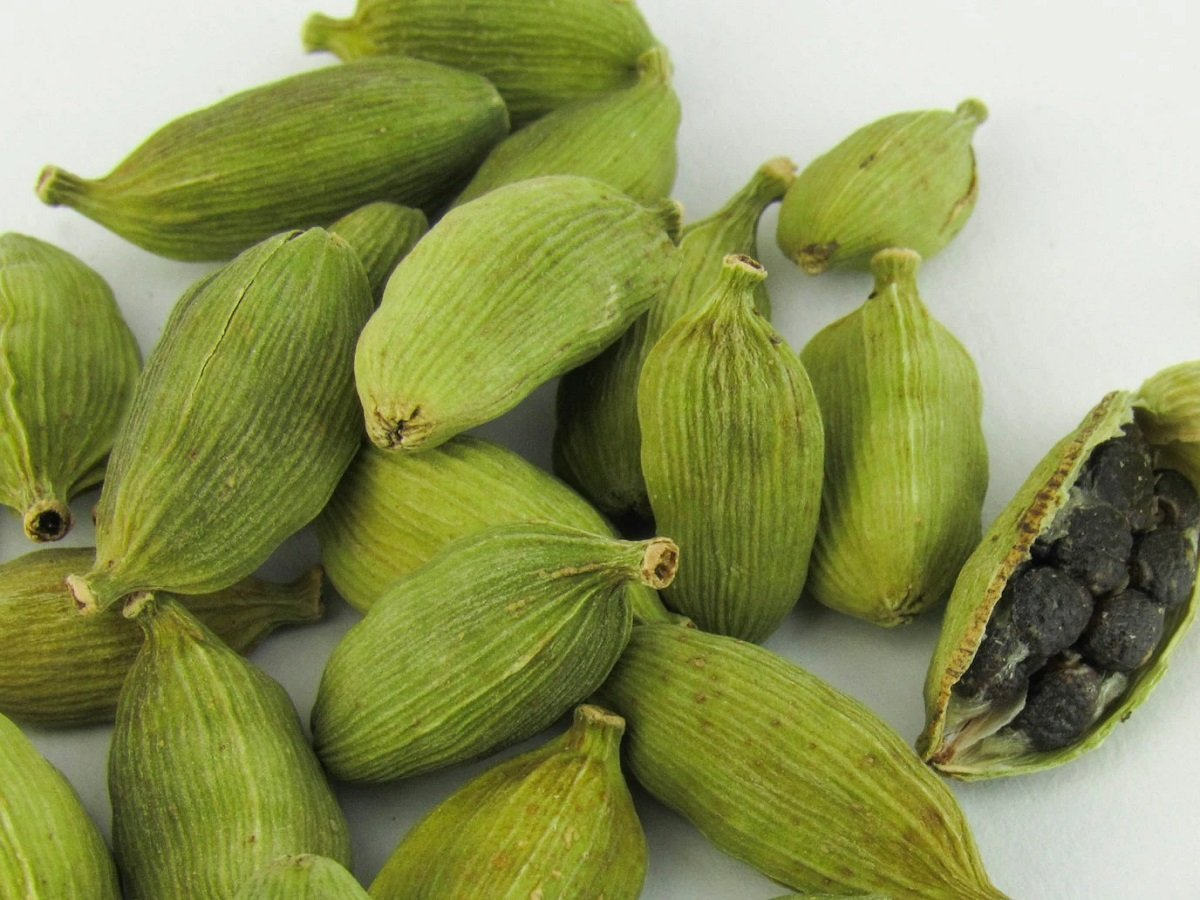
Cardamom, commonly known as elaichi, is one of the most widely used spices in Indian kitchens. Whether added to tea, sweets, kheer or traditional dishes, its distinctive aroma can instantly enhance flavour. But cardamom is valued for more than its taste.
Green cardamom contains aromatic oils and several plant compounds with antioxidant properties. Research has explored its possible effects on digestion, oral health, inflammation and blood pressure. However, cardamom should be considered part of a healthy diet rather than a treatment for any medical condition.
Cardamom May Support Digestion
Cardamom has traditionally been consumed after meals to aid digestion and freshen the mouth.
Its aromatic compounds may stimulate digestive processes, while some people find that cardamom helps relieve feelings of heaviness after eating.
It is often used as a home remedy for gas, bloating and indigestion. However, evidence supporting cardamom as a treatment for digestive disorders remains limited. Persistent acidity, abdominal pain or bloating should not simply be treated with spices without identifying the underlying cause.
Can It Help With Gas and Bloating?
Chewing cardamom after meals is a common practice in many Indian households.
The spice contains essential oils that may have carminative properties, which could potentially help with digestive discomfort and gas. Drinking cardamom-infused tea is another popular way of consuming it.
There is no established medical rule, however, that everyone needs to eat exactly two cardamom pods every day or that consuming them at a particular time of day produces special benefits.
May Help Freshen Breath
One of cardamom's simplest benefits is its ability to freshen the mouth.
Chewing a green cardamom pod leaves behind a strong, pleasant aroma that can temporarily reduce unpleasant breath after meals.
Laboratory research has also examined antimicrobial compounds present in cardamom. However, chewing cardamom cannot replace brushing twice daily, flossing and regular dental check-ups.
Persistent bad breath can sometimes indicate dental or other health problems and should be evaluated if it continues.
Cardamom Contains Antioxidants
Cardamom contains various naturally occurring plant compounds with antioxidant activity.
Antioxidants help protect cells against oxidative damage. This is one reason spices, herbs, fruits and vegetables are considered valuable components of a varied diet.
However, eating cardamom alone cannot "detox" the body or prevent disease. Its benefits need to be considered in the context of a person's overall diet and lifestyle.
What About Blood Pressure?
Some small studies have investigated whether cardamom supplementation could influence blood pressure.
There are indications that compounds in cardamom may have antioxidant and mild diuretic effects, but the available evidence is not strong enough to recommend cardamom as a treatment for hypertension.
Anyone with high blood pressure should continue prescribed medicines and follow their doctor's advice regarding diet, physical activity and other lifestyle measures.
Replacing prescribed blood-pressure medication with cardamom or another home remedy could be dangerous.
Does Cardamom Improve Heart Health?
Cardamom is sometimes described as a "heart-healthy" spice because of its antioxidant compounds and possible effects on blood pressure.
While incorporating spices such as cardamom into a balanced diet is perfectly reasonable, cardiovascular health depends on many factors—including blood pressure, cholesterol, blood sugar, smoking, exercise, sleep and overall dietary pattern.
Therefore, eating cardamom cannot by itself protect someone against heart disease.
Is Cardamom Good for Energy?
Cardamom does not function like caffeine or an energy supplement.
Its refreshing aroma and flavour may make tea or food more enjoyable, but claims that eating cardamom at a particular time of day keeps energy levels high should be treated cautiously.
Adequate sleep, hydration, balanced meals and regular physical activity have a much greater influence on everyday energy levels.
How Can You Include Cardamom in Your Diet?
Cardamom can easily be incorporated into everyday foods and beverages. You can add a small amount to tea or milk, use powdered cardamom in desserts and porridge, include it in savoury dishes or occasionally chew a pod after meals.
Because only small quantities are normally used in cooking, there is generally no need to consume large amounts specifically for health benefits.
Who Should Be Careful?
Cardamom consumed in normal culinary quantities is generally considered safe for most people.
However, concentrated supplements or unusually large quantities are different from ordinary dietary use. People taking regular medicines, those with existing medical conditions, and pregnant or breastfeeding women should consult a healthcare professional before using concentrated herbal supplements.
The Bottom Line
Cardamom is an aromatic spice that can be a useful addition to a balanced diet. It contains antioxidant compounds and may help freshen breath and provide mild digestive comfort for some people.
But claims that eating two cardamom pods daily will reliably cure acidity, control high blood pressure or prevent heart problems go beyond the available evidence.
Enjoying elaichi in normal food quantities is a simple way to add flavour and variety to your diet—but it should complement, rather than replace, appropriate medical care.