Health
Goat Milk Benefits: Nutrition, Digestion and Immunity—What You Should Know Before Adding It to Your Diet
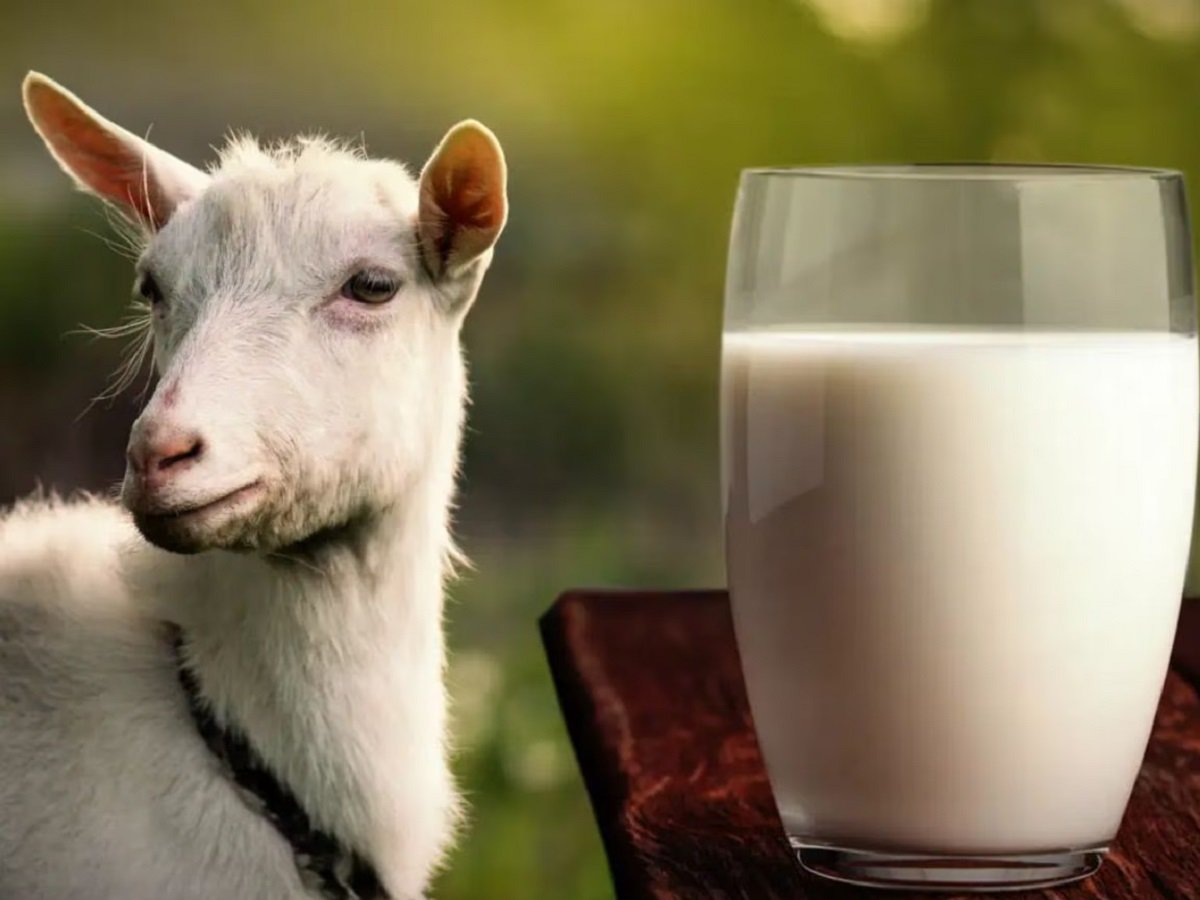
Milk is an important source of several essential nutrients, and while cow and buffalo milk are more commonly consumed in India, goat milk is also used in many households. It provides protein, calcium, phosphorus, potassium and several vitamins and minerals that contribute to a balanced diet.
Goat milk is sometimes promoted as being easier to digest and beneficial during illness. However, some health claims surrounding it are exaggerated. It can be a nutritious food, but it should not be considered a treatment for diseases such as tuberculosis (TB), chronic cough or bleeding disorders.
Here's what you should know about the potential benefits and limitations of goat milk.
Is Goat Milk Easier to Digest?
One reason some people prefer goat milk is its physical composition.
Goat milk generally forms a softer curd during digestion and contains relatively small fat globules. These characteristics may make it feel easier to digest for some people compared with certain other types of milk.
However, individual tolerance varies considerably. Someone who experiences bloating or digestive discomfort after drinking cow's milk will not necessarily tolerate goat milk better.
A Good Source of Protein
Protein is essential for maintaining muscles, repairing tissues and supporting numerous processes in the body.
Goat milk provides high-quality animal protein along with calories and fat. Therefore, when consumed as part of an overall balanced diet, it can contribute to daily protein and energy requirements.
This does not mean that drinking more goat milk will automatically increase strength or immunity.
Provides Calcium and Phosphorus
Calcium is one of the most important nutrients associated with milk.
Goat milk provides calcium and phosphorus, both of which play important roles in maintaining normal bones and teeth. Adequate calcium intake becomes particularly important during childhood and adolescence, when bones are developing, and later in life when maintaining bone health becomes increasingly important.
Vitamin D, physical activity and an overall balanced diet are also important for bone health.
Contains Important Micronutrients
Goat milk contains several vitamins and minerals, including potassium and vitamin A, along with smaller amounts of other micronutrients.
These nutrients support normal functions throughout the body. But no single food can "boost immunity" on its own. A healthy immune system depends on adequate nutrition overall, sleep, physical activity and other lifestyle and health factors.
Can Goat Milk Help During Recovery?
People recovering from an illness sometimes need foods that provide adequate calories, protein and other nutrients. Milk can be one such food if the individual tolerates it.
Goat milk may therefore be included in a recovery diet in appropriate circumstances, but its role is nutritional rather than medicinal.
Anyone recovering from a serious illness should follow the diet recommended by their doctor or qualified dietitian rather than relying on a particular food as a cure.
Goat Milk Is Not a Treatment for TB
Claims that goat milk can cure or specifically treat tuberculosis should be treated cautiously.
TB is a bacterial infectious disease that requires proper diagnosis and a complete course of prescribed anti-tuberculosis medicines. Delaying medical treatment while relying on milk, herbs or other home remedies can allow the disease to worsen and potentially spread to others.
Goat milk may be consumed as a nutritious food by someone with TB if their healthcare professional considers it suitable, but it cannot replace medical treatment.
The same caution applies to persistent cough or unexplained bleeding. Both can have multiple causes and require medical evaluation rather than treatment with goat milk alone.
What About Lactose Intolerance?
A common misconception is that goat milk is naturally lactose-free.
It isn't.
Goat milk contains lactose, so people with lactose intolerance may still experience gas, bloating, abdominal discomfort or diarrhoea after drinking it. Tolerance differs from person to person.
People with a diagnosed cow's-milk protein allergy should also not automatically switch to goat milk, because proteins in the two milks can be similar enough to trigger an allergic reaction.
Avoid Drinking Raw Goat Milk
Another important consideration is food safety.
Raw or unpasteurised milk can contain harmful microorganisms capable of causing serious infections. Pasteurised goat milk is therefore the safer choice, particularly for children, pregnant women, older adults and people with weakened immune systems.
The Bottom Line
Goat milk can certainly be part of a healthy diet. It supplies protein, calcium, phosphorus and other nutrients, and some people may find it relatively easy to digest.
But it should be viewed as food, not medicine. Claims that goat milk treats TB, chronic cough, bleeding problems or other diseases are not a substitute for evidence-based medical care.
If you enjoy goat milk and tolerate dairy products well, pasteurised goat milk can be included in your diet in moderation alongside vegetables, fruits, whole grains, pulses and other nutritious foods.