Food
Buying Cloves? Avoid These Common Mistakes and Learn How to Identify Fresh, Good-Quality Cloves
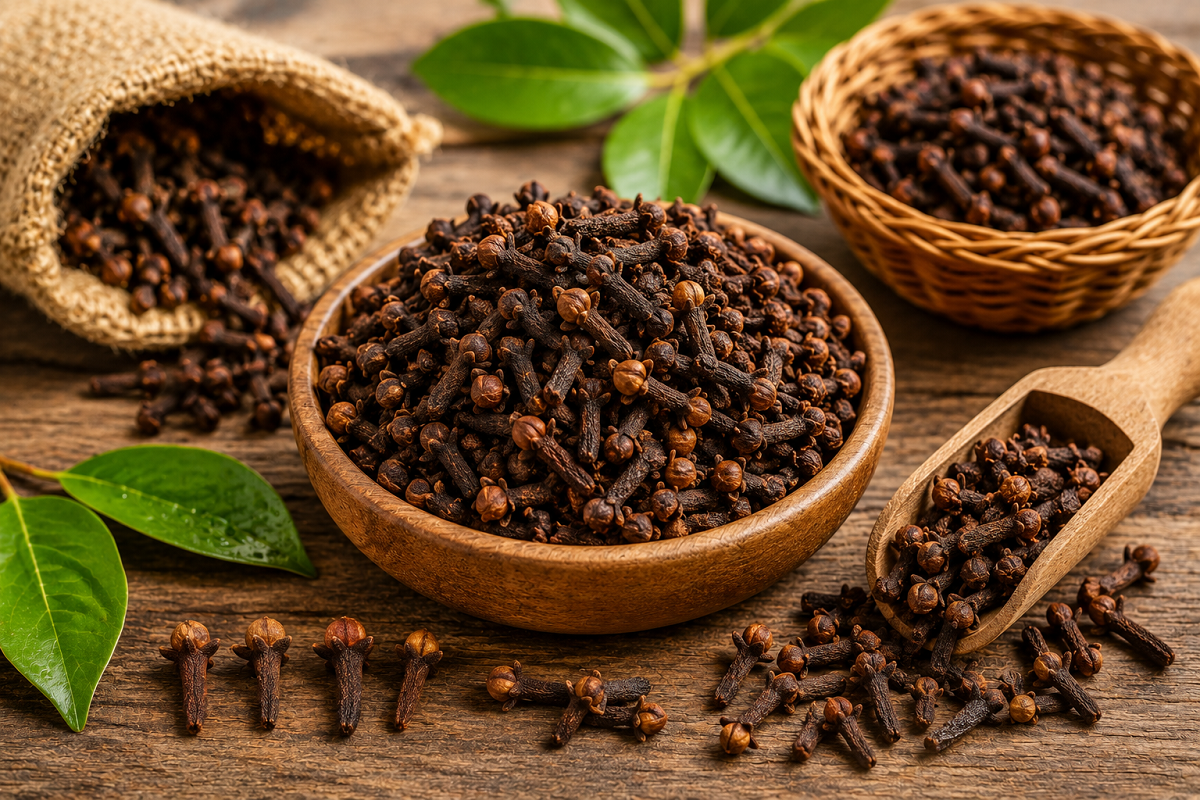
Cloves are among the most commonly used spices in Indian kitchens. From masala chai and pulao to curries, desserts and spice blends, their strong aroma can transform the flavour of a dish. However, the quality of cloves can vary significantly, especially when spices have been stored for long periods or exposed to moisture and air.
When buying cloves, looking only at their size or colour isn't enough. Aroma, appearance, texture, storage conditions and cleanliness can all provide useful clues about freshness and quality.
Here are some practical tips that can help you choose better cloves the next time you shop.
1. Check the Colour Carefully
Good-quality dried cloves generally have a deep reddish-brown to dark brown appearance. Some natural variation is normal because cloves are an agricultural product and their appearance depends on variety, processing and storage.
Be cautious if a batch looks unusually faded, dusty or excessively dull. This may indicate that the cloves have been stored for a long time or exposed to unsuitable conditions.
At the same time, colour alone cannot confirm whether cloves are fresh or authentic. It should be considered together with aroma, texture and overall condition.
2. Fresh Cloves Should Have a Strong Aroma
One of the easiest ways to assess cloves is through their distinctive smell.
Cloves naturally contain aromatic compounds, particularly eugenol, which is largely responsible for their characteristic warm and spicy fragrance.
If you are buying loose cloves, take one or two in your hand and smell them. Fresh, well-preserved cloves should generally have a noticeable aroma.
If there is almost no fragrance, the cloves may have lost some of their aromatic oils during prolonged or improper storage.
However, an extremely strong artificial or unusual smell should also be treated cautiously.
3. Examine the Shape and Texture
Whole cloves are actually dried flower buds. A typical clove has a narrow stem with a rounded or bulb-like head at one end.
When shopping, look for cloves that are mostly intact rather than a packet filled with broken stems, powder and debris.
They should feel dry but not excessively crumbly. If cloves appear damp, sticky or show visible mould, they should not be purchased or consumed.
A very high proportion of broken pieces can also make it harder to judge the overall quality of the batch.
4. Does the Water Test Really Identify Good Cloves?
A popular home test involves dropping cloves into a glass of water and observing whether they float, sink or remain upright.
The idea is that differences in natural oil content and density may affect how individual cloves behave in water.
However, this should not be treated as a definitive purity or freshness test. Floating or sinking can be influenced by several factors, so the test cannot reliably prove whether cloves are genuine, adulterated, fresh or stale.
If you try it at home, consider the result only as an additional observation. Aroma, physical appearance, cleanliness and source are more useful considerations.
5. Avoid Cloves Showing Signs of Moisture
Moisture is one of the biggest enemies of dried spices.
Cloves exposed to excessive humidity can deteriorate and may eventually develop mould. Therefore, avoid buying cloves that feel unusually damp or are stored in visibly humid conditions.
Also inspect the product for insects, webbing, mould, unusual spots or foreign material.
If you are purchasing packaged cloves, check that the pack is properly sealed and undamaged.
6. Buy From a Reliable Source
Where you purchase spices can matter just as much as their appearance.
Choose a store or brand that follows good storage and packaging practices. Loose cloves that have remained uncovered for extended periods may be exposed to dust, moisture, insects and environmental contamination.
For packaged products, check the packing date, best-before information and food-safety labelling where available.
Instead of buying a very large quantity simply because it is cheaper, purchasing an amount you can reasonably use while its aroma remains strong may be a better approach.
7. Don't Judge Quality by Size Alone
Large cloves may look attractive, but bigger does not automatically mean better.
Natural variation in size is expected. A better assessment involves checking several characteristics together: cloves should generally be intact, aromatic, dry and free from visible contamination.
Similarly, perfectly uniform appearance does not necessarily guarantee superior quality.
How to Store Cloves at Home
Even high-quality cloves can quickly lose their aroma if they are stored incorrectly.
Transfer cloves to a clean, dry and airtight container after opening the package. Keep the container in a cool, dry cupboard away from direct sunlight, heat and moisture.
Avoid storing spices directly above or beside the stove, where repeated exposure to heat and steam can affect their quality.
Always use a dry spoon when removing spices from the container. Introducing moisture into the jar can shorten their usable life.
Whole cloves generally retain their aroma longer than ground cloves because grinding exposes a much larger surface area to air.
What If Cloves Have Lost Their Aroma?
Spices don't necessarily become unsafe simply because their aroma has weakened, but a significant loss of fragrance often means their flavour and aromatic compounds have declined.
Cloves should be discarded if you notice mould, insects, an unpleasant or musty smell, unusual moisture or obvious deterioration.
When in doubt about the safety of a spice, replacing it is preferable to using a questionable batch.
Bottom Line
There is no single home trick that can guarantee that cloves are "real" or perfectly fresh. Instead, use several indicators together.
Look for deep brown, intact and dry cloves with a strong natural aroma, and avoid products that appear damp, mouldy, excessively dusty or stale. Buying from a trustworthy source and storing cloves in an airtight container away from heat and moisture can help preserve their flavour and aroma for longer.
A few seconds of inspection while shopping can make a noticeable difference to the quality of the spices you bring into your kitchen.