Technology
Instagram ‘25 August’ Mystery Goes Viral: How a ₹500 Hype Campaign Reportedly Made Crores in a Day
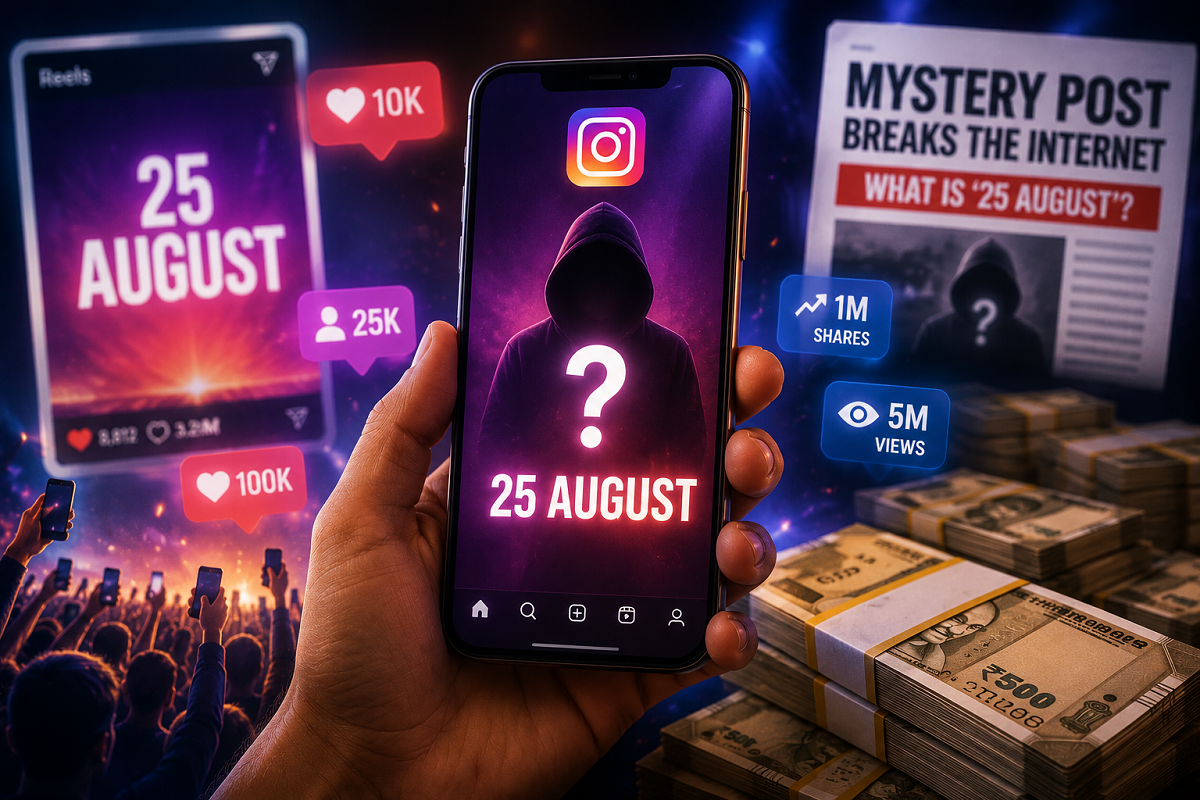
A bizarre social media campaign built around the date “25 August 2026” has become one of the most talked-about internet stories of the day. An Instagram handle carrying the date as its identity reportedly created weeks of suspense by promising a major revelation on August 25, prompting thousands of users to follow, speculate and wait for the supposed announcement.
When the date finally arrived, however, the outcome left many users stunned. Instead of a dramatic revelation, the campaign reportedly turned into a money-making exercise linked to a small payment from users. Claims circulating around the episode suggest that the person behind the page may have generated as much as ₹8.5 crore in a single day, although the exact amount and nature of the transactions remain a matter of public debate. Some social media users are calling it clever monetisation, while others are questioning whether the campaign crossed the line into a scam.
How the ‘25 August’ Instagram Page Built Suspense
The concept was simple but highly effective. An Instagram account was created around the name 25 August 2026, and users were repeatedly teased with the idea that something significant would be revealed on that date.
Instead of explaining exactly what would happen, the page reportedly relied on curiosity. Cryptic posts, countdown-style messaging and repeated references to the date helped create a sense of mystery.
That uncertainty itself became the marketing tool.
As more people began sharing the account and discussing possible theories, its reach grew organically. By the time August 25 arrived, a large online audience was already waiting for the promised reveal.
This kind of curiosity-driven engagement is common on social media, where users are often drawn toward content that creates urgency, secrecy or the fear of missing out.
Why the ₹500 Figure Became the Centre of the Controversy
The viral controversy intensified when a ₹500 payment angle reportedly emerged around the campaign.
Users online began discussing claims that people were encouraged to pay a relatively small amount as part of the final reveal or associated activity. Because the amount looked affordable individually, a large number of participants could potentially generate enormous revenue when multiplied at scale.
That is where the headline-grabbing ₹8.5 crore estimate reportedly came from.
For example, if lakhs of users participate in a campaign involving a payment of a few hundred rupees, total collections can quickly run into crores.
However, a viral calculation should not automatically be treated as confirmed profit. Gross collections, actual payments received, refunds, taxes, platform charges, marketing expenses and other costs can all affect the final amount earned.
Is It Really a Scam?
Calling something a scam requires more than simply showing that somebody made a large amount of money.
The key issue is what users were promised before making a payment and what they actually received in return.
If a campaign clearly explained what buyers would get, disclosed the payment terms and delivered the promised product or service, it may simply be an unconventional marketing strategy.
The situation becomes more concerning if people were induced to pay through false claims, misleading promises or deliberate concealment of material information.
This distinction is why online debate around the campaign has become divided.
Some users appear impressed by the creator's ability to turn curiosity into revenue. Others argue that deliberately building suspense without revealing the real purpose could amount to misleading users, particularly if money was collected based on expectations that were never fulfilled.
Viral Revenue Claims Need Verification
The claim that the campaign generated ₹8.5 crore in one day is dramatic, but readers should treat viral revenue numbers cautiously unless they are backed by verifiable financial records or official confirmation.
Social media calculations are often based on assumptions such as multiplying an advertised price by the number of followers, buyers or participants.
That does not necessarily prove that every person paid.
It also does not establish how much of the amount was retained as profit.
Until transaction data or a verified statement from those involved is available, the ₹8.5 crore figure is better understood as a reported or estimated claim rather than a fully audited earning figure.
Why This Strategy Worked So Well
The episode highlights how powerful curiosity marketing can be on platforms such as Instagram.
People naturally want to know the answer to an unanswered question. When thousands of other users are also discussing the same mystery, the feeling of missing out becomes even stronger.
Several psychological triggers can make such campaigns go viral:
- Curiosity about an unexplained event
- A fixed deadline that creates urgency
- Social proof from rapidly growing engagement
- Low-cost participation that feels financially insignificant
- Repeated speculation from other users
When these factors combine, even a simple idea can attract a massive audience without traditional advertising.
What Users Should Learn From Viral Social Media Campaigns
The incident is also a reminder that online hype should not replace basic caution.
Before paying money to an unfamiliar social media page, users should check who is operating it, what exactly is being sold and whether refund or contact information is available.
A verified account badge alone should not be treated as proof that a financial offer is safe.
Users should also avoid making payments only because a countdown is ending or because thousands of others appear to be participating.
Scammers frequently use urgency and FOMO to discourage people from thinking carefully before transferring money.
Check the Payment Destination Before Sending Money
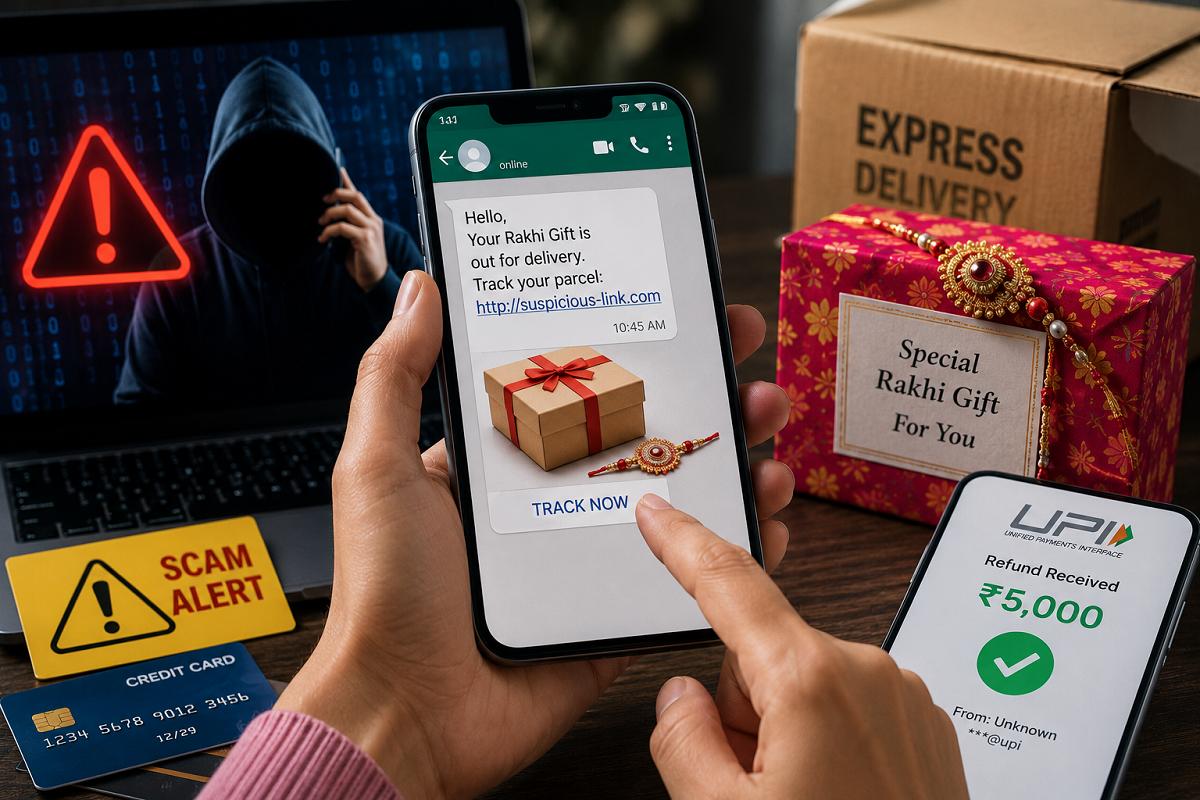
Whenever a social media campaign asks for payment, users should examine the payment recipient carefully.
If the UPI name, bank account or merchant identity does not match the person or business making the offer, that should be treated as a warning sign.
Users should also save screenshots, payment receipts and promotional claims in case a dispute develops later.
If money has been transferred as part of suspected fraud, reporting the transaction quickly to the bank, payment provider and cybercrime authorities can improve the chances of action being taken.
Clever Marketing or Manipulation?
The viral “25 August” episode demonstrates how quickly attention itself can be converted into money on social media.
Building mystery around a date was enough to generate enormous public curiosity. What remains controversial is whether the final monetisation method matched what users reasonably expected when they followed the campaign.
That is ultimately the difference between clever marketing and deceptive manipulation.
For social media users, the safest lesson is straightforward: curiosity can be entertaining, but it should never be the only reason to send money online.
Disclaimer: Revenue figures associated with viral social media campaigns may be estimates unless independently verified. Users should independently check the legitimacy of any online payment request before transferring money.