Food
Rice or Roti: Which Spoils Faster in Summer? Food Safety Tips You Should Know Before Eating Leftovers
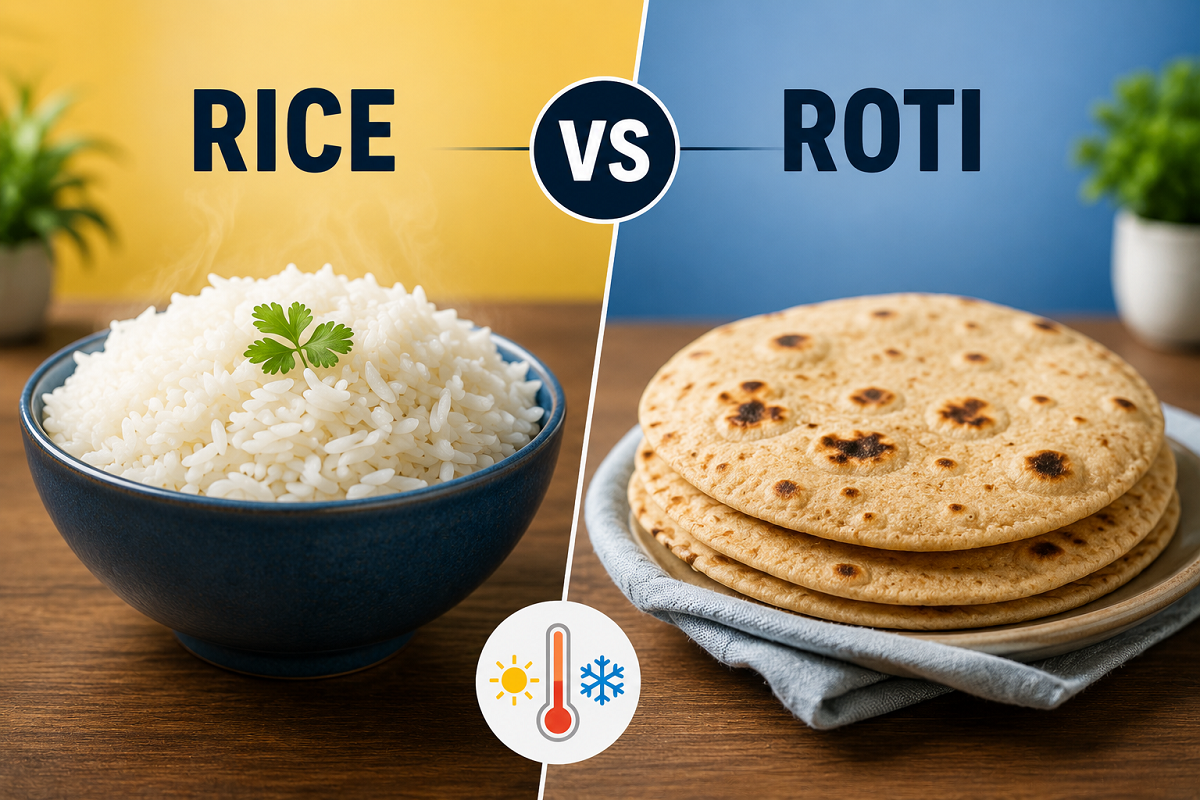
Rice vs Roti in Summer: Hot and humid weather creates ideal conditions for bacteria to multiply, making cooked food spoil much faster. Many people wonder whether cooked rice or roti goes bad first. Experts say cooked rice is generally more prone to spoilage because of its higher moisture content. Here's what you should know to keep your meals safe during the summer.
As temperatures rise during the summer months, food safety becomes more important than ever. Warm and humid conditions allow bacteria and fungi to grow rapidly, increasing the risk of foodborne illnesses. Among the most common household staples, cooked rice and roti are often stored for later consumption. However, they do not spoil at the same rate.
Cooked Rice Spoils Faster Than Roti
In most cases, cooked rice deteriorates more quickly than roti. The primary reason is its high moisture and starch content, which creates a favorable environment for bacteria to multiply if the rice is left at room temperature for too long.
Even if cooked rice looks and smells normal, harmful bacteria may already be present. This makes proper storage essential, especially during hot weather.
Why Rice Becomes Unsafe Quickly
Several factors contribute to the faster spoilage of cooked rice:
- It contains more moisture than roti.
- Starch provides an ideal food source for bacteria.
- High summer temperatures accelerate bacterial growth.
- Leaving rice uncovered or at room temperature for long periods increases contamination risk.
Because of these reasons, cooked rice should not be left outside for several hours after preparation.
Why Roti Lasts Slightly Longer
Compared to rice, roti contains less moisture, making it relatively less vulnerable to rapid bacterial growth. However, this does not mean rotis remain fresh indefinitely.
If stored in a hot or humid environment, rotis can also develop mold or become stale and unsafe to eat.
How to Store Cooked Food Safely
To reduce the chances of food spoilage:
- Allow freshly cooked food to cool slightly, but do not leave it out for long.
- Refrigerate cooked rice and roti within 2 hours of cooking (or sooner in very hot weather).
- Store food in clean, airtight containers.
- Reheat leftovers thoroughly before eating.
- Avoid reheating the same food multiple times.
Signs That Food Has Spoiled
Do not consume cooked rice or roti if you notice:
- An unpleasant or sour smell
- Sticky or slimy texture
- Visible mold or discoloration
- Unusual taste
When in doubt, it is safer to discard the food rather than risk food poisoning.
Summer Food Safety Tips
Following a few simple precautions can help keep your meals safe:
- Cook only the quantity you need.
- Refrigerate leftovers promptly.
- Maintain proper refrigerator temperature.
- Keep cooked food covered at all times.
- Wash hands and utensils before handling food.
Bottom Line
During the summer, cooked rice generally spoils faster than roti because it contains more moisture and starch, allowing bacteria to multiply quickly. Proper storage, timely refrigeration, and careful reheating are essential to reduce the risk of foodborne illness. If food appears or smells unusual, it is best not to eat it.