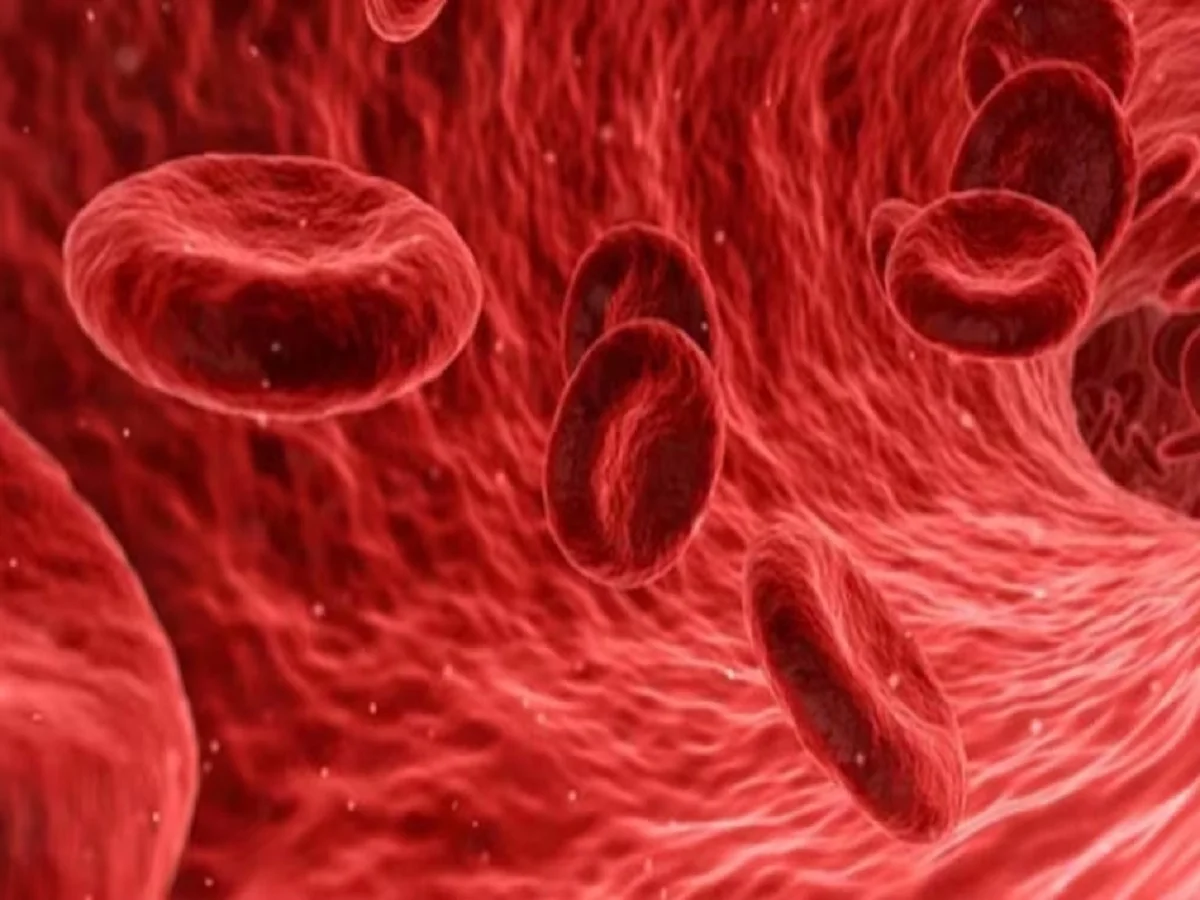
Feeling unusually tired, weak or dizzy can sometimes be associated with anemia, a condition in which the body does not have enough healthy red blood cells or hemoglobin to adequately carry oxygen. While anemia can affect people of different ages, its cause and severity can vary considerably from one person to another.
Diet plays an important role in providing nutrients needed for normal blood formation. Foods containing iron, folate, vitamin B12, protein and other nutrients can contribute to a balanced diet, although food alone may not be enough to correct every case of anemia.
If you are looking for a nutritious homemade option, a soup prepared with drumstick, masoor dal, onion, ginger and tomato can be incorporated into regular meals.
The recipe is simple, requires everyday ingredients and can be prepared without complicated cooking techniques.
Ingredients Needed for Drumstick and Masoor Dal Soup
To prepare this nutritious soup, you will need:
- Drumstick (moringa pods)
- Masoor dal or red lentils
- Onion
- Ginger
- Tomato
- Water
- Turmeric, optional
- Cumin, optional
- Black pepper, optional
The quantities can be adjusted according to the number of servings you want to prepare.
How to Make Drumstick and Lentil Soup
Start by washing the drumsticks thoroughly and cutting them into manageable pieces.
Rinse the masoor dal separately until the water runs relatively clear.
Next, place the drumstick pieces, washed lentils, chopped onion, ginger and tomato in a cooking pot. Add sufficient water and cook everything together until the lentils and vegetables become soft.
Once the ingredients are properly cooked, allow the mixture to cool slightly.
You can then blend the cooked ingredients to create a smoother soup. If you prefer a more rustic texture, lightly mash the mixture instead.
Be careful with the tough outer fibre of drumstick pods. Depending on how they are prepared, it may be preferable to scrape out the soft cooked pulp rather than blend tough fibrous pieces directly into the soup.
Finally, add seasonings according to taste.
A small amount of turmeric, cumin or black pepper can be used to enhance the flavour.
Serve the soup warm.
Why Masoor Dal Is a Useful Addition
Masoor dal is a familiar ingredient in Indian kitchens and provides plant-based protein along with iron and other nutrients.
Protein is important for numerous functions in the body, while iron is necessary for the formation of hemoglobin.
Plant foods contain non-heme iron, which is absorbed differently from the heme iron present in animal-based foods.
Therefore, simply eating one iron-containing food does not guarantee that all of its iron will be absorbed by the body.
This is one reason the overall composition of the meal matters.
Tomatoes Can Make the Combination More Useful
Tomatoes do more than add flavour and colour to this soup.
Vitamin C can help improve the absorption of non-heme iron from plant foods. Including vitamin C-rich foods alongside iron-containing plant foods can therefore be a useful dietary strategy.
Depending on the rest of the meal, lemon juice or other vitamin C-rich foods can also be included in the diet.
This does not turn the soup into a medical treatment for anemia, but it can make it part of a nutrient-conscious eating pattern.
What Does Drumstick Add to the Soup?
Drumstick, obtained from the moringa tree, is widely used in Indian cuisine, especially in curries, dals and sambhar.
It contributes nutrients and adds a distinctive flavour to the soup.
Moringa leaves are also nutritionally valuable and are used in many regional dishes. However, drumstick pods and moringa leaves have different nutritional profiles, so claims about one should not automatically be applied to the other.
When preparing drumstick pods, cook them thoroughly so that the soft inner portion can be consumed comfortably.
Can This Soup Cure Anemia?
No single soup should be considered a guaranteed cure for anemia.
"Low blood" is a commonly used expression, but medically, anemia can result from several different problems. Iron deficiency is one common cause, but deficiencies of vitamin B12 or folate, blood loss, chronic diseases and certain inherited conditions can also contribute.
That means increasing dietary iron may help improve nutritional intake, but it may not address the actual cause in every case.
A blood test and medical assessment may be necessary to determine why hemoglobin is low.
Symptoms of Anemia Should Not Be Ignored
Possible symptoms of anemia can include persistent tiredness, weakness, dizziness, shortness of breath, headaches or pale skin.
Symptoms alone cannot confirm anemia because many other health conditions can produce similar problems.
If symptoms are persistent, severe or worsening, getting medical advice is more appropriate than relying only on home remedies.
A healthcare professional may recommend blood tests such as a complete blood count and, depending on the situation, additional tests to identify the underlying cause.
Don't Start Iron Supplements Without Proper Advice
People sometimes begin taking iron tablets as soon as they hear that their hemoglobin is low.
However, supplementation should ideally be based on the underlying cause and professional advice.
Not every type of anemia is caused by iron deficiency, and unnecessary supplementation can cause side effects.
When iron deficiency is confirmed, a doctor may recommend dietary changes, iron supplementation or other treatment depending on its severity and cause.
Other Foods That Can Support an Iron-Conscious Diet
A balanced diet is more useful than depending on one recipe.
Plant-based sources that can contribute iron include lentils, beans, chickpeas, certain green leafy vegetables, seeds and other nutrient-rich foods.
People who consume animal foods may obtain iron from appropriate meat and other sources as part of their diet.
Combining plant-based iron sources with vitamin C-rich foods can help with absorption.
At the same time, individual dietary requirements can differ, particularly during pregnancy, childhood or when someone has an existing medical condition.
A Simple Nutritious Soup for Regular Meals
Drumstick and masoor dal soup can be an easy way to add lentils and vegetables to your diet.
To make it, cook drumstick pieces with masoor dal, onion, ginger and tomato until soft. Blend or mash the cooked mixture according to your preferred consistency and season it with ingredients such as turmeric, cumin and black pepper.
The combination provides protein and several micronutrients and can fit comfortably into a balanced meal plan.
However, anyone diagnosed with low hemoglobin should avoid treating the recipe as a replacement for medical care. Anemia has multiple possible causes, and identifying the reason behind it is essential for choosing the right treatment.
Think of this soup as a nutritious addition to your meals—not as a standalone remedy for anemia.