Health
Health Benefits of Dates: Why Adding Khajur to Your Diet May Support Energy, Digestion and Bone Health
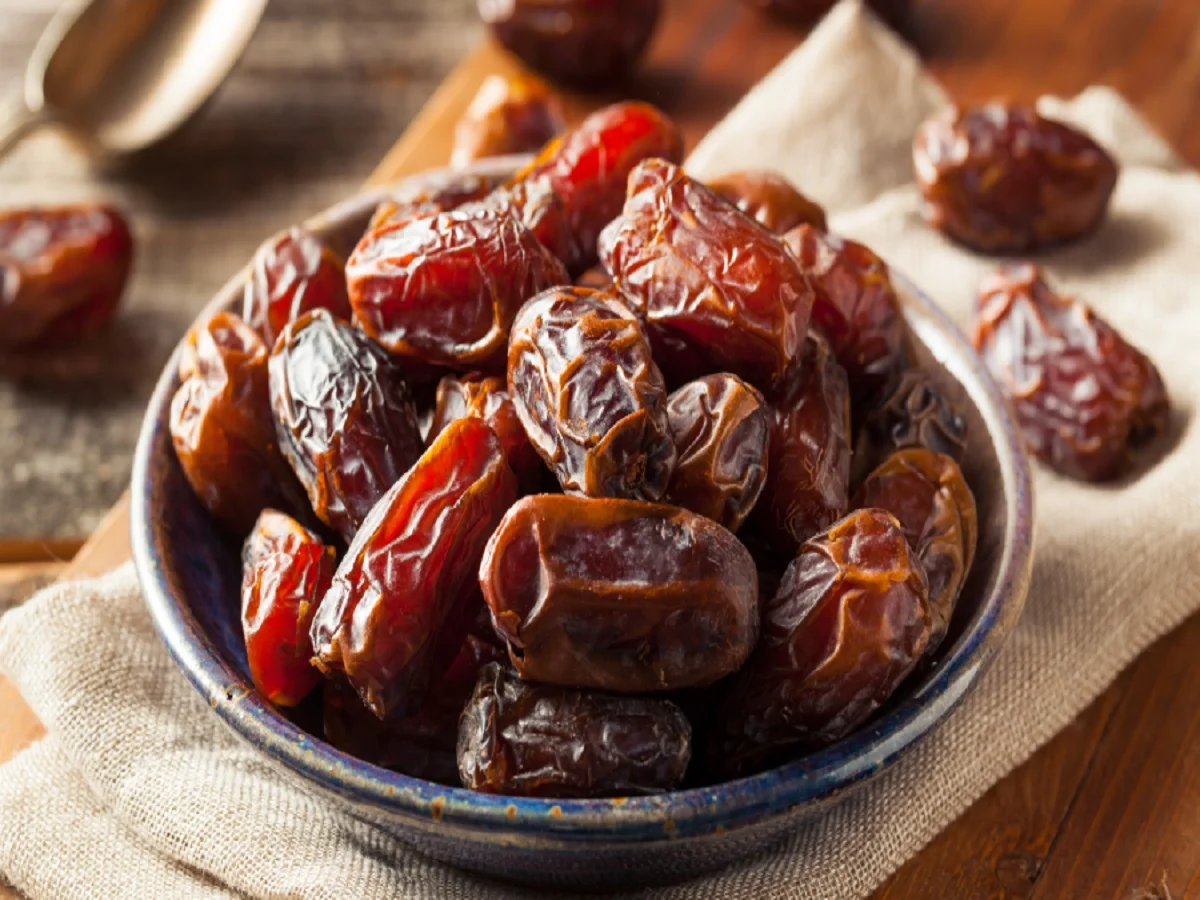
Dates, commonly known as khajur in India, are naturally sweet fruits enjoyed both as a snack and as an ingredient in a variety of dishes. Apart from their rich taste, dates contain carbohydrates, fibre and several minerals, making them a nutrient-dense addition to a balanced diet.
Many people eat dates during winter, add them to milk or use them as a natural sweetener in homemade recipes. Their naturally occurring sugars can provide a quick source of energy, while their fibre content may support healthy digestion.
Dates also contain minerals such as potassium, magnesium and copper. However, they should not be viewed as a treatment or guaranteed protection against diseases. Their benefits are best understood as part of an overall nutritious diet and healthy lifestyle.
Here are some of the potential benefits of including dates in your regular diet.
1. Dates Can Provide a Quick Source of Energy
One of the most noticeable characteristics of dates is their natural sweetness.
Dates contain naturally occurring sugars, including glucose and fructose, along with carbohydrates. Because of this, they can provide the body with readily available energy.
This makes dates a convenient snack when you need something quick between meals or before physical activity.
People sometimes pair dates with nuts, seeds or other foods containing protein and healthy fats to create a more balanced snack.
However, because dates are naturally high in sugar and calories relative to their size, portion size remains important.
2. Fibre in Dates May Support Digestion
Dates are also a source of dietary fibre.
Getting adequate fibre through the diet is important for normal digestive function. Fibre helps add bulk to stools and supports regular bowel movements.
People who struggle with occasional constipation may benefit from consuming adequate fibre along with sufficient fluids and regular physical activity.
Dates can contribute to daily fibre intake when eaten as part of a diet that also includes vegetables, fruits, whole grains, pulses, nuts and seeds.
Increasing fibre intake suddenly can sometimes cause digestive discomfort, so dietary changes are generally better made gradually.
3. Dates Contain Several Important Minerals
Dates provide a variety of micronutrients, including minerals needed by the body for different functions.
Among the minerals commonly found in dates are potassium, magnesium and copper.
Potassium plays a role in normal muscle and nerve function, while magnesium participates in numerous processes within the body.
Copper is also required in small amounts and contributes to several normal physiological functions.
Dates should not be relied upon as the sole source of these nutrients, but they can contribute to overall intake when combined with a varied diet.
4. May Contribute Nutrients Important for Bone Health
The original health claim surrounding dates often highlights their potential benefits for bones.
Dates contain minerals such as magnesium and copper, which are involved in maintaining normal body functions, including processes related to bone health.
However, eating dates alone cannot guarantee stronger bones or prevent osteoporosis.
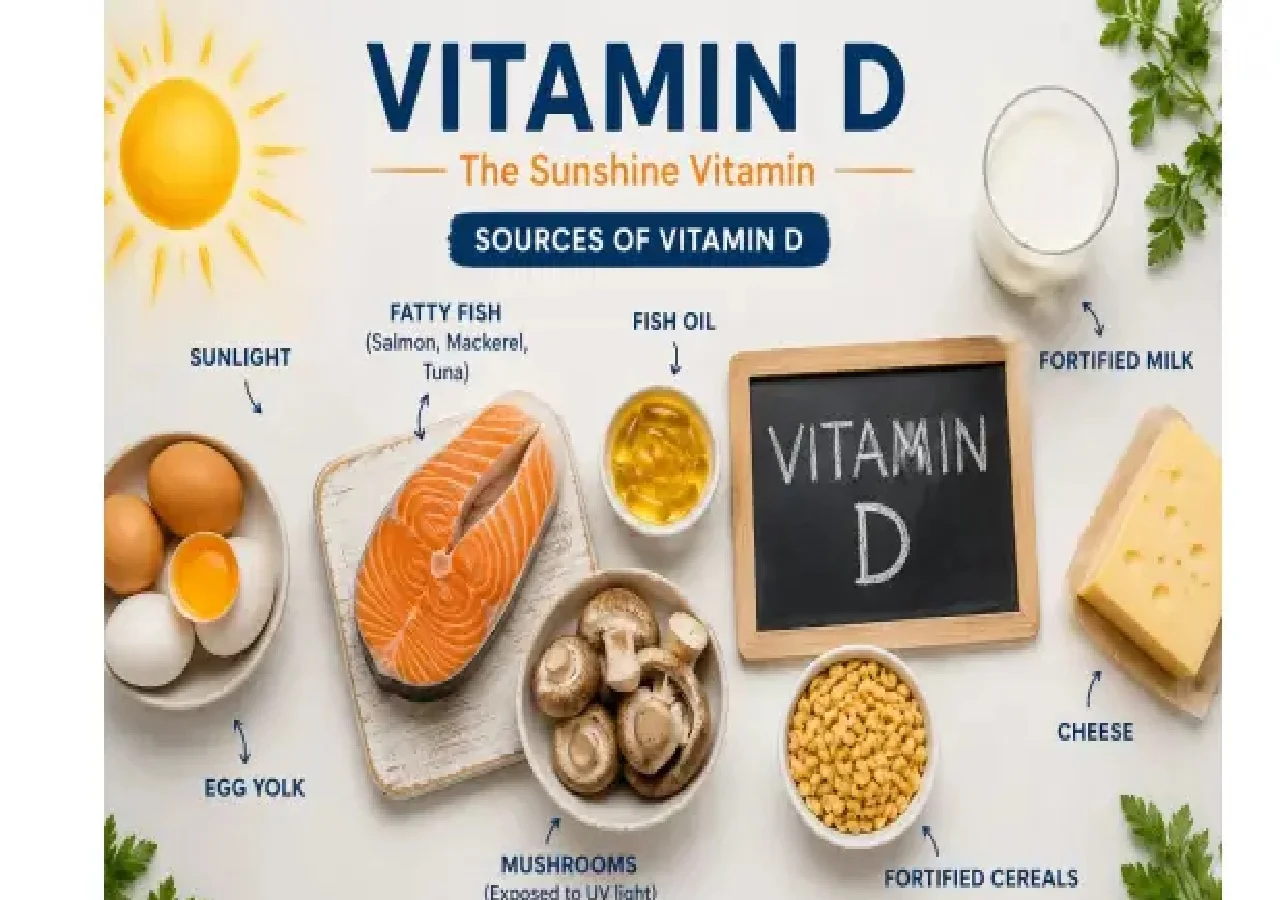
Bone health depends on a much broader combination of factors, including adequate calcium and vitamin D intake, sufficient protein, regular weight-bearing exercise, hormonal health and other lifestyle factors.
For people concerned about osteoporosis or low bone density, dates should therefore be considered a nutritious food rather than a substitute for medical evaluation or treatment.
5. A Convenient Alternative for Sweet Cravings
Dates have an intense natural sweetness, which means they can be used in some recipes instead of heavily refined sweeteners.
For example, chopped or blended dates can be added to homemade energy bites, smoothies, porridge and certain desserts.
Using dates does not make a dish sugar-free, because dates themselves contain natural sugars. However, they also provide fibre and micronutrients that ordinary table sugar does not provide in comparable amounts.
The overall nutritional value of a recipe will depend on all of its ingredients and the portion consumed.
6. Dates Can Be Combined With Other Nutritious Foods
Another advantage of dates is that they are easy to pair with other foods.
They can be eaten with almonds, walnuts or other nuts, added to oatmeal, incorporated into homemade snacks or consumed alongside unsweetened dairy products where appropriate.
Combining dates with foods containing protein, fibre or healthy fats can also make a snack more satisfying than eating a large quantity of dates on their own.
How Many Dates Should You Eat?
There is no single number that is appropriate for everyone.
The ideal serving depends on factors such as total calorie requirements, overall diet, physical activity and individual health needs.
Because dried dates are energy-dense and naturally high in sugar, eating large quantities can add significant calories and carbohydrates to the diet.
A small portion is generally easier to incorporate into a balanced eating pattern than unrestricted consumption.
People who need to closely manage their carbohydrate or blood-sugar intake should consider portion size carefully and follow advice from their doctor or registered dietitian when appropriate.
Are Dates Healthy for Everyone?
Dates can fit into the diets of many healthy people, but individual requirements differ.
Someone managing diabetes, kidney disease or another condition requiring dietary restrictions may need personalised advice about portion size or mineral and carbohydrate intake.
Dates are also calorie-dense, so eating them in excessive amounts may work against weight-management goals if total calorie intake becomes too high.
The fact that a food is nutritious does not mean unlimited quantities are beneficial.
Fresh Dates vs Dried Dates
Dates can be available at different stages of ripeness and with varying moisture levels.
Dried or semi-dried dates tend to have a concentrated sweetness and can be stored conveniently, making them a popular household snack.
When buying packaged dates, checking the ingredient label can be useful. Products containing only dates are different from preparations with additional sugar, syrup or coatings.
Consumers trying to limit added sugar may prefer varieties without extra sweeteners.
Best Way to Include Dates in Your Diet
Dates do not require any complicated preparation.
They can be eaten on their own in moderate portions or combined with other nutritious ingredients.
Try chopping dates into oatmeal, pairing them with a few nuts or using them to add natural sweetness to homemade foods.
Remember that no single food determines whether a diet is healthy.
A balanced eating pattern should include vegetables, fruits, whole grains, pulses or other protein sources, healthy fats and other nutrient-rich foods according to individual needs.
Final Takeaway
Dates are more than just a naturally sweet snack. They provide carbohydrates for energy, dietary fibre and minerals such as potassium, magnesium and copper.
Their fibre content may support normal digestive function, while the minerals they provide can contribute to overall nutritional intake. They can also offer a convenient way to satisfy a sweet craving while providing more nutrients than refined sugar alone.
At the same time, claims that dates can independently prevent serious diseases should be treated cautiously. Bone strength, heart health, digestive health and overall well-being depend on the complete diet, physical activity and many other factors.
Enjoyed in sensible portions as part of a varied diet, dates can be a nutritious and convenient addition to everyday meals and snacks.