Business
DA Hike 2026: Central Employees Await 63% Dearness Allowance as Key Pay Commission Meetings Approach
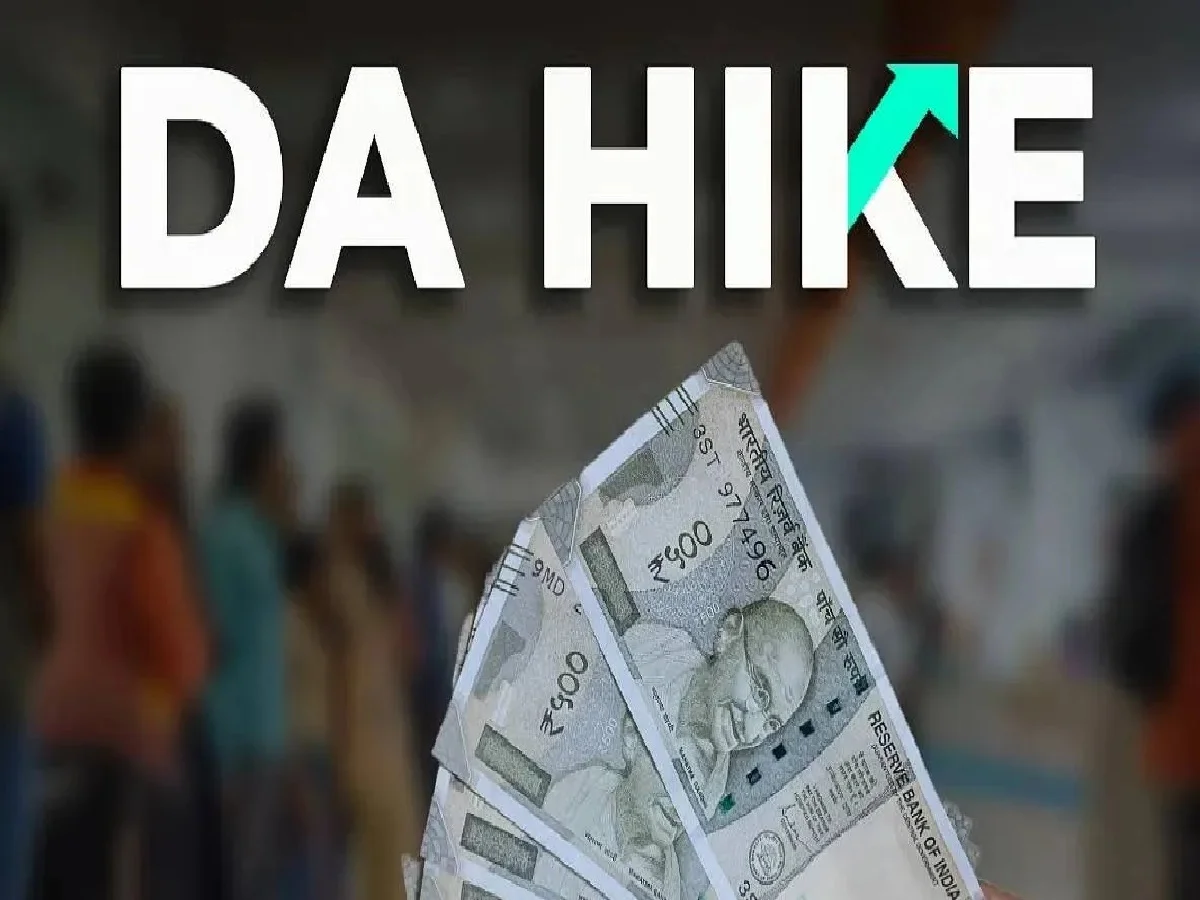
The coming weeks could be particularly important for central government employees and pensioners, with two major developments in focus. Employees are awaiting the government's decision on the Dearness Allowance (DA) revision applicable from July 2026, while discussions linked to the 8th Pay Commission are also expected to gather momentum.
The government has not yet officially announced the July 2026 DA revision. However, calculations based on inflation-related data have led to expectations that DA could rise by another 3 percentage points.
If that estimate is approved, Dearness Allowance for central government employees could increase from the existing 60% to 63% of basic pay.
At the same time, meetings connected with the 8th Pay Commission are keeping employees and pensioners interested in possible longer-term changes to salaries, pensions and other benefits.
Here is what employees need to know about both developments.
Will DA Increase to 63% From July 2026?
Central government employees currently receive DA at 60% of basic pay following the revision applicable from January 2026.
Attention has now shifted to the next revision, which is due from July 2026.
Current estimates suggest that employees could receive a 3-percentage-point increase, potentially taking DA from 60% to 63%.
However, employees should note that 63% is still an expected figure until the Union government formally approves and announces the revision.
The final rate will depend on the applicable calculation and subsequent government decision.
Why AICPI-IW Data Matters for DA
Dearness Allowance is revised periodically to help compensate employees for the impact of inflation.
For central government employees, the calculation is linked to the All India Consumer Price Index for Industrial Workers (AICPI-IW).
Changes in the index over the relevant period are used to determine the DA level under the existing formula.
DA is normally revised twice each year, with revisions becoming applicable from January and July.
This does not necessarily mean the announcement itself arrives in January or July. The government can approve the revision later while making it effective retrospectively from the relevant date.
Therefore, employees waiting for the July 2026 revision could receive arrears for the period between its effective date and the month in which the revised payment begins, depending on the final government order.
Could the DA Hike Be Announced Before Dussehra?
No official announcement date has been confirmed yet.
However, expectations are that the government could take a decision around the festive season.
Dussehra falls on October 20, 2026, and speculation has emerged that the DA revision may be announced before or around this period.
Employees should treat this as an expected timeline rather than a confirmed deadline.
Only an official government or Cabinet announcement will establish the revised DA rate and implementation details.
How Much Could Salary Increase If DA Reaches 63%?
The impact depends on an employee's basic pay.
For example, consider an employee with a basic monthly salary of ₹18,000.
At 60% DA:
₹18,000 × 60% = ₹10,800 per month
If DA increases to 63%:
₹18,000 × 63% = ₹11,340 per month
That represents an increase of ₹540 per month in DA.
Over 12 months, the difference would be ₹6,480, excluding the impact of other salary components.
Now consider an employee with basic pay of ₹50,000.
At 60% DA, the amount would be:
₹50,000 × 60% = ₹30,000
At 63%, it would become:
₹50,000 × 63% = ₹31,500
The difference would therefore be ₹1,500 per month.
Actual take-home salary changes can differ because pay structures include several components, deductions and allowances.
Pensioners Are Also Watching the Revision
The development is important not only for serving employees.
Central government pensioners receive Dearness Relief (DR), which is generally revised in line with the applicable DA increase.
Therefore, any confirmed revision from 60% to 63% would also be significant for eligible pensioners, subject to the government's final order.
For retired employees dependent on their monthly pension, periodic DR revisions help offset some of the impact of rising living costs.
8th Pay Commission Developments Also in Focus
While DA provides periodic inflation-linked adjustments under the existing pay structure, the 8th Pay Commission is a much broader exercise.
The commission's work is being closely followed because its recommendations could influence the future salary and pension framework for central government employees and pensioners.
The process involves consultations and discussions with employee organisations, pensioners and other stakeholders.
Several meetings have already taken place, while more consultations are scheduled in the coming weeks.
Upcoming 8th Pay Commission Meetings
According to the current schedule mentioned in reports, important consultations are expected on:
September 9 – Puducherry
September 16-18 – Chandigarh
October 7-8 – Bengaluru
These meetings could provide different stakeholders with opportunities to present their concerns and proposals before the commission.
Employee organisations are expected to closely follow these discussions because issues related to pay, pension and service conditions can form part of the broader consultation process.
DA Hike and 8th Pay Commission Are Two Different Developments
Employees should avoid confusing the upcoming DA revision with the 8th Pay Commission.
The July 2026 DA hike would be an inflation-linked revision under the existing pay framework.
The 8th Pay Commission, on the other hand, is intended to review the broader salary and pension structure and make recommendations for a future pay framework.
Therefore, an increase in DA to 63%, if approved, does not itself reveal what salaries will look like under the 8th Pay Commission.
Similarly, speculation surrounding a future fitment factor should not be treated as an officially approved salary increase.
What Happens to DA When a New Pay Commission Is Implemented?
Whenever a new pay structure is eventually implemented, the treatment of existing DA will depend on the final recommendations and government-approved methodology.
Historically, pay commission transitions have involved restructuring basic pay while accounting for the prevailing compensation framework.
However, it would be premature to assume exactly how the 8th Pay Commission will treat DA because its recommendations and the government's final decisions are still awaited.
Employees should therefore be cautious about viral calculations claiming to show an exact 8th Pay Commission salary at this stage.
When Will the 8th Pay Commission Report Arrive?
The commission's consultation process is expected to continue as it gathers inputs from different stakeholders and examines the issues before it.
Various interim timelines may circulate regarding submissions, meetings or stages of the process.
The final report, however, is expected only after the commission completes its detailed exercise. Current expectations point towards a more substantial outcome around May-June 2027, although employees should rely on official notifications for the definitive schedule.
That makes the coming months important for consultations rather than an indication that a new salary structure will immediately come into force.
Why the Next Two Months Matter for Employees
September and October could bring greater clarity on two fronts.
First, central government employees are waiting for the July 2026 DA revision. If the expected three-percentage-point hike is approved, DA would reach 63%.
Second, the 8th Pay Commission's consultation schedule is moving ahead, with meetings expected in Puducherry, Chandigarh and Bengaluru.
The two developments operate on different timelines but are important for the same group of employees and pensioners.
Final Takeaway
Central government employees and pensioners could have several important developments to watch over the next two months.
The biggest immediate issue is the pending DA revision applicable from July 2026. Current calculations and reports indicate the possibility of a 3% increase, taking DA from 60% to 63%, but the government has not yet officially confirmed the final rate.
An announcement around the Dussehra period is being anticipated, although no official date has been declared.
Meanwhile, the 8th Pay Commission's upcoming consultations will remain important for employees looking beyond the immediate DA increase toward the next major revision of central government salaries and pensions.
For now, employees should distinguish between projections and confirmed decisions. The 63% DA figure remains an expectation until formally approved, while the eventual salary structure under the 8th Pay Commission will become clear only after the commission completes its work and the government acts on its recommendations.