Health
Vitamin D Deficiency: 5 Warning Signs Your Body May Be Running Low on This Essential Nutrient
Vitamin D plays an important role in maintaining healthy bones and muscles and supporting normal immune function. Despite its importance, low vitamin D levels can sometimes go unnoticed because the symptoms may be mild, vague or easily confused with other health problems.
Persistent tiredness, muscle weakness or unexplained aches, for example, can occur for many different reasons. They may sometimes be associated with low vitamin D, but experiencing these symptoms does not automatically mean you have a deficiency.
A blood test is a more reliable way to determine vitamin D status if deficiency is suspected.
Here are five possible signs that may indicate it is worth discussing your vitamin D level with a healthcare professional.
1. Feeling Tired Even After Getting Enough Rest
Everyone experiences fatigue occasionally. A busy schedule, inadequate sleep, stress or strenuous physical activity can leave you feeling exhausted.
However, persistent or unexplained tiredness can sometimes be associated with low vitamin D levels.
If you regularly feel unusually tired despite getting adequate sleep and rest, it may be worth paying attention to other symptoms and discussing the issue with a doctor.
Fatigue is extremely non-specific, which means vitamin D deficiency is only one of many possible explanations.
Low iron levels, anemia, thyroid problems, sleep disorders, infections, nutritional deficiencies and several other health conditions can also contribute to ongoing fatigue.
Therefore, tiredness alone should never be used to diagnose vitamin D deficiency.
2. Unexplained Bone Pain or Back Discomfort
Vitamin D has an important relationship with bone health because it helps the body absorb calcium effectively.
Calcium is required for maintaining normal bones, and inadequate vitamin D over a prolonged period can negatively affect bone health.
Some people with vitamin D deficiency may experience general bone discomfort or aches. Back discomfort may also occur in some cases.
However, back pain is extremely common and has numerous possible causes, including muscle strain, poor posture, prolonged sitting and spinal conditions.
If pain is persistent, severe or affecting everyday activities, a proper medical assessment is more useful than assuming vitamin D is responsible.
3. Muscle Weakness
Muscle weakness is another possible sign associated with inadequate vitamin D.
A person may notice that activities that were previously easy feel more difficult. Walking, climbing stairs, getting up or performing physically demanding tasks may require greater effort.
This does not mean that every episode of muscle weakness is caused by low vitamin D.
Muscle problems can result from inactivity, nutritional issues, neurological conditions, certain medications and many other causes.
But if unexplained weakness continues, particularly alongside other symptoms, discussing it with a healthcare professional may be worthwhile.
4. Getting Sick Frequently
Vitamin D also contributes to normal immune function.
This connection is one reason low vitamin D status is often discussed in relation to the body's ability to respond to infections.
However, frequently catching colds or other infections does not automatically prove that someone has vitamin D deficiency.
Exposure to infections, sleep quality, stress, existing medical conditions, age, nutrition and many other factors influence how often someone becomes ill.
Rather than assuming that vitamin D supplements will prevent infections, people experiencing frequent or unusual illnesses should consider seeking professional medical advice when appropriate.
5. Changes in Mood
Mood changes are another area that has been associated with vitamin D status.
Low vitamin D levels have been linked in some research with depressive symptoms or low mood. However, this relationship is complex and should not be interpreted to mean that vitamin D deficiency is necessarily the cause of depression.
Mood can be affected by psychological, social, environmental and medical factors.
Anyone experiencing persistent sadness, loss of interest in usual activities or significant changes in mood should seek appropriate professional support rather than relying solely on vitamin supplements.
Why Is Vitamin D So Important?
Vitamin D is unusual because the body can produce it when skin is exposed to sunlight under appropriate conditions.
It also has important roles in calcium metabolism, bone maintenance and normal muscle and immune function.
The amount of vitamin D a person produces through sunlight can vary considerably.
Factors such as season, location, time spent outdoors, clothing, skin pigmentation and other individual circumstances can influence vitamin D production.
This is why simply assuming that regular exposure to sunshine guarantees adequate vitamin D levels may not always be appropriate.
How Can You Know If You Have Vitamin D Deficiency?
Symptoms alone cannot reliably diagnose a vitamin D deficiency.
A person could experience fatigue and muscle weakness while having adequate vitamin D, while someone with low vitamin D may have few obvious symptoms.
If deficiency is suspected, a healthcare professional may recommend an appropriate blood test to assess vitamin D status.
Testing can be particularly relevant when symptoms, medical history or other risk factors give a doctor reason to suspect low levels.
Should You Start Vitamin D Supplements Yourself?
It can be tempting to purchase supplements after noticing one or two symptoms associated with vitamin D deficiency.
However, taking supplements without knowing whether you need them is not always appropriate.
Vitamin D is a fat-soluble vitamin, meaning excessive intake can accumulate in the body. Very high supplemental doses can potentially cause harmful effects.
The appropriate amount, when supplementation is required, can depend on factors including the degree of deficiency and individual health circumstances.
For this reason, supplements—particularly high-dose products—are better taken according to medical advice rather than on the assumption that more vitamin D is always better.
Food Can Also Contribute to Vitamin D Intake
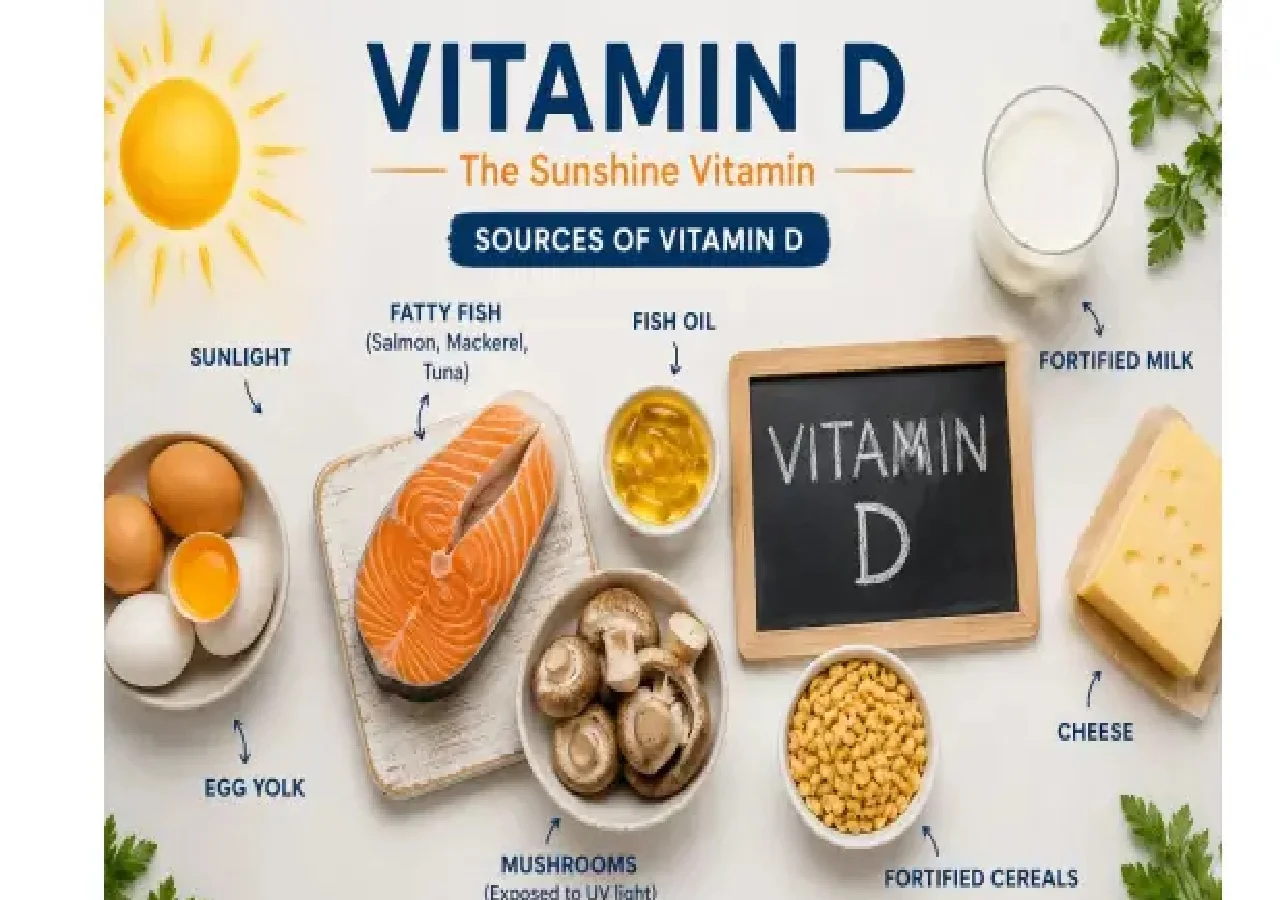
Sunlight is not the only source of vitamin D.
Certain foods can contribute to dietary vitamin D intake, and some foods may be fortified with the nutrient.
A balanced diet remains important because bone and muscle health depend on much more than vitamin D alone. Adequate calcium, protein and other nutrients also play important roles.
People following restrictive diets or those with specific nutritional requirements may benefit from professional dietary guidance.
When Should You Consider Getting Checked?
Occasional tiredness or muscle soreness does not necessarily require a vitamin D test.
But persistent unexplained fatigue, recurring bone discomfort, noticeable muscle weakness or other ongoing symptoms may justify discussing the possibility with a healthcare professional.
The same symptoms can have several different causes, making proper evaluation important.
Rather than self-diagnosing based on an online symptom list, testing can help establish whether vitamin D is actually low and whether treatment is needed.
Final Takeaway
Vitamin D is essential for normal bone and muscle health and contributes to proper immune function.
Persistent fatigue, bone or back discomfort, muscle weakness, frequent illness and changes in mood are among the signs that have sometimes been associated with low vitamin D levels.
But none of these symptoms can confirm a deficiency on its own.
If you suspect that your vitamin D level may be low, getting appropriate medical advice and, where recommended, a blood test is a better approach than immediately starting supplements.
Identifying an actual deficiency allows treatment to be based on your individual needs rather than guesswork.