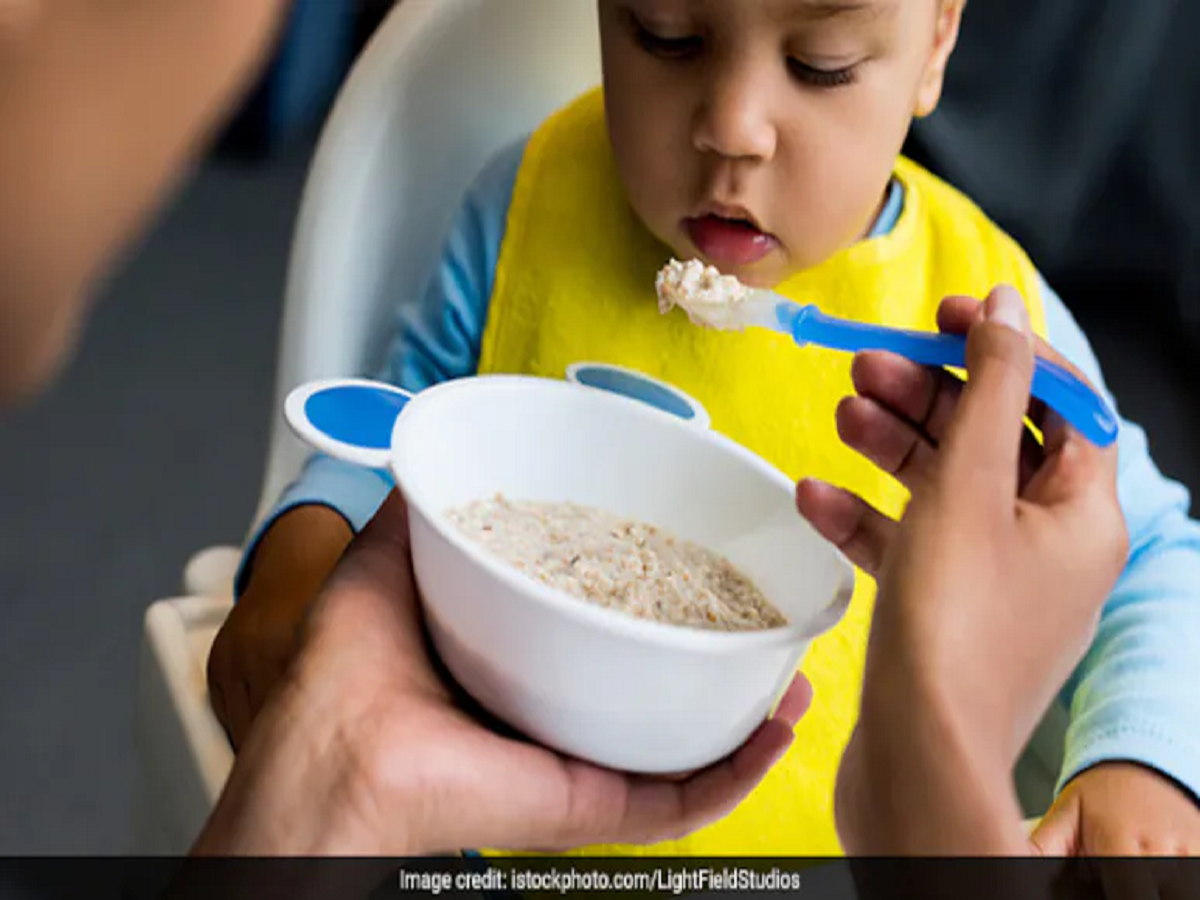
Starting solid foods is an important milestone in a baby's first year. At around six months, many babies are ready to explore foods alongside breast milk or infant formula. For parents, however, this stage often brings plenty of questions: What foods should be introduced first? How should they be prepared? And which foods could pose an allergy or choking risk?
A baby's nutritional needs increase as they grow, and complementary foods can help provide nutrients such as iron, protein and healthy fats. Eggs, amaranth (rajgira) and appropriately prepared walnuts are among the foods that can be introduced as part of a varied diet when a baby is developmentally ready for solids.
However, preparation matters just as much as the choice of food. At this age, foods should have a soft, manageable texture, and choking hazards such as whole nuts must be avoided.
When Can Babies Start Eating Solid Foods?
The World Health Organization recommends introducing nutritionally adequate and safe complementary foods at around six months while continuing breastfeeding.
A baby's readiness for complementary feeding also matters. Signs can include being able to sit with support and maintain good head and neck control, as well as showing interest in food.
Breast milk or infant formula remains an important part of nutrition during this transition. Solid foods are introduced gradually rather than immediately replacing milk feeds.
Here are three nutritious options parents may consider when expanding a baby's diet.
1. Eggs Can Provide Protein and Choline
Eggs are nutrient-dense and can be introduced when a baby begins eating complementary foods, provided they are prepared safely.
They contain high-quality protein along with several vitamins and minerals. Eggs are also a source of choline, an essential nutrient involved in functions related to the brain and nervous system.
Current guidance does not recommend unnecessarily delaying the introduction of common allergenic foods such as cooked egg once a baby is ready for complementary foods. Introducing egg during infancy may actually help reduce the risk of developing an egg allergy in some children.
How to Serve Egg to a 6-Month-Old
Egg should be thoroughly cooked before being offered to a young baby. Depending on the baby's feeding skills, parents can mash a hard-boiled egg into a smooth or soft consistency.
It can be combined with a familiar soft food to make swallowing easier. Avoid adding unnecessary salt or strongly seasoned ingredients.
When introducing egg for the first time, offer a small amount and watch for signs of an allergic reaction. Parents of babies with severe eczema, an existing food allergy or other allergy concerns should discuss allergen introduction with their pediatrician.
2. Amaranth Can Add Variety to Baby's Meals
Amaranth, commonly known as rajgira in India, is another ingredient that can be incorporated into complementary meals.
It provides nutrients including protein, iron and magnesium. Iron is particularly important during infancy because babies need it to support normal growth and development.
For babies around six months old, however, texture should remain the priority.
How to Prepare Rajgira for Babies
Cook amaranth thoroughly with enough water until it becomes very soft. Depending on the baby's feeding stage, it can then be mashed or blended to achieve an appropriate consistency.
Parents can combine cooked rajgira with soft, mashed vegetables. Sweet potato or unsweetened fruit puree can also be added to introduce different tastes and textures.
Avoid making the meal overly sweet or salty. Babies are still learning about natural flavors, so elaborate seasoning is unnecessary.
3. Walnuts Must Be Served in a Baby-Safe Form
Walnuts contain unsaturated fats and alpha-linolenic acid (ALA), a plant-based omega-3 fatty acid. They can contribute useful nutrients to a varied diet, but serving them safely is essential.
Whole walnuts, walnut pieces and other whole nuts should never be given to babies because they present a serious choking hazard.
How Can Walnuts Be Given Safely?
If walnuts are being introduced, they should be transformed into a texture suitable for the baby's developmental stage.
Finely ground walnut can be mixed in a small quantity with foods such as porridge or fruit puree. Smooth nut butter can also be incorporated into another food after thinning it appropriately; thick spoonfuls of nut butter can themselves pose a choking risk.
The important point is that there should be no hard pieces or large chunks that the baby could choke on.
Walnuts are tree nuts and therefore a potential allergen. Introduce them carefully and watch the baby after the first exposure.
Introduce New Foods Carefully
Introducing complementary foods is not a race. Parents can gradually expand the baby's diet while paying attention to texture, nutritional variety and the child's individual feeding abilities.
When introducing common allergens, offering one new allergenic food at a time can make it easier to identify the cause if a reaction occurs.
Possible food-allergy symptoms may include hives, swelling, vomiting, coughing, wheezing or breathing difficulties. A severe allergic reaction requires urgent medical attention.
Choking Prevention Is Equally Important
Safe preparation becomes especially important when babies begin solids.
Food should be prepared according to the baby's developmental abilities. Whole nuts, hard pieces and other foods that are difficult to chew or swallow should be avoided. Babies should also be seated upright and supervised while eating.
Parents should distinguish choking from gagging. Gagging can occur while babies learn to manage new textures, whereas choking involves an obstructed airway and can be life-threatening.
Breast Milk or Formula Still Matters After Six Months
Beginning complementary feeding does not mean milk feeds suddenly become unnecessary.
The WHO recommends continuing breastfeeding alongside complementary foods up to two years of age or beyond. Infant formula likewise remains an important source of nutrition for formula-fed babies during the first year.
Solid foods should gradually complement these feeds as the baby's dietary variety and eating skills develop.
Building a Balanced Diet From the Beginning
There is no single food that can guarantee better brain development or overall growth. A baby's development depends on many interconnected factors, including adequate nutrition, sleep, responsive caregiving, interaction, play and the child's overall health.
Eggs, properly cooked amaranth and safely prepared walnuts can all contribute nutrients to a varied complementary diet. The goal should be to gradually expose babies to different nutritious foods while ensuring that every meal is prepared in an age-appropriate and safe form.
Because every baby develops differently, parents who are uncertain about starting solids, food allergies, growth or feeding difficulties should seek individualized advice from a pediatrician or qualified pediatric dietitian.