
Health
Potato Facial for Tanned and Dull Skin: Try This Simple Home Skincare Routine for a Natural Glow
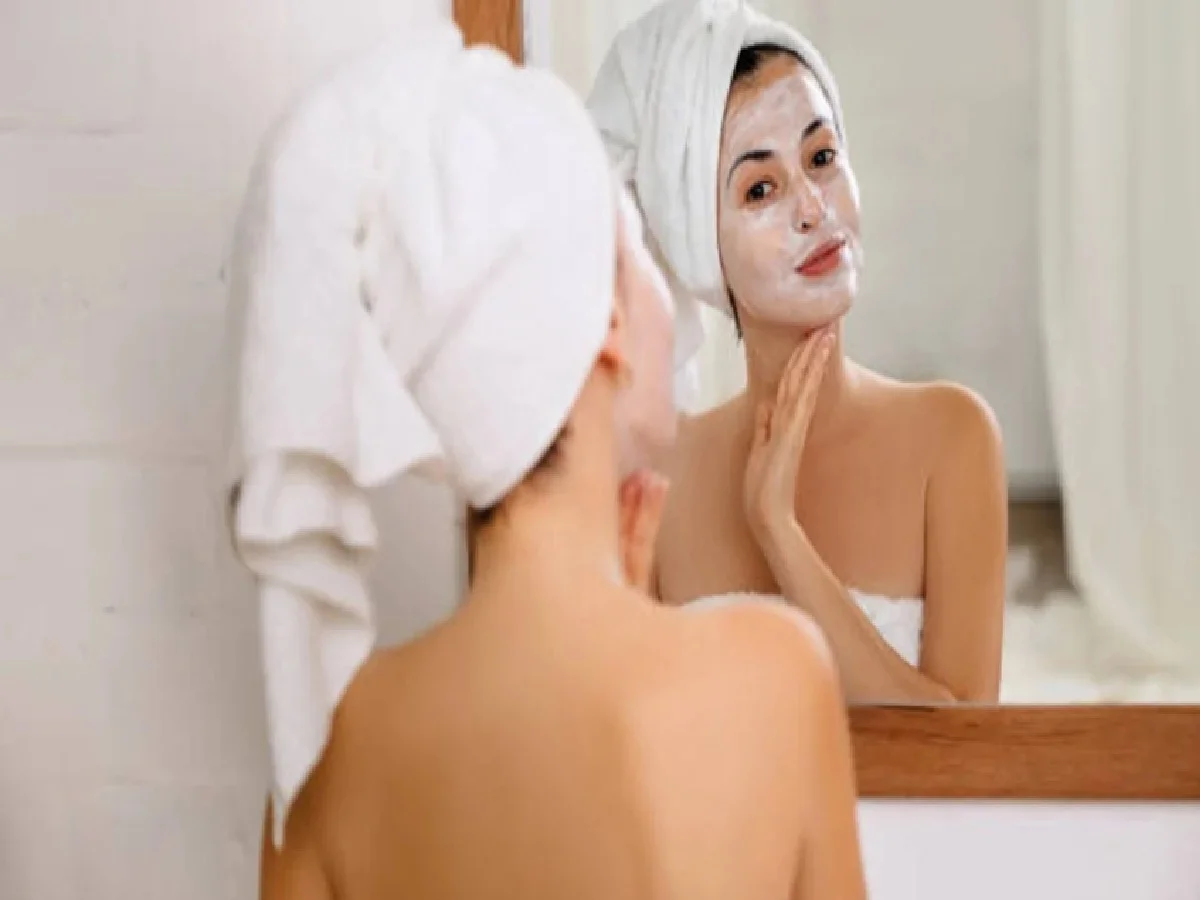
Changes in weather can affect the way your skin looks and feels. During humid or rainy conditions, some people may notice excessive oiliness, stickiness, breakouts or dull-looking skin. Sun exposure can also lead to tanning and uneven pigmentation, making the complexion appear less even.
While salons offer numerous treatments, you don't necessarily need an expensive facial every time your skin feels dull. Some commonly available kitchen ingredients can be incorporated into a simple skincare routine. One popular home remedy involves using raw potato as part of a homemade facial.
However, home remedies aren't a substitute for dermatological treatment, and ingredients such as lemon juice can irritate sensitive skin. Here's how to approach a potato facial more safely.
Can Potato Help With Tanned Skin?
Raw potato is frequently used in traditional home skincare routines for dull-looking skin and uneven appearance. Potato contains water, starch and naturally occurring compounds that may temporarily leave the skin feeling refreshed.
However, claims that potato juice can permanently remove a suntan or significantly lighten pigmentation aren't strongly supported by clinical evidence.
A suntan develops because exposure to ultraviolet (UV) radiation stimulates the skin to produce more melanin. Therefore, protecting your skin from further UV exposure is more important than relying on any single home remedy.
Ingredients for a Homemade Potato Facial
A simple potato-based skincare mixture can be prepared using ingredients commonly found at home.
You may need grated raw potato or freshly extracted potato juice, plain curd or yoghurt and a small quantity of finely ground coffee.
Some traditional versions also include coconut oil and lemon juice. However, both require caution. Coconut oil can feel heavy or clog pores for some acne-prone individuals, while lemon juice can irritate the skin and increase sensitivity.
For that reason, keeping the recipe simple may be a better choice, particularly if you have sensitive skin.
How to Prepare the Potato Face Mixture
Wash and peel a fresh potato before grating it. Squeeze the grated potato through a clean cloth or strainer to extract a small amount of juice.
Take a little plain yoghurt in a clean bowl and add the potato juice. If your skin tolerates physical exfoliation, you can add a very small amount of finely ground coffee.
Mix everything until you get an even consistency that can be applied easily.
Avoid preparing large quantities for storage. A fresh mixture is preferable for a homemade skincare routine.
How to Apply It Correctly
Start by washing your face with a gentle cleanser and patting it dry.
Apply a thin, even layer of the prepared mixture while avoiding the eyes, lips and any areas with cuts, active irritation or broken skin.
If you're using coffee in the mixture, don't scrub aggressively. Harsh rubbing can irritate the skin rather than improve it.
Leave the mixture on for approximately 5–10 minutes before rinsing thoroughly with lukewarm or cool water.
After washing your face, apply a gentle moisturiser suitable for your skin type.
Be Careful With Lemon Juice on Your Face
Lemon juice is commonly recommended in DIY skincare recipes, but applying it directly to facial skin isn't suitable for everyone.
Its acidic nature can cause stinging, redness, dryness or irritation, particularly in people with sensitive or damaged skin.
Sun exposure after using irritating citrus-based products can also create additional skin problems in some circumstances.
Therefore, if you experience burning, itching or redness after applying any homemade mixture, wash it off immediately.
Always Perform a Patch Test
Natural doesn't automatically mean irritation-free.
Before putting a new homemade mixture across your entire face, apply a small quantity to a limited area of skin and monitor for irritation.
If you notice persistent redness, itching, burning, swelling or a rash, don't use the mixture on your face.
People with eczema, rosacea, severe acne, allergies or other existing skin conditions should be especially cautious about experimenting with DIY facial treatments.
Sunscreen Is More Important for Preventing Tanning
If tanning is your main concern, sun protection should be the foundation of your skincare routine.
Use a broad-spectrum sunscreen suitable for your skin and reapply it when necessary, especially when spending extended periods outdoors. Hats, umbrellas, sunglasses and protective clothing can provide additional protection from direct sunlight.
These measures can help prevent further tanning and UV-related skin damage.
Don't Over-Exfoliate Your Skin
Scrubbing your face every day in an attempt to remove tanning can actually make things worse.
Excessive exfoliation may damage the skin barrier, leading to redness, dryness, sensitivity and irritation.
If you choose to use a gentle homemade exfoliating mixture, keep its use limited rather than turning it into a daily routine.
When Should You See a Dermatologist?
Persistent dark patches shouldn't automatically be assumed to be ordinary tanning.
Pigmentation can have many causes, including sun exposure, acne, hormonal changes, irritation and certain skin conditions.
If dark patches appear suddenly, continue getting worse, cause itching or irritation, or don't improve despite appropriate skincare and sun protection, consider consulting a dermatologist.
Final Takeaway
A homemade potato facial can be used as an occasional skincare routine if your skin tolerates the ingredients, but don't expect it to erase tanning overnight.
Keep the mixture gentle, avoid aggressive scrubbing and be particularly cautious with lemon juice. Most importantly, combine any skincare routine with regular sun protection.
For healthy-looking skin, a simple routine of gentle cleansing, moisturising and appropriate sunscreen is generally more valuable than repeatedly experimenting with harsh DIY treatments.