
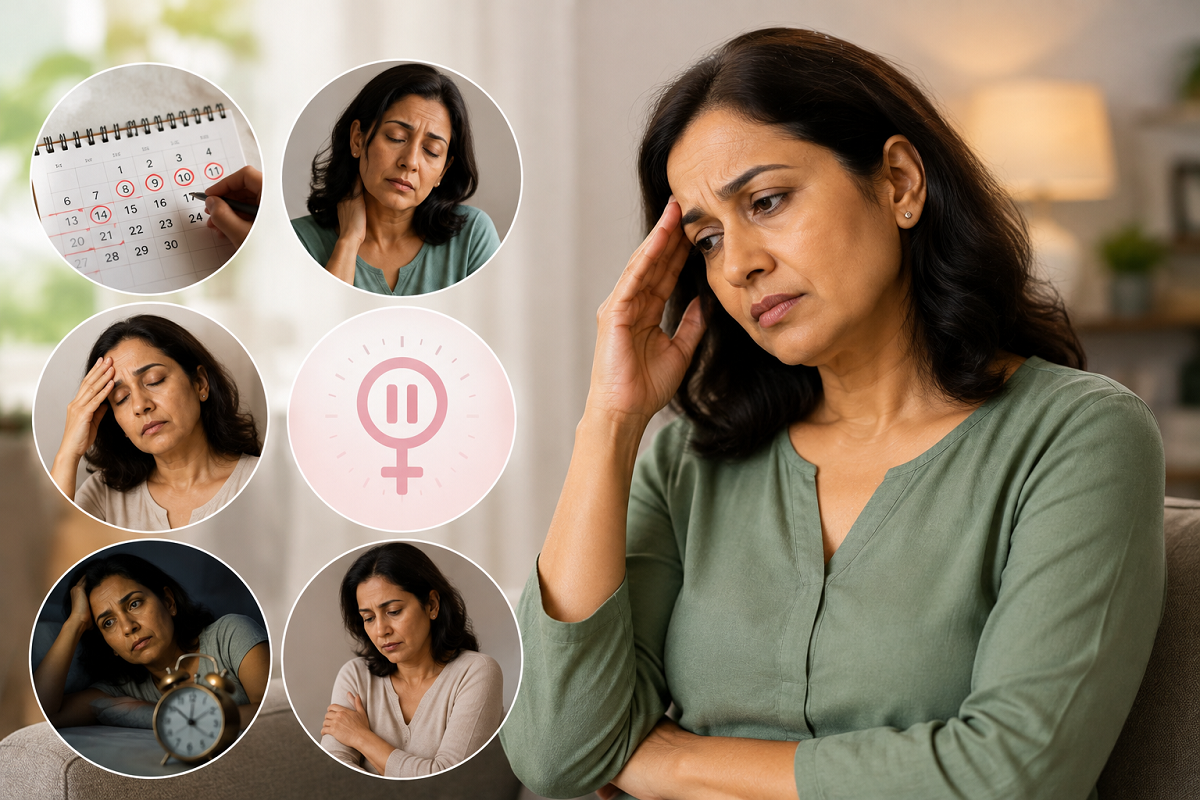
Menopause is a natural stage in a woman's life, but the transition does not usually happen overnight. Before menstrual periods stop permanently, many women go through a phase known as perimenopause, during which hormone levels fluctuate and changes in periods, sleep, mood and other aspects of health may appear.
Menopause is generally identified after a woman has gone 12 consecutive months without a menstrual period, provided there is no other medical explanation for the absence of periods. Perimenopause refers to the transitional period leading up to menopause.
During this phase, levels of hormones such as estrogen and progesterone can fluctuate. These hormonal changes can affect the menstrual cycle and may produce a range of physical and emotional symptoms.
However, the experience is highly individual. Some women have relatively minor symptoms, while others find that perimenopause significantly affects their daily routine and quality of life.
Irregular Periods Can Be an Early Sign
Changes in the menstrual cycle are among the most common signs associated with perimenopause.
A woman who previously had predictable periods may notice that her cycle becomes less regular. Periods may arrive earlier or later than expected, and the gap between menstrual cycles may sometimes become longer.
The amount of bleeding can also change. Some periods may be lighter than usual, while others can be heavier.
Although menstrual irregularity is common during the transition toward menopause, it should not automatically be assumed that every change in periods is caused by perimenopause.
Pregnancy, thyroid disorders, uterine fibroids, certain medications and other medical conditions can also affect menstrual cycles. Unusual or concerning bleeding therefore deserves medical evaluation.
Hot Flashes and Night Sweats May Occur
Hot flashes are another well-known symptom of the menopausal transition.
A hot flash can feel like a sudden wave of warmth, often affecting the face, neck and upper body. Some women may also experience sweating, flushing or a rapid heartbeat.
When similar episodes happen while sleeping, they are commonly called night sweats.
Frequent night sweats can interfere with sleep, potentially leaving a person tired or less energetic the following day.
The severity and frequency of these symptoms vary considerably. Some women experience occasional episodes, while others have symptoms often enough to disrupt work, sleep or daily activities.
Sleep and Mood Can Also Change
Perimenopause is not limited to menstrual changes.
Some women experience difficulty falling asleep, waking frequently during the night or feeling that their sleep is less refreshing than before.
Mood changes may also occur. Irritability, emotional fluctuations or difficulty concentrating can sometimes be reported during this period.
However, symptoms such as fatigue, poor concentration, anxiety or low mood can have many possible causes. They should not automatically be attributed to hormonal changes, particularly if they are severe or persistent.
If mood symptoms significantly interfere with daily life, discussing them with a healthcare professional is advisable.
Vaginal Dryness and Discomfort May Develop
Changes in estrogen levels can affect vaginal and urinary tissues.
Some women may experience vaginal dryness, irritation or discomfort during sexual activity. Urinary symptoms can also occur in some individuals.
These concerns are sometimes difficult to discuss, but they are common health issues for which treatment options are available.
Women experiencing persistent discomfort should consider speaking with a gynaecologist or another qualified healthcare professional rather than simply tolerating the symptoms.
Changes in Weight and Body Composition
Some women notice changes in their weight or body composition during midlife.
Hormonal changes may play a role, but they are not the only factor. Age-related changes in muscle mass, physical activity, sleep, diet and metabolism can all contribute.
Instead of relying on crash diets or supplements marketed specifically for “menopause weight loss,” focusing on sustainable nutrition and regular physical activity is generally a better strategy.
Healthy Habits Become Particularly Important in Midlife
The years surrounding menopause are a useful time to pay greater attention to long-term health.
A balanced diet containing adequate protein and appropriate sources of calcium can support overall nutrition. Regular physical activity is also important, including exercises that help maintain muscle strength and bone health.
Adequate sleep, stress management and avoiding tobacco are valuable at every age.
Women should also be mindful of cardiovascular and metabolic health. Depending on age, personal risk factors and medical advice, this can include monitoring blood pressure, cholesterol, blood sugar and weight.
Routine health screenings should continue according to individual medical recommendations.
Does Every Woman Need Hormone Therapy?
No. Experiencing perimenopause does not automatically mean that hormone therapy is necessary.
Treatment depends on the type and severity of symptoms, medical history, personal preferences and individual risks and benefits.
For some women with bothersome menopausal symptoms, hormone therapy may be an appropriate option after medical evaluation. For others, different treatments or lifestyle measures may be more suitable.
Women should avoid starting hormonal products or supplements simply because they are experiencing irregular periods or other suspected perimenopausal symptoms.
A healthcare professional can help determine whether treatment is needed and which option is appropriate.
When Should You Consult a Doctor?
Some changes in menstrual cycles can be expected during perimenopause, but certain symptoms should not be ignored.
Seek medical advice if bleeding becomes unusually heavy, occurs very frequently, lasts much longer than expected or otherwise seems significantly different from your usual pattern.
Importantly, any vaginal bleeding after menopause—after 12 consecutive months without a period—should be medically evaluated.
Women should also consult a healthcare professional if symptoms such as hot flashes, sleep disturbances, vaginal discomfort or mood changes become severe enough to affect everyday life.
Perimenopause Is a Transition, Not a Disease
Perimenopause is a natural biological transition before menopause rather than an illness in itself. However, that does not mean uncomfortable or unusual symptoms should simply be ignored.
Understanding changes in periods, hot flashes, night sweats, sleep, mood and vaginal health can help women recognise what may be happening and seek appropriate support when necessary.
Not every woman will have the same experience, and not every symptom in the late 30s, 40s or 50s is necessarily caused by perimenopause.
Accurate information, appropriate medical evaluation and healthy lifestyle habits can make the transition through perimenopause and menopause easier to understand and manage.