Technology
NPCI UPI Safety Tips for Diwali 2026: Follow These 5 Rules to Avoid Online Payment Fraud During Festive Shopping
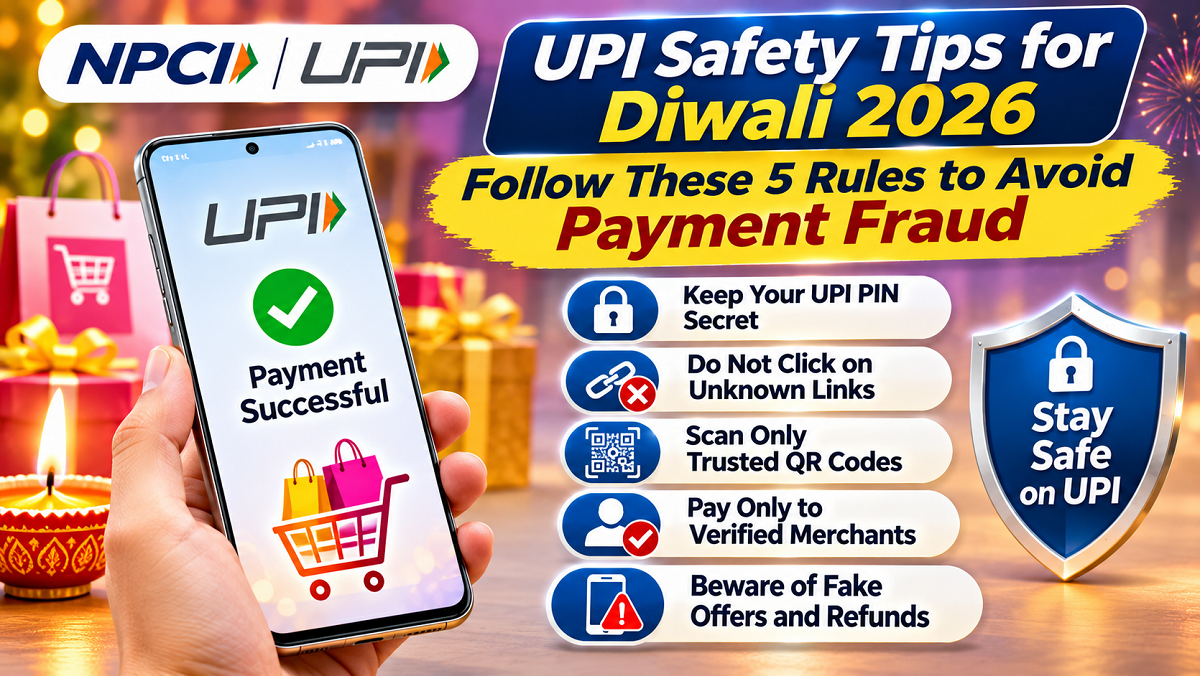
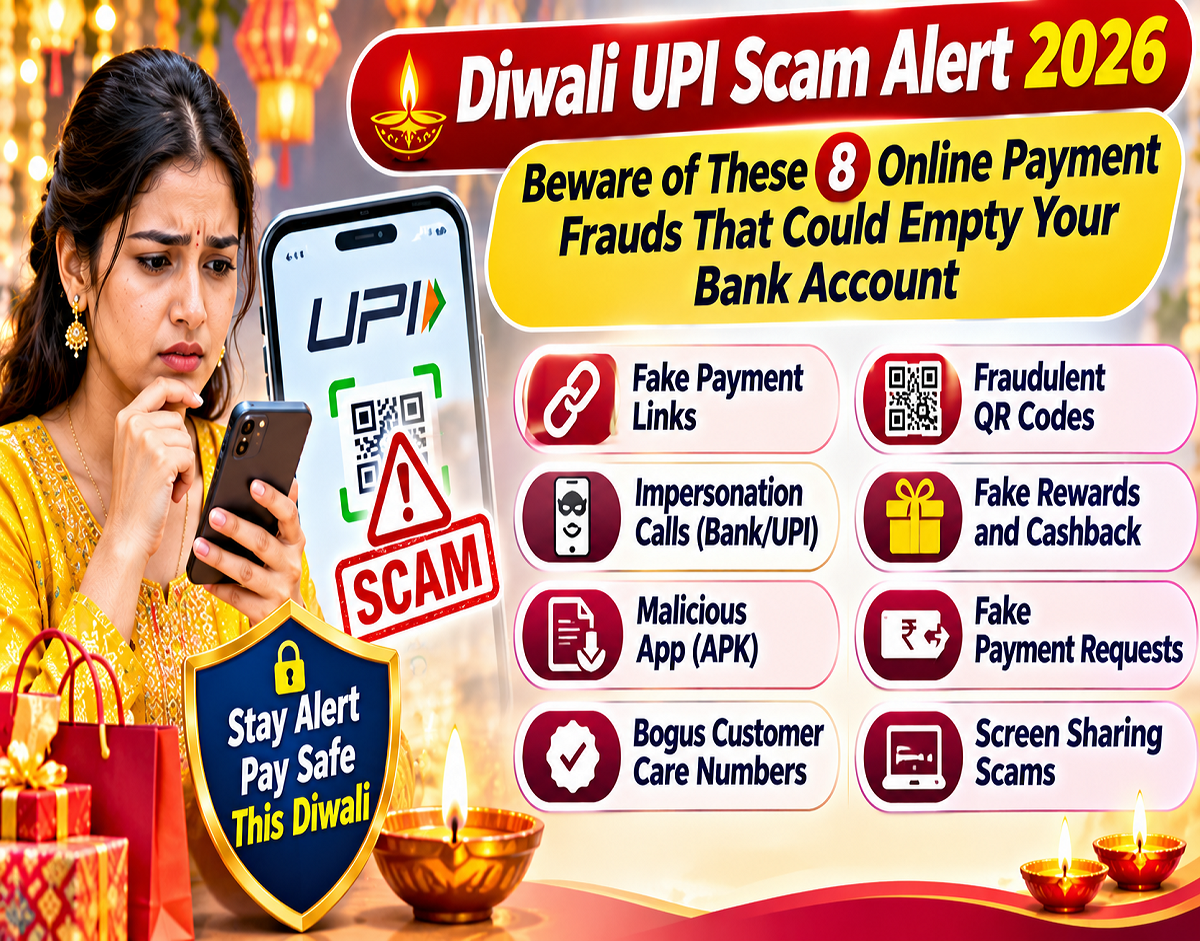
UPI Fraud Prevention Tips 2026: Dhanteras and Diwali are among India's busiest shopping occasions, with millions of consumers purchasing jewellery, electronics, clothing, household appliances and festive gifts. As digital transactions become increasingly popular, UPI payments, mobile banking and online shopping apps have made festive purchases faster and more convenient.
However, the festive shopping season can also create opportunities for cybercriminals. Fraudsters may attempt to deceive customers through fake discount offers, cashback messages, fraudulent payment links and calls impersonating bank officials.
To help consumers protect their money, the National Payments Corporation of India (NPCI) has highlighted five important digital payment safety precautions.
According to a Prabhat Khabar report published on November 5, 2026, following these simple precautions can help customers identify suspicious payment requests and reduce the risk of financial fraud.
Why Does Online Payment Fraud Become a Concern During Diwali?
During the festive season, retailers and e-commerce platforms frequently introduce special sales, promotional discounts and cashback offers.
Customers may receive numerous shopping-related messages through SMS, WhatsApp, email and social media.
Cybercriminals sometimes exploit this environment by creating fake promotional campaigns that appear to come from well-known companies.
For example, a fraudulent message may promise a substantial cashback reward or an expensive gift in exchange for clicking a link.
Such links may redirect users to imitation websites designed to collect personal or banking information.
Some scams may also attempt to persuade customers to install malicious applications or authorise payments.
The risk becomes greater when customers make financial decisions quickly without checking the authenticity of the message or transaction.
NPCI's 5 Important UPI Safety Tips for Dhanteras and Diwali
Targobank warnt vor aktueller SMS-Phishing-Welle
1. Avoid clicking unknown shopping links
Fraudsters may circulate fake festive offers through SMS, WhatsApp and social media. Instead of opening unfamiliar links, visit the retailer's official website or app directly.
2. Never share OTPs or UPI PINs
Do not disclose banking OTPs, UPI PINs or account passwords to anyone, including callers claiming to represent your bank or a payment service.
3. Verify cashback and free-gift offers
Be cautious of unexpected prizes or unusually generous cashback promises. Check promotional offers through official company channels before responding.
4. Check payment details before sending money
Always review the recipient's displayed name, UPI ID and payment amount before approving a transaction. Do not proceed if the details look unfamiliar or incorrect.
5. Do not make payments under pressure
Scammers may threaten to block your bank account or insist that you transfer money immediately. End the conversation and independently verify the claim through official support channels.
Important UPI Rule: You Do Not Need a PIN to Receive Money
One of the most useful digital payment safety precautions is understanding when a UPI PIN is required.
A UPI PIN is generally used to authorise outgoing payments and certain other sensitive transactions.
You do not need to enter your UPI PIN simply to receive money into your bank account.
Fraudsters may claim that customers must enter a PIN to collect a cashback reward, receive a refund or accept a prize.
Such requests should be treated with suspicion.
Similarly, customers should carefully examine UPI collect requests before approving them.
Approving a payment request may result in money being debited from the account.
Fake Cashback and Gift Offers: How Scammers Target Customers
Festive shopping promotions are a common theme in online fraud attempts.
A message might claim that the recipient has won a smartphone, received a special cashback reward or qualified for an exclusive Diwali gift.
The message may ask the customer to click a link, enter banking details or make a small payment to claim the reward.
In some cases, the fraudster may create a fake website that closely resembles a legitimate shopping platform.
Consumers should remember that an attractive offer does not automatically establish its authenticity.
Before participating in any promotion, verify the offer directly through the retailer's official application or website.
QR Code Fraud: What Customers Should Know
QR codes are widely used for digital payments at shops, restaurants and other businesses.
They can make transactions convenient, but customers should understand how they work.
Scanning a QR code typically helps initiate a payment or retrieve payment information.
Fraudsters may misuse QR codes by claiming that scanning one and entering a UPI PIN is necessary to receive money.
Customers should avoid scanning unfamiliar codes sent by strangers for the purpose of collecting refunds or prizes.
Before confirming a QR-based payment, always check the displayed merchant or recipient details and the amount.
What to Do If You Accidentally Send Money to a Fraudster
If you suspect that you have been cheated through a UPI transaction, take action immediately.
Emergency Steps After Suspected UPI Fraud
Contact your bank immediately through its official helpline or app.
Report the suspected cyber fraud by calling 1930.
Submit a complaint through the National Cyber Crime Reporting Portal.
Save transaction IDs, screenshots, messages and relevant payment details.
Change compromised passwords or PINs and follow your bank's security instructions.
0 of 5 steps completed
Reset
Cyber Fraud Helpline: 1930
National Cyber Crime Reporting Portal
Reporting promptly may improve the chances of limiting losses, but recovery is not guaranteed.
Can Banks Refund Money Lost Through UPI Fraud?
Whether a customer is entitled to reimbursement depends on the circumstances of the transaction and applicable banking rules.
The Reserve Bank of India has established customer liability principles for certain unauthorised electronic banking transactions.
However, a transaction personally authorised by a customer after being deceived may involve different considerations from a transaction carried out without the customer's authorisation.
Customers should immediately notify their bank and follow the formal dispute-resolution process.
Delaying a report may complicate the investigation and recovery process.
How to Keep Your UPI Account Safe During Diwali Shopping
Consumers should use trusted payment applications and keep their smartphones updated.
They should also enable appropriate device security features, such as a screen lock and biometric authentication where supported.
Avoid installing payment applications from unofficial websites or links received through messages.
Customers should regularly review their bank transaction alerts and report unfamiliar debits.
It is also advisable to avoid sharing sensitive banking information over calls or messages, even when the sender claims to be a bank representative.
NPCI's Message: Stop, Think and Then Pay
The central message of the reported NPCI safety guidance is straightforward: do not rush while making digital payments.
Taking a few seconds to inspect a payment request, verify a recipient or confirm the authenticity of an offer can help prevent avoidable mistakes.
Consumers should be particularly cautious when someone creates urgency, promises unrealistic rewards or threatens immediate financial consequences.
Legitimate banking and payment services should be accessed through verified channels rather than unsolicited links.
Conclusion
Dhanteras and Diwali shopping can involve numerous digital transactions, making payment security especially important.
NPCI's five safety recommendations focus on avoiding unknown links, protecting OTPs and PINs, verifying promotional offers, checking transaction details and resisting pressure from suspicious callers.
Customers should also remember that a UPI PIN is not required to receive money.
If financial fraud occurs, immediately contact your bank and report the incident through the national cybercrime helpline at 1930.
A little caution while making mobile payments can help protect savings and make festive shopping safer.
Disclaimer: This article provides general digital payment safety information. Fraud reporting, bank liability and refund eligibility depend on applicable regulations and the circumstances of each case.