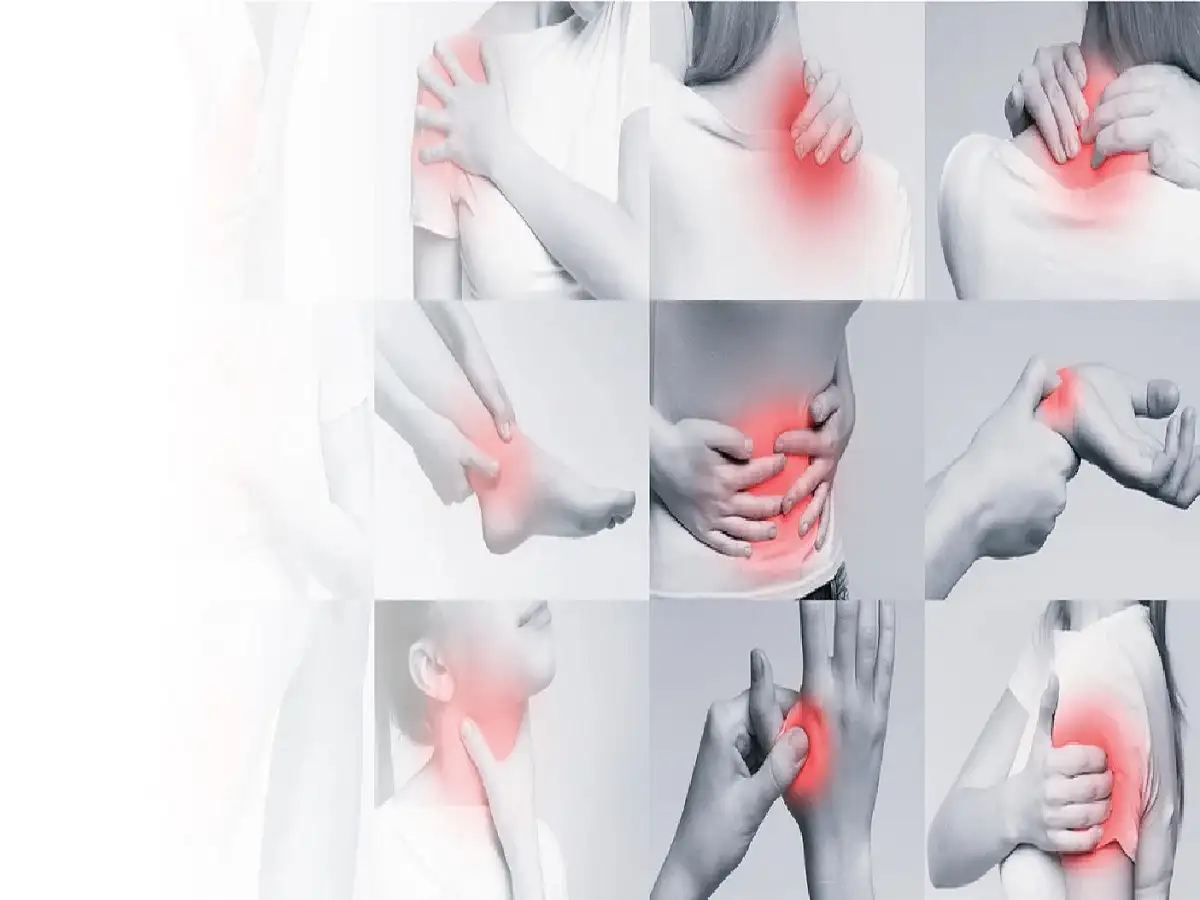
Joint Pain Causes: Joint pain is often associated with ageing, but younger adults can experience it too. Long hours at a desk, repetitive movements, strenuous workouts, sports injuries and certain underlying health conditions can all contribute to pain, stiffness or swelling around the joints.
Occasional discomfort after unusually intense physical activity may improve with adequate rest. However, joint pain that repeatedly returns, persists for several days or appears alongside swelling, redness or fever should not simply be ignored.
Understanding what may be causing the discomfort can help determine when basic self-care may be enough and when a medical evaluation is necessary.
Why Can Joint Pain Affect Younger People?
A joint is the point where two or more bones meet, allowing the body to move. Knees, hips, shoulders, wrists, elbows and ankles are among the joints that commonly experience pain.
In younger adults, joint discomfort may sometimes be linked to physical activity. Running, weight training, sports or repetitive work can place significant stress on joints and surrounding muscles, tendons and ligaments.
But exercise is not the only possible explanation. Inflammatory diseases, infections and metabolic conditions can also cause joint symptoms.
For this reason, persistent pain should be evaluated according to its duration, severity and accompanying symptoms rather than the person's age alone.
Sports Injuries, Sprains and Overuse
One of the most straightforward causes of joint pain in younger people is an injury.
A sudden fall, awkward movement, collision during sport or lifting an excessively heavy load can damage muscles, ligaments or tendons surrounding a joint. This may result in pain, swelling and restricted movement.
Overuse injuries can develop more gradually. Repeating the same movement for extended periods without sufficient recovery can irritate tissues around a joint.
People who suddenly increase workout intensity or begin a new exercise programme without adequate conditioning may also experience discomfort.
If pain begins after an injury and is severe, or if the joint cannot bear weight or move normally, medical assessment may be required.
Gout Can Cause Sudden and Severe Joint Pain
Gout is another potential cause of joint pain and should not be considered exclusively a condition affecting older adults.
It is a form of inflammatory arthritis associated with the accumulation of urate crystals in a joint. Attacks can cause sudden, intense pain accompanied by swelling, warmth and redness.
The big toe is a classic location, but gout can affect other joints as well.
Because several conditions can produce similar symptoms, sudden severe joint swelling should be medically evaluated rather than self-diagnosed as gout.
Rheumatoid Arthritis May Affect Multiple Joints
Rheumatoid arthritis is an autoimmune condition in which the immune system mistakenly attacks tissues associated with the joints.
It can lead to pain, swelling, stiffness and reduced mobility. Symptoms often involve more than one joint and may occur on both sides of the body.
Morning stiffness that lasts for a prolonged period can be an important symptom.
Rheumatoid arthritis can occur in younger and middle-aged adults. Early diagnosis is particularly important because treatment can help control inflammation and reduce the risk of progressive joint damage.
Persistent swelling or stiffness in several joints therefore deserves medical attention.
Osteoarthritis Is Not Limited to Old Age
Osteoarthritis is commonly associated with older people because its likelihood increases with age. However, younger individuals can develop it too, particularly after previous joint injuries or when a joint has been subjected to repeated stress.
The condition involves changes in cartilage and other structures within the joint.
Symptoms can include pain during or after movement, stiffness and reduced flexibility.
Previous injuries can increase the risk of osteoarthritis in the affected joint later in life. Maintaining healthy movement patterns and properly managing injuries can therefore be important for long-term joint health.
Tendinitis Can Feel Like Joint Pain
Sometimes pain that appears to come from a joint actually originates in the tissues surrounding it.
Tendinitis occurs when a tendon becomes irritated or inflamed. It is commonly associated with repetitive movement and overuse.
Shoulders, elbows, knees and heels are among the areas frequently affected.
Athletes and gym-goers may be particularly susceptible if training volume increases too rapidly or if the same movements are repeated without enough recovery.
Rest and appropriate rehabilitation may help many overuse problems, but persistent symptoms should be assessed to determine the exact cause.
Other Conditions May Also Trigger Joint Symptoms
Joint pain has a wide range of possible causes, which is why persistent symptoms should not automatically be labelled as arthritis.
Conditions such as lupus can cause inflammation affecting the joints. Fibromyalgia may produce widespread musculoskeletal pain and tenderness, although it does not damage joints in the same way as inflammatory arthritis.
Certain viral illnesses can also temporarily cause joint aches.
Some endocrine or metabolic conditions may contribute to muscle and joint-related symptoms as well. A healthcare professional may therefore consider other symptoms and, when appropriate, order tests before reaching a diagnosis.
When Is Joint Pain a Warning Sign?
Mild soreness after physical activity is different from a swollen, hot or severely painful joint.
Medical advice should be sought when joint pain persists, repeatedly returns or interferes with normal activities. Certain symptoms require more urgent attention.
These include significant swelling, redness, unusual warmth around the joint, fever, severe pain or an inability to move the joint normally.
A joint that appears visibly deformed after an injury also requires prompt medical assessment.
Sudden severe pain and swelling, particularly when accompanied by fever or illness, should not be ignored because infection within a joint is one possible cause and can require urgent treatment.
What Can You Do for Mild Joint Discomfort?
For mild discomfort clearly associated with temporary overuse, reducing the activity that triggered the pain may allow the affected tissues time to recover.
Avoid repeatedly exercising through significant pain. Returning to activity gradually is generally preferable to immediately resuming the same intensity.
Cold packs may sometimes help after an acute minor injury, while appropriate stretching and strengthening can be useful for certain musculoskeletal problems. However, the right approach depends on the cause.
People with persistent symptoms should avoid relying solely on painkillers or home remedies without determining why the pain is occurring.
Lifestyle Habits That Support Joint Health
Regular physical activity can help maintain muscle strength and joint function, but training should be increased progressively.
Warming up before demanding exercise, using appropriate technique and allowing adequate recovery between intense sessions may reduce the risk of overuse injuries.
Maintaining a healthy body weight can also reduce mechanical stress on weight-bearing joints such as the knees and hips.
A balanced diet, sufficient sleep and adequate recovery are important parts of overall musculoskeletal health as well.
Persistent Joint Pain Should Not Be Ignored
Joint pain in younger people can result from something as simple as an exercise-related strain, but it can also be associated with gout, inflammatory arthritis, tendinitis or another medical condition.
The pattern of symptoms often provides important clues. Pain that follows strenuous activity and improves with rest is different from recurring swelling, prolonged morning stiffness or a suddenly hot and painful joint.
If the discomfort continues, worsens or is accompanied by redness, swelling, warmth, fever, deformity or major loss of movement, seek medical advice rather than attempting to diagnose the problem yourself.
Disclaimer: This article is intended for general health information and does not replace professional medical diagnosis or treatment. Anyone experiencing severe, persistent or unexplained joint pain should consult a qualified healthcare professional.