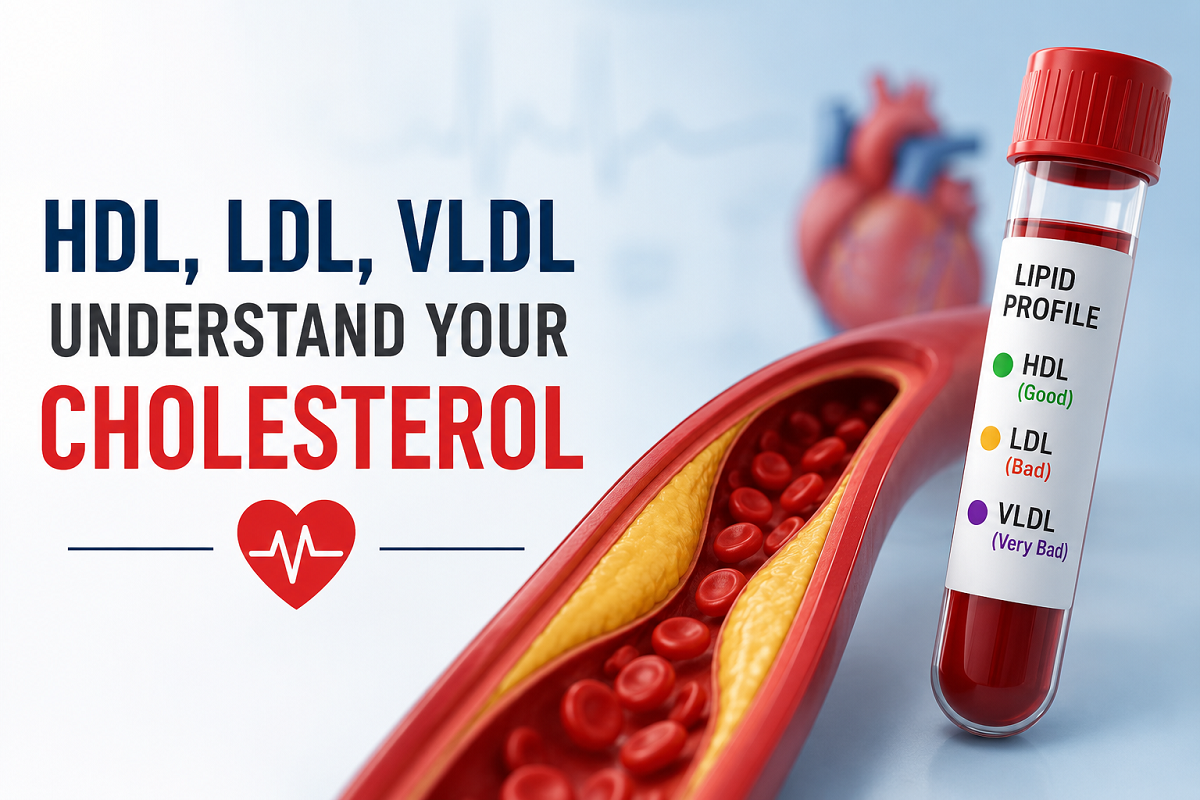
Cholesterol Levels Explained: Seeing a high LDL value on your blood report can be worrying, but experts say one number alone doesn't tell the full story. Understanding HDL, LDL, VLDL, and your cholesterol ratio can provide a clearer picture of your heart health and help you make informed lifestyle choices.
Why Looking Beyond LDL Matters
Many people panic after spotting elevated LDL cholesterol in their blood test results. However, doctors often evaluate several cholesterol markers together rather than focusing on a single value. HDL, LDL, VLDL, total cholesterol, and the cholesterol ratio all play an important role in assessing cardiovascular health.
A balanced lipid profile, along with healthy lifestyle habits, offers a more complete understanding of your risk for heart disease.
What Is Cholesterol?
Cholesterol is a waxy, fat-like substance that your body needs to build cells, produce hormones, and make vitamin D. The liver naturally produces cholesterol, while additional amounts come from foods such as meat, dairy products, and processed items.
Although cholesterol is essential for normal body functions, having unhealthy levels of certain types can increase the risk of cardiovascular disease over time.
Understanding the Different Types of Cholesterol
HDL (High-Density Lipoprotein) – Often Called "Good" Cholesterol
HDL helps remove excess cholesterol from the bloodstream and transports it to the liver, where it is processed and eliminated from the body. Higher HDL levels are generally associated with better heart health because they help reduce cholesterol buildup inside arteries.
LDL (Low-Density Lipoprotein) – Known as "Bad" Cholesterol
LDL carries cholesterol from the liver to different parts of the body. When LDL levels become too high, cholesterol may accumulate along artery walls, increasing the risk of narrowed arteries, heart disease, and stroke.
VLDL (Very Low-Density Lipoprotein)
VLDL mainly transports triglycerides, another type of fat found in the blood. High VLDL levels are also linked to an increased risk of cardiovascular disease, as VLDL particles can eventually contribute to the formation of LDL cholesterol.
What Is the Cholesterol Ratio?
The cholesterol ratio compares your total cholesterol with your HDL cholesterol. It is one of several indicators healthcare professionals may use to assess cardiovascular risk.
Formula
Cholesterol Ratio = Total Cholesterol ÷ HDL Cholesterol
For example:
- Total Cholesterol: 200 mg/dL
- HDL Cholesterol: 50 mg/dL
Calculation: 200 ÷ 50 = 4
In this example, the cholesterol ratio is 4:1.
What Cholesterol Ratio Is Generally Considered Healthy?
While interpretation may vary depending on age, sex, medical history, and overall health, these ranges are commonly used as a general guide:
- Below 3.5: Generally considered optimal.
- Around 4: Usually regarded as acceptable.
- Above 5: May indicate a higher risk of heart disease and warrants medical evaluation.
- Above 6: Often considered a significantly increased cardiovascular risk.
Healthcare providers interpret these values together with other health factors rather than relying on the ratio alone.
Typical Cholesterol Distribution
Some health resources describe the approximate distribution of cholesterol components as follows:
- HDL (Good Cholesterol): Around 20–30% of total cholesterol.
- LDL (Bad Cholesterol): Approximately 60–70% of total cholesterol.
- VLDL: Roughly 10–15% of total cholesterol.
However, doctors generally focus on the actual laboratory values (measured in mg/dL or mmol/L) rather than percentages when making treatment decisions.
Tips for Maintaining Healthy Cholesterol Levels
If your cholesterol levels are outside the recommended range, lifestyle changes can often make a positive difference. These include:
- Eat a balanced diet rich in fruits, vegetables, whole grains, and healthy fats.
- Reduce intake of foods high in saturated and trans fats.
- Exercise regularly, aiming for at least 150 minutes of moderate physical activity each week.
- Maintain a healthy body weight.
- Avoid smoking and limit alcohol consumption.
- Follow your doctor's advice regarding medications if prescribed.
The Bottom Line
A high LDL result does not automatically mean serious heart disease, but it should not be ignored either. Reviewing your complete lipid profile—including HDL, LDL, VLDL, total cholesterol, and the cholesterol ratio—provides a more accurate assessment of heart health. If your blood test shows abnormal values, consult a qualified healthcare professional to determine the most appropriate next steps based on your overall health and medical history.
Disclaimer: This article is for informational purposes only and should not be considered medical advice. Cholesterol levels should always be interpreted by a qualified healthcare professional, who can recommend appropriate testing, treatment, or lifestyle modifications based on individual health needs.