High cholesterol is a common health concern that can increase the risk of heart disease and stroke over time. Diet, physical activity, body weight, genetics, smoking, diabetes and several other factors can influence cholesterol levels. While food alone cannot solve every cholesterol problem, making healthier dietary choices can play an important role in managing it.
In particular, reducing saturated and trans fats while eating more soluble fibre and unsaturated fats can support healthier cholesterol levels. Oats, walnuts and garlic are three foods that can be incorporated into a balanced diet, although their effects and the strength of evidence differ.
Importantly, people who have been prescribed cholesterol-lowering medicines should not stop or replace their treatment simply by adding these foods to their diet.
Understanding Good and Bad Cholesterol
Before changing your diet, it helps to understand what cholesterol numbers mean.
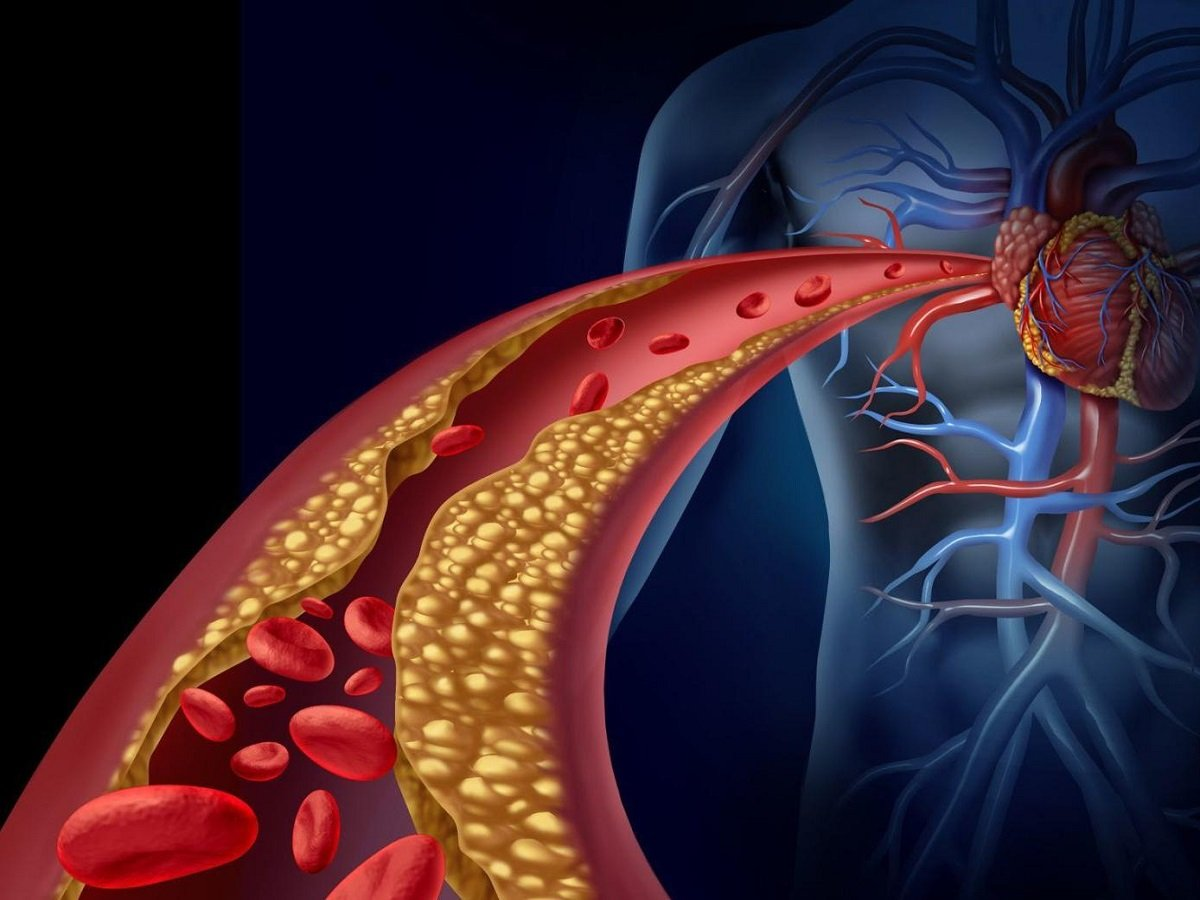
Cholesterol is a waxy substance that the body needs for several essential functions. The problem arises when certain blood lipid levels become unhealthy.
Low-density lipoprotein, commonly known as LDL or "bad" cholesterol, can contribute to plaque buildup inside arteries when levels are too high. Over time, this may increase cardiovascular risk.
High-density lipoprotein, or HDL, is often called "good" cholesterol because it helps transport cholesterol back to the liver.
Triglycerides are another type of blood fat that is typically evaluated alongside cholesterol.
A lipid profile blood test can provide information about these levels.
1. Oats: A Fibre-Rich Choice for Cholesterol Management
Oats are among the better-known foods associated with cholesterol management because they contain beta-glucan, a type of soluble fibre.
When consumed, soluble fibre forms a gel-like substance in the digestive tract. This process can help reduce the absorption and reabsorption of cholesterol-related compounds, contributing to lower LDL cholesterol when oats are eaten regularly as part of an appropriate diet.
Oatmeal can be combined with fruits, seeds or nuts for a nutrient-rich breakfast. When choosing packaged oats, check the label for added sugar, as flavoured instant varieties can sometimes contain substantial amounts.
The benefits of oats are not based on a single serving. Consistency and the overall quality of the diet remain important.
2. Walnuts Provide Beneficial Unsaturated Fats
Walnuts can also fit well into a heart-friendly eating pattern.
They contain predominantly unsaturated fats, including polyunsaturated fatty acids, as well as fibre, plant protein and other nutrients.
Replacing foods rich in saturated fat with sources of unsaturated fat can help improve blood cholesterol levels.
This distinction matters. Simply adding large quantities of walnuts to an already high-calorie diet is not necessarily beneficial. A better strategy could be replacing less healthy snacks, such as some fried or highly processed foods, with a modest portion of unsalted walnuts.
Nuts are calorie-dense, so portion size should still be considered, particularly for people trying to manage their overall energy intake or body weight.
3. Garlic May Offer Modest Benefits
Garlic has been used in food and traditional health practices for centuries.
Fresh garlic contains sulfur-containing compounds, including substances formed when garlic is chopped or crushed. These compounds have been investigated for possible cardiovascular effects.
Some research suggests that garlic preparations may produce modest improvements in cholesterol levels in certain people, but results are not consistent enough to consider garlic a replacement for established cholesterol treatment.
Garlic can still be a useful ingredient in a heart-conscious diet. It adds flavour to meals and may help people reduce their reliance on excessive salt, butter or calorie-heavy sauces.
Do You Need to Eat Raw Garlic on an Empty Stomach?
Claims that raw garlic must be eaten on an empty stomach to lower cholesterol should be approached cautiously.
There is no need for everyone to consume raw garlic first thing in the morning to obtain potential health benefits.
In fact, eating raw garlic can cause heartburn, stomach irritation, nausea or digestive discomfort in some individuals.
Garlic can simply be incorporated into regular meals. People taking blood-thinning medicines or those with certain medical conditions should discuss substantial garlic supplementation with a healthcare professional because concentrated amounts may not be appropriate for everyone.
Diet Changes Should Go Beyond Three Foods
No single food can "clean" cholesterol from the arteries or guarantee protection against heart disease.
A cholesterol-friendly eating pattern generally involves multiple changes. Eating more vegetables, fruits, whole grains, pulses, beans, nuts and seeds while limiting foods high in saturated or trans fats can make a bigger difference than focusing on one so-called superfood.
Physical activity is another important part of cardiovascular health. Maintaining an appropriate body weight, avoiding tobacco and managing conditions such as diabetes and high blood pressure can also influence overall heart risk.
High Cholesterol Often Has No Obvious Symptoms
One reason high cholesterol deserves attention is that it usually does not produce noticeable symptoms.
A person may feel completely healthy while having elevated LDL cholesterol.
A blood test is therefore the appropriate way to determine cholesterol levels rather than relying on physical symptoms.
How frequently cholesterol should be tested depends on factors such as age, previous results, family history and cardiovascular risk.
Food Helps, but Medication May Still Be Necessary
Lifestyle improvements can significantly contribute to cholesterol management, but they are not always sufficient.
Genetics can strongly influence cholesterol levels, and some people remain at high cardiovascular risk despite following a healthy lifestyle.
Doctors may recommend statins or other cholesterol-lowering medicines depending on LDL levels and the person's overall risk of heart attack or stroke.
Prescribed medication should not be discontinued because cholesterol improves after dietary changes unless a healthcare professional recommends doing so.
The Bottom Line
Oats, walnuts and garlic can all be included in a balanced, heart-friendly diet, but they should be viewed as components of a broader lifestyle rather than quick remedies.
Oats stand out for their soluble beta-glucan fibre, walnuts provide beneficial unsaturated fats, and garlic may offer modest cardiovascular benefits while adding flavour to healthy meals.
For people with high cholesterol, the most effective approach is to combine sensible dietary choices with regular activity and appropriate medical care based on individual cardiovascular risk.