
Health
H1N1 Cases Rise in Delhi-NCR: Know Who Faces Higher Risk and the Warning Signs That Need Medical Attention
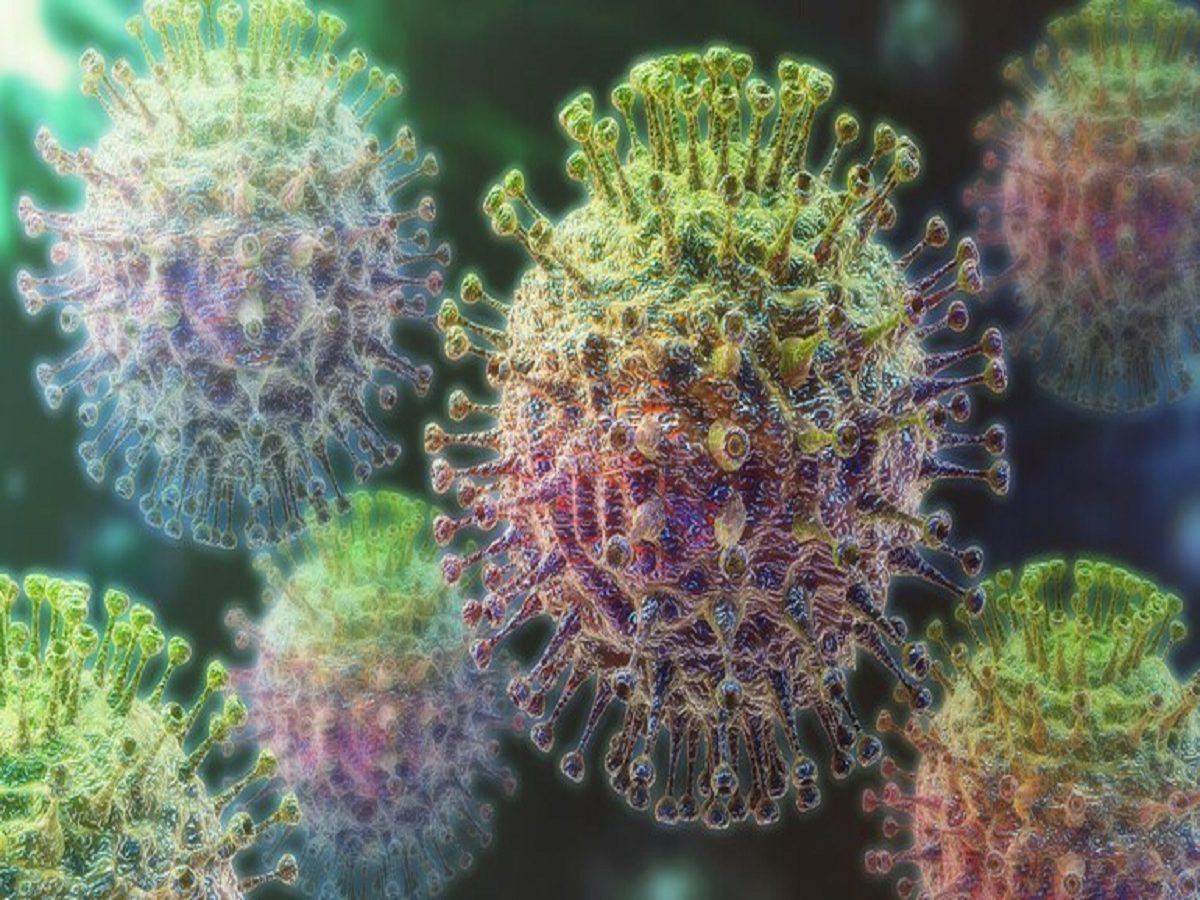
Cases of H1N1 influenza, commonly known as swine flu, have increased sharply in Delhi-NCR and several other parts of the country, putting renewed attention on the seasonal respiratory infection. While most people infected with the virus recover without serious complications, H1N1 can become severe in certain high-risk groups.
The source report states that Delhi-NCR recorded 1,777 swine flu cases during July-August 2026, compared with 229 cases during the corresponding period in 2025.
Meanwhile, the death of a 62-year-old woman in Ujjain, Madhya Pradesh, after testing positive for H1N1 has also raised concerns. However, health authorities are investigating the case, and a positive H1N1 report alone does not establish that influenza was the direct cause of her death.
With cases rising, understanding the symptoms, possible complications and high-risk groups can help people know when medical attention may be necessary.
What Exactly Is H1N1 or Swine Flu?
H1N1 is a type of Influenza A virus that causes respiratory illness.
The A(H1N1)pdm09 strain was responsible for the 2009 influenza pandemic. It subsequently became established as one of the influenza viruses that circulate seasonally.
The infection primarily affects the respiratory tract, including the nose, throat and lungs. In some people, particularly those at higher risk of complications, the illness can become severe.
H1N1 can spread from an infected person to others through respiratory particles released while coughing, sneezing, talking or breathing.
This is one reason respiratory infections can spread quickly in crowded or poorly ventilated environments.
What Are the Common Symptoms of H1N1?
H1N1 symptoms can resemble those caused by other seasonal influenza viruses.
Common symptoms can include sudden fever, dry cough, sore throat, runny or blocked nose, headache, fatigue, muscle aches and general body pain.
Some patients may also experience gastrointestinal problems such as vomiting or diarrhoea.
Because these symptoms overlap with several other respiratory illnesses, it may not always be possible to determine the exact infection from symptoms alone. A healthcare professional can decide whether testing or specific treatment is required.
How Long Does H1N1 Usually Last?
Most people with uncomplicated influenza recover in approximately a week, although symptoms such as cough and tiredness can sometimes persist for longer.
However, recovery time can vary depending on the person's age, general health, immune status and severity of infection.
Some patients can develop complications and may require closer medical monitoring or hospital treatment.
There is also no fixed sequence of "stages" through which every H1N1 patient progresses. The illness can affect different people differently.
H1N1 Can Sometimes Lead to Pneumonia
One of the more serious complications associated with influenza is pneumonia.
If the infection significantly affects the lungs, inflammation and fluid accumulation can interfere with the body's ability to receive enough oxygen.
A patient may then experience increasing breathlessness and require hospital treatment. Depending on the severity, oxygen support may be needed, while critically ill patients may require intensive respiratory support.
Another warning pattern can occur when someone initially begins to recover but then becomes ill again.
For example, if fever or cough improves and subsequently returns or becomes significantly worse, medical assessment may be necessary. In some situations, a secondary bacterial infection such as bacterial pneumonia can develop after influenza.
Who Is More Likely to Develop Severe H1N1?
Anyone can become infected with influenza, and serious illness is possible even in otherwise healthy people. However, certain groups have a greater risk of developing complications.
People who may need extra caution include:
- Adults aged 65 years and above
- Children younger than 5 years
- Pregnant women
- People with asthma or chronic lung disease
- Those living with heart, kidney or liver conditions
- People with diabetes
- Individuals with certain neurological conditions
- Cancer patients and people undergoing chemotherapy
- People with weakened immune systems
- Individuals living with multiple chronic health conditions
People in these groups should consider seeking medical advice promptly if they develop influenza-like symptoms, particularly when symptoms are worsening.
Which Warning Signs Should Not Be Ignored?
Most cases of influenza do not become medical emergencies. However, worsening symptoms should not simply be dismissed as an ordinary fever.
Difficulty breathing is one of the most important warning signs.
Persistent pain or pressure in the chest or abdomen may also require urgent medical assessment.
Other concerning symptoms can include severe dizziness, confusion, seizures, extreme weakness and significantly reduced urination.
Another potentially important sign is when fever or cough returns or worsens after appearing to improve.
Anyone experiencing severe or rapidly worsening symptoms should seek appropriate medical care rather than attempting to manage the illness entirely at home.
High-Risk Patients Should Contact a Doctor Early
People who are at greater risk of severe influenza should speak with a healthcare professional soon after symptoms begin.
Doctors may prescribe antiviral medication when appropriate. Antiviral treatment tends to provide the greatest benefit when started early in the course of influenza, although treatment decisions depend on the individual patient's circumstances.
People should avoid taking prescription antiviral medicines without medical advice.
A doctor can determine whether treatment is necessary based on symptoms, age, underlying health conditions and the severity of the infection.
What Happened in the Ujjain Case?
The report also refers to the death of a 62-year-old woman from Ujjain who had tested positive for H1N1.
She was receiving treatment at a private hospital in Indore and reportedly returned home on August 18 against medical advice. She died in Ujjain the following day.
The Madhya Pradesh health department subsequently initiated an investigation and formed an expert team to examine her treatment records and medical condition.
It is important to distinguish between testing positive for a virus and establishing the precise cause of death. The investigation is intended to determine the circumstances and medical cause rather than assuming that the positive H1N1 test alone explains the death.
How Can You Reduce the Risk of H1N1?
Basic respiratory hygiene can help reduce the risk of influenza transmission.
Annual influenza vaccination is an important preventive measure, particularly for people who have a greater likelihood of severe disease.
Regular hand hygiene is also useful, especially after coughing, sneezing or touching frequently used surfaces.
Covering the mouth and nose while coughing or sneezing and limiting close contact with people who are unwell can further reduce transmission.
People experiencing flu-like illness should also take reasonable precautions to avoid unnecessarily exposing others.
When Should You Seek Urgent Medical Help?
Not every fever or cough requires emergency treatment. However, the situation changes when a person's condition deteriorates.
Breathing difficulty, persistent chest pain, confusion, seizures or extreme weakness should be taken seriously.
People should also seek medical advice when symptoms improve and then suddenly return or worsen.
High-risk individuals—including older adults, young children, pregnant women and people with chronic medical conditions or weakened immunity—may need medical advice earlier in the course of illness.
The Bottom Line
H1N1 is now one of the influenza viruses that circulates seasonally, but it can still cause serious illness in some people.
The reported increase in cases in Delhi-NCR makes awareness particularly important. Common symptoms include fever, cough, sore throat, runny nose, headache, tiredness and body aches. Most patients recover, but influenza can occasionally lead to serious complications such as pneumonia.
Adults over 65, children below five, pregnant women, people with chronic heart, lung, kidney, liver or neurological conditions, those with diabetes, cancer patients and individuals with weakened immunity may face a higher risk of severe illness.
If flu symptoms are worsening—especially if there is breathing difficulty, persistent chest pain, confusion, seizures, severe weakness or a return of fever after initial improvement—medical attention should not be delayed.
Disclaimer: This article is for general health awareness only and is not a substitute for professional medical diagnosis or treatment. People experiencing severe or worsening symptoms should consult a qualified healthcare professional.