Business
EPF Passbook Check: Is Your Employer Depositing PF Every Month? Know the 15th-Date Rule and Online Steps
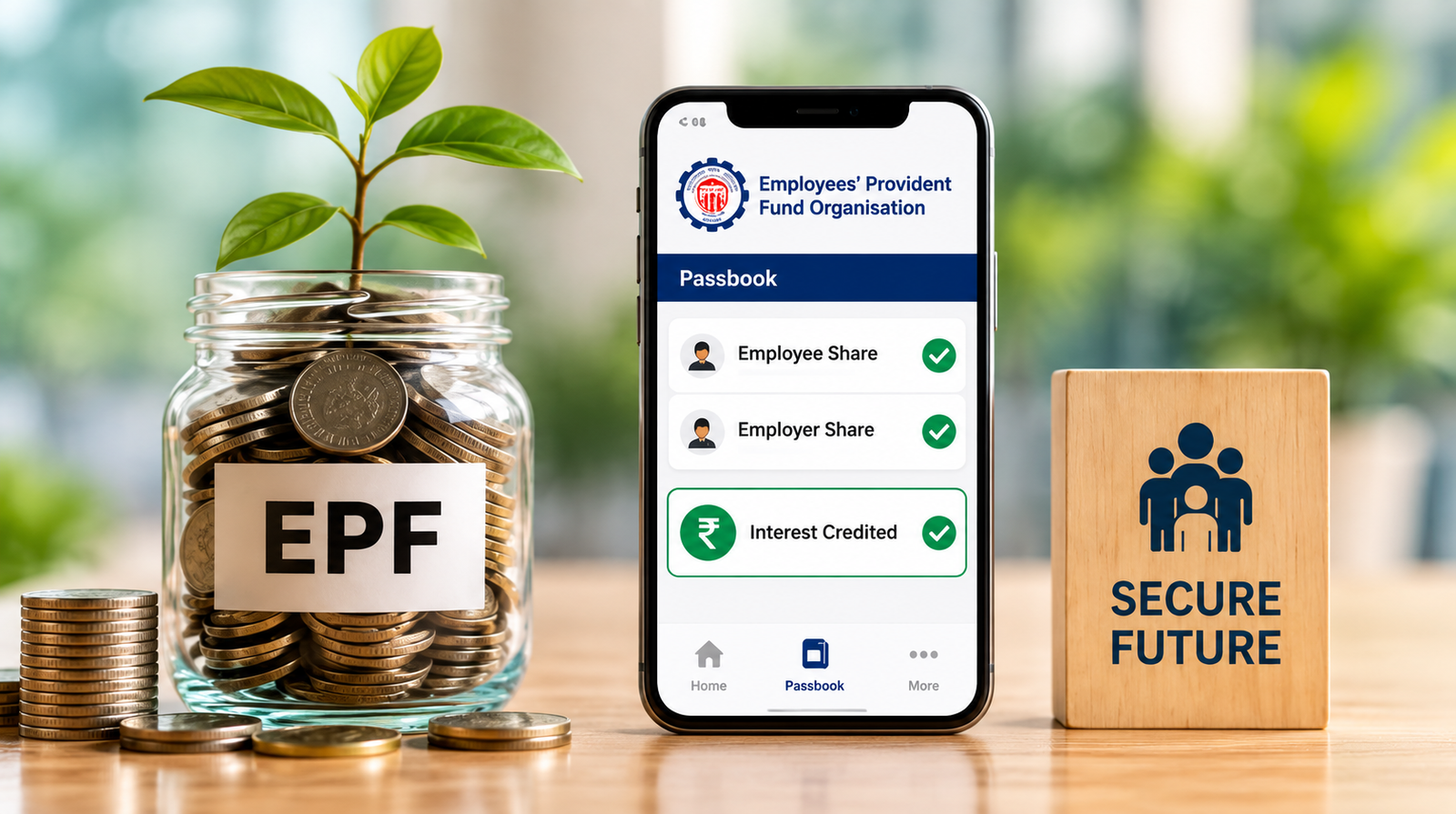
If Provident Fund is deducted from your salary every month, you may assume that the money has automatically reached your EPF account. However, seeing a PF deduction on your salary slip is not enough. Employees should also check whether the contribution has actually been deposited with the Employees' Provident Fund Organisation (EPFO).
Your EPF passbook provides a record of contributions credited under your Universal Account Number (UAN). By checking it periodically, you can compare the entries with your salary slips and identify a missing contribution before it becomes a bigger problem.
According to the supplied report, employees should consider checking their e-passbook every two to three months to ensure that employee, employer and pension-related contributions are being properly reflected.
There is also an important deadline employees should know: the report states that an employer is required to deposit the applicable PF contribution within 15 days after the end of the month. For example, the contribution relating to April should be deposited by May 15.
Here's what employees should check and what they can do if a contribution appears to be missing.
Why Checking Your EPF Passbook Is Important
For many salaried employees, PF is a major part of long-term retirement savings.
Every month, the salary slip may show an amount deducted toward PF. But the salary slip primarily tells you that the deduction has been made from your salary. The EPF passbook helps you verify the contribution record maintained under your PF membership.
Checking the passbook regularly can help you identify discrepancies while you are still working with the employer rather than discovering them years later.
The report warns that unresolved discrepancies can create difficulties when an employee changes jobs, transfers PF or eventually makes retirement and pension-related claims.
What Should You Check in Your EPF Passbook?
The easiest approach is to keep your salary slips and EPF passbook together and compare the entries month by month.
Suppose PF was deducted from your April salary. You should verify whether the corresponding April contribution appears in your passbook.
Don't check only your own contribution.
The supplied report advises employees to review the employee contribution, employer contribution and the EPS or pension-related component reflected in the record.
This monthly comparison can make it easier to identify a missing or incorrect entry.
EPF 15th-Date Rule: When Should the Employer Deposit PF?
This is one of the most important rules highlighted in the report.
According to the article, employers are required to deposit the applicable employee PF deduction along with their contribution within 15 days after the end of the month.
The example given is straightforward:
April PF contribution → Deposit by May 15
Employees should therefore not necessarily expect a contribution to appear in the passbook on the same day their salary is credited.
The report notes that processing or server-related delays can sometimes mean that an entry takes a few additional days to become visible.
Missing Entry Doesn't Always Mean Your Employer Has Defaulted
If a PF entry does not appear immediately, there is no need to assume something is wrong.
Technical processing can take time.
A more significant warning sign is when contributions for later months begin appearing but an older month's entry continues to remain missing.
For example, if May and June contributions appear in the passbook but April remains absent, the employee should investigate the discrepancy rather than continuing to wait indefinitely.
How to Check EPF Passbook Online
The report describes three ways employees can check their PF balance or contribution records from home.
| Method | What You Can Do |
|---|---|
| EPFO Member Passbook Portal | Log in using UAN and password and select the relevant Member ID |
| Passbook Lite | View a simplified summary of deposits, withdrawals and balance |
| UMANG App | Access PF passbook and balance services through a smartphone |
Employees who have worked for multiple organisations should pay particular attention to the Member ID selected.
The report explains that a person who has changed jobs can have multiple Member IDs linked to the same UAN. To check the contribution from a particular employer, the corresponding Member ID needs to be selected.
How to Check Through the EPFO Member Passbook Portal
Employees can use the EPFO member passbook facility to review their contribution details.
The basic process described in the source is simple:
- Open the official EPFO passbook facility.
- Log in using your UAN and password.
- Select the appropriate Member ID.
- Open the passbook.
- Compare monthly entries with your salary slips.
- Check the employee, employer and pension-related entries.
If you have changed employers, make sure you are checking the correct Member ID before concluding that a contribution is missing.
What Is EPFO Passbook Lite?
The report also mentions Passbook Lite, a feature intended to provide members with a simpler view of their PF information.
Instead of going through detailed records every time, employees can use this facility to view a summary of deposits, withdrawals and balance.
It can be useful for a quick check, while employees who want to verify individual contribution entries should pay attention to the detailed records available for the relevant membership.
You Can Also Check PF Through the UMANG App
Employees who prefer using their smartphone can use the UMANG app to access PF-related services.
The report states that the app can be used to check the PF passbook and balance.
Whichever method you use, the objective remains the same: periodically verify that the contribution records correspond with your employment and salary information.
Changed Your Job? Don't Create a New UAN Unnecessarily
Job changes are another area where employees need to be careful.
According to the supplied report, when joining a new organisation, an employee should provide the existing UAN to the new employer rather than getting another UAN created.
Employees should also ensure that important personal details in their PF records—such as name, date of birth and KYC-related information—are correct and consistent.
Accurate records can help make PF transfers between employers smoother.
What to Do If Your PF Contribution Is Missing
If a contribution does not appear in the passbook, the report recommends a step-by-step approach.
First, check the salary slip and allow reasonable time for processing.
If the contribution still does not appear, contact the company's payroll or HR department and ask them to verify the deposit.
If PF has been deducted from the employee's salary but has not been deposited with EPFO, the report states that responsibility rests with the employer and that EPFO can take legal action against companies that fail to comply.
Employees should preserve relevant salary slips and other employment records so that discrepancies can be properly followed up.
Why You Shouldn't Wait Until Retirement to Check
A missing PF contribution may appear to be a small problem when it concerns only one month. But multiple unresolved entries over several years can create complications later.
The problem may surface when you are transferring PF after changing jobs or trying to deal with retirement-related benefits.
That is why the report recommends developing the habit of spending a few minutes checking the e-passbook every two or three months.
Finding a discrepancy early also gives an employee the opportunity to contact the current employer while records and payroll information are easier to access.
Bottom Line
A PF deduction shown on your salary slip should not be the end of your monthly PF check.
Employees should periodically open their EPF passbook and confirm that the appropriate employee contribution, employer contribution and EPS component are appearing against the correct Member ID.
The report highlights the important 15th-date rule, under which the applicable contribution is to be deposited within 15 days after the end of the relevant month. Some delay in the passbook display may occur because of processing, but an older contribution that remains missing even after later entries appear should be investigated.
Checking your EPF passbook every two or three months can take only a few minutes, but it may help you spot contribution problems long before they affect a PF transfer or retirement-related claim.