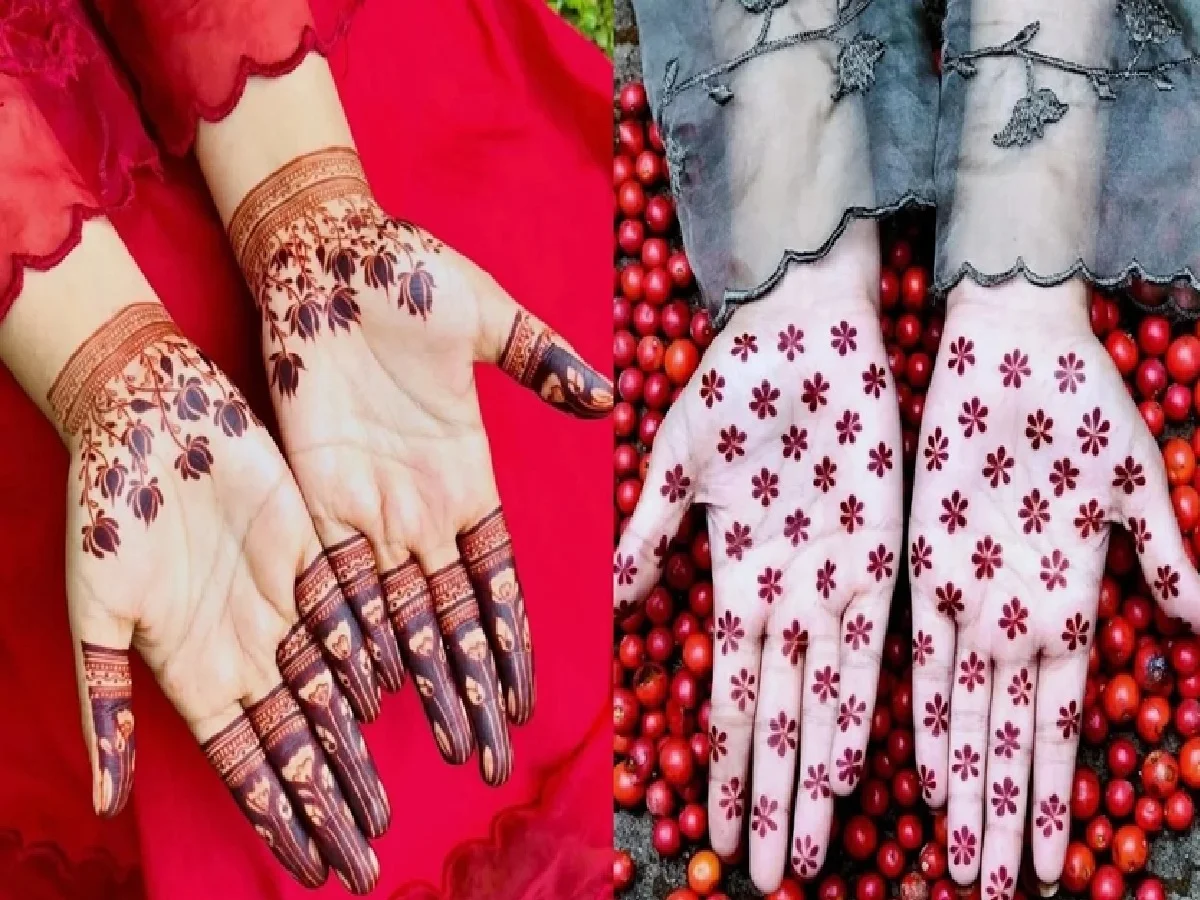
Applying mehndi (henna) is an important part of weddings, festivals and celebrations across India. From Teej and Raksha Bandhan to Karwa Chauth and wedding ceremonies, intricate henna designs are commonly applied to the hands.
However, once the mehndi is applied, a common question arises: Is it safe to eat food with mehndi-stained hands?
The answer depends largely on the type of henna used and whether any product residue remains on your hands. Natural henna and so-called "black henna" are not necessarily the same thing, and understanding the difference is important.
Is Natural Henna on Your Hands Dangerous?
Traditional henna is prepared from the leaves of the henna plant (Lawsonia inermis). The leaves are dried, powdered and mixed into a paste before being applied to the skin.
For most people, traditional henna used externally on intact skin does not cause serious problems. Therefore, having a natural henna stain on your hands does not automatically make eating with your hands dangerous.
However, that doesn't mean you should eat while wet henna paste is still sitting on your fingers.
Before handling food, the dried paste and any remaining residue should be removed and the hands should be cleaned properly.
The Henna Stain and Henna Paste Are Different
This distinction is particularly important.
After the dried henna paste has been removed, the orange-to-brown colour that remains is a stain in the outer layers of the skin. The stain itself is different from having fresh henna paste or other product residue sitting on your hands.
If you intend to eat with your fingers, basic hand hygiene remains important regardless of whether you have mehndi applied.
Wash or clean your hands appropriately before eating, paying particular attention to the fingertips, areas around the nails and spaces between the fingers.
Why "Black Henna" Requires Extra Caution
Products marketed as black henna deserve considerably more caution than traditional natural henna.
Some products sold as black or instant henna may contain para-phenylenediamine (PPD) or other ingredients designed to produce a darker colour quickly. PPD can cause significant skin reactions in some people.
Possible reactions can include redness, itching, burning, swelling, blistering and skin irritation.
For this reason, a product that creates an unusually dark or nearly black stain very quickly should not automatically be assumed to be natural henna.
Don't Assume Every Mehndi Cone Is Pure Henna
Commercial mehndi cones can contain additional ingredients such as dyes, preservatives, fragrances or other additives.
The exact composition varies considerably between products.
Before buying packaged mehndi, check the ingredient list and manufacturer information whenever available. Be particularly cautious with products that make claims such as "instant black," "super dark in minutes" or similar rapid-colour promises.
If the ingredients aren't clearly disclosed, avoiding the product may be the safer choice.
Can Mehndi Chemicals Get Into Food?
The practical concern is less about a properly developed henna stain and more about fresh paste or chemical residue being transferred from the fingers to food.
This can happen if someone begins preparing or eating food while mehndi is still wet or has not been properly removed.
Since henna products are intended primarily for external cosmetic use rather than consumption, fresh paste should be kept away from food, the mouth and other areas where accidental ingestion could occur.
The same principle applies while cooking. Avoid kneading dough, mixing food directly with your hands or handling ready-to-eat foods while fresh mehndi paste remains on the fingers.
What Should You Do Before Eating?
Once the mehndi has dried and you are ready to remove it, follow the product instructions. Make sure loose paste and other residue have been removed before handling food.
Pay special attention to the fingertips and areas around the nails, where dried material can sometimes remain trapped.
If the product instructions advise avoiding water temporarily to help the colour develop, you can use utensils for eating during that period rather than handling food directly with your fingers.
What If Your Skin Reacts to Mehndi?
A mild temporary feeling of dryness may occur after applying some products, but significant irritation should not simply be ignored.
Stop using the product if you develop persistent itching, burning, redness or swelling.
Seek medical attention if the reaction becomes severe, spreads significantly or causes blistering. Urgent medical care is appropriate if you develop symptoms of a serious allergic reaction, such as difficulty breathing or swelling involving the face, lips, tongue or throat.
Do not repeatedly apply the same product if it has previously caused a reaction.
Children Need Extra Attention
Extra care is sensible when applying cosmetic henna products to children.
Children may accidentally touch their mouths, rub their eyes or eat while product remains on their hands. Products with unknown ingredients or those marketed as instant black henna are best avoided.
If henna is being used, choosing a clearly labelled, reputable product and supervising its application can reduce unnecessary exposure.
Is Eating With Mehndi-Stained Hands Safe?
If traditional natural henna has completely dried, the paste has been removed and the hands are appropriately clean, simply having a henna stain on the skin is not generally a reason to avoid eating with your hands.
The greater concern is eating while fresh paste remains on the fingers or using products containing potentially irritating chemicals.
So, instead of worrying about the colour left behind by mehndi, focus on what product was used and whether your hands are clean before touching food.
The Bottom Line
Mehndi-stained hands do not automatically make your food unsafe. Traditional henna used appropriately is very different from some fast-colouring "black henna" products that may contain substances such as PPD.
Avoid handling food while henna paste is still wet, remove any residue properly, maintain good hand hygiene and be cautious about products with unclear ingredients.
If mehndi causes burning, severe itching, swelling, redness or blisters, stop using it and seek appropriate medical advice rather than assuming the reaction is normal.