Health
Eating Garlic Daily: 6 Potential Health Benefits, Best Ways to Add It to Your Diet and Precautions
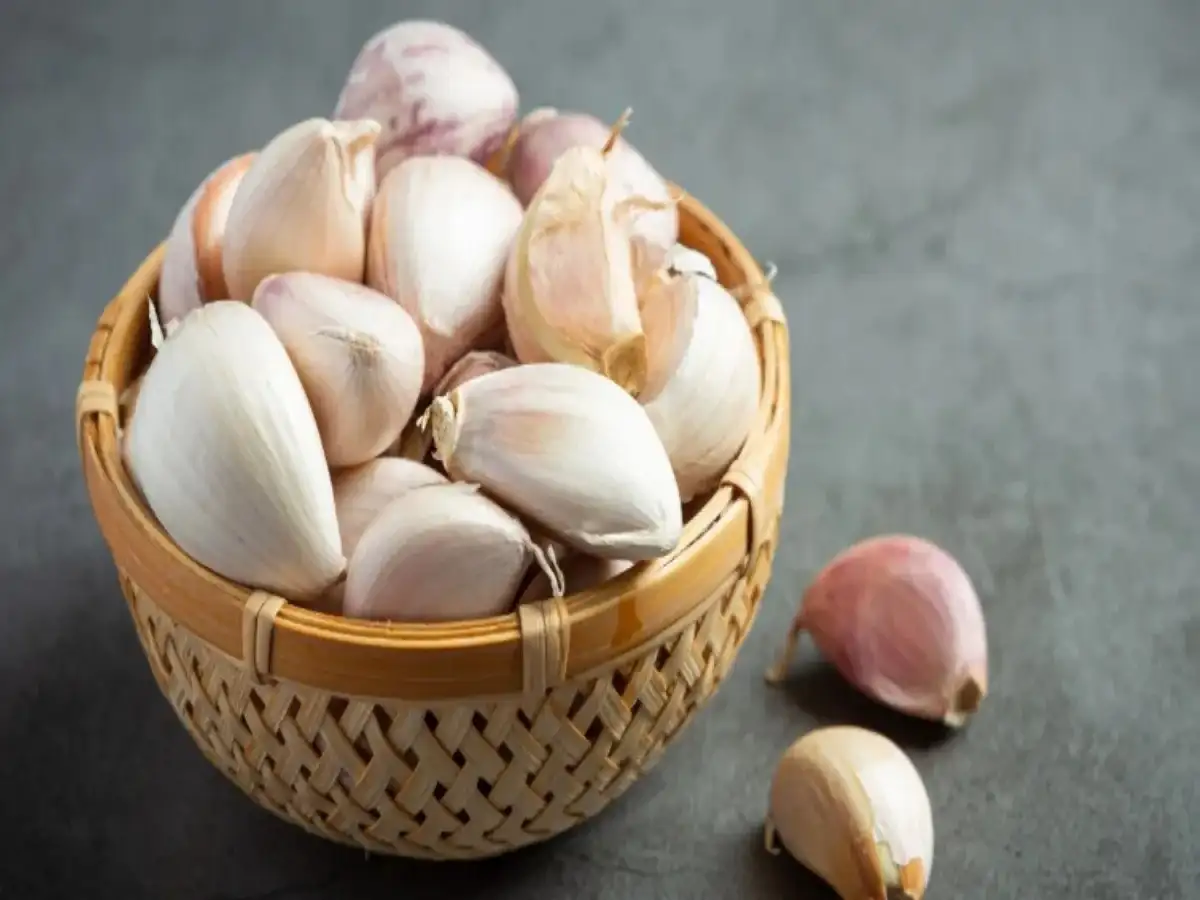
Garlic Health Benefits: Garlic is a familiar ingredient in Indian kitchens, but its role is not limited to adding flavour and aroma to food. It contains several naturally occurring compounds, including sulfur-containing compounds, that have been studied for their possible effects on cardiovascular health, cholesterol, oxidative stress and other aspects of health.
Eating a small amount of garlic regularly can be part of a balanced diet. However, claims that exactly “two cloves a day” can prevent or cure diseases should be treated cautiously. The effects seen in research vary depending on the form of garlic, dosage and individual health factors.
Here are some potential benefits of including garlic in your everyday meals, along with practical ways to consume it safely.
1. Garlic May Support Heart Health
One of the most extensively studied areas of garlic is its possible relationship with cardiovascular health.
Garlic contains organosulfur compounds that may influence processes involved in blood-vessel function. Some studies have suggested that garlic preparations may produce modest improvements in certain cardiovascular risk factors.
However, garlic should not be viewed as a substitute for established heart-healthy habits.
A balanced diet, regular exercise, adequate sleep, avoiding tobacco and following prescribed treatment remain much more important for protecting cardiovascular health.
2. It May Have a Modest Effect on Blood Pressure
Garlic has also been researched for its potential impact on blood pressure.
Some evidence suggests that certain garlic preparations may modestly reduce blood pressure in people with hypertension. The effect, however, is not identical for everyone, and eating a couple of cloves cannot be expected to control high blood pressure on its own.
People diagnosed with hypertension should continue taking prescribed medicines and monitoring their blood pressure as recommended by their healthcare professional.
Garlic can be considered a food component of an overall healthy eating pattern rather than a replacement for medical treatment.
3. Garlic Contains Antioxidant Compounds
Normal metabolic processes in the body produce molecules known as free radicals. When there is an imbalance between free radicals and the body's antioxidant defences, oxidative stress can occur.
Garlic contains compounds with antioxidant properties that may contribute to the body's defence against oxidative stress.
This is one reason garlic is frequently included among foods studied for potential long-term health benefits.
However, no single antioxidant-rich food can compensate for an otherwise poor diet. A variety of vegetables, fruits, whole grains, pulses, nuts and other minimally processed foods remains important.
4. Garlic May Support the Gut Microbiome
Garlic contains certain carbohydrates that can act as prebiotics, meaning they can serve as food for some beneficial microorganisms living in the digestive tract.
A diverse and balanced gut microbiome is associated with several aspects of digestive and general health.
Including garlic alongside other fibre-rich plant foods may therefore contribute to a gut-friendly diet.
That said, raw garlic can cause digestive discomfort in some people. Bloating, gas, abdominal discomfort or heartburn may occur, particularly when larger amounts are consumed.
People with sensitive digestive systems may find cooked garlic easier to tolerate.
5. Its Compounds May Influence Inflammatory Processes
Inflammation is part of the body's normal immune response. Problems can arise when inflammatory processes remain chronically elevated.
Laboratory and clinical research has examined whether compounds present in garlic may influence markers and pathways related to inflammation.
While these findings are interesting, eating garlic should not be presented as a treatment for inflammatory diseases.
A person's overall diet, physical activity, body weight, sleep and underlying medical conditions are all important factors affecting chronic inflammation.
6. Garlic Could Have a Small Effect on Cholesterol
Garlic has also attracted attention for its potential effect on cholesterol levels.
Some research suggests that garlic supplementation may produce modest reductions in total cholesterol or LDL cholesterol in certain individuals. Results are inconsistent, however, and the response can vary according to the preparation and duration of use.
For people with high cholesterol, the most important measures are following an appropriate diet, remaining physically active and taking cholesterol-lowering medication when prescribed.
Stopping medication and replacing it with garlic can expose a person to unnecessary cardiovascular risk.
Is Eating Two Garlic Cloves Every Day Necessary?
There is no universal medical recommendation requiring everyone to eat exactly two cloves of garlic every day.
One or two cloves can be a practical culinary amount for many adults, but tolerance differs considerably.
Some people can comfortably consume raw garlic, while others develop acidity, stomach irritation, nausea or unpleasant breath even after a relatively small amount.
The key is to include garlic as part of a varied diet rather than treating a specific number of cloves as a medicinal dose.
Raw or Cooked Garlic: Which Is Better?
Garlic can be incorporated into meals in several ways.
It can be chopped and added to vegetables, dal, soups, chutneys, curries or other dishes. Lightly cooked garlic may be easier on the digestive system for people who find raw garlic irritating.
Crushing or chopping fresh garlic before using it changes its sulfur chemistry and helps form compounds such as allicin.
If you enjoy raw garlic and tolerate it well, a small quantity can be included with food. There is no need to force yourself to swallow raw cloves on an empty stomach to obtain health benefits.
Can You Eat Garlic on an Empty Stomach?
Claims that garlic must be consumed first thing in the morning on an empty stomach are common, but there is no need for most people to follow this practice.
In fact, raw garlic on an empty stomach can cause burning, nausea, reflux or abdominal discomfort in sensitive individuals.
Consuming garlic as part of a meal is a simpler and often more comfortable approach.
Who Should Be Careful With Large Amounts of Garlic?
Garlic consumed in normal food quantities is generally well tolerated by many people. However, concentrated supplements or unusually large quantities deserve greater caution.
Garlic may have effects on platelet function and could potentially increase bleeding risk, particularly when combined with certain blood-thinning medicines.
People taking anticoagulant or antiplatelet medication, those preparing for surgery, or anyone with a bleeding disorder should discuss high-dose garlic supplements with a healthcare professional.
Those who frequently experience acid reflux or digestive irritation may also need to limit raw garlic.
Garlic Is Healthy, but It Is Not a Medicine Replacement
Garlic can be a useful addition to a nutritious diet and provides bioactive compounds that continue to be studied for potential health effects.
Regular consumption may offer modest benefits related to blood pressure, cholesterol, antioxidant activity and cardiovascular health in some people. It can also contribute prebiotic compounds to the diet.
But garlic should not be considered a cure for hypertension, high cholesterol, heart disease or inflammatory conditions.
If you enjoy garlic, adding a small amount to everyday meals is a practical way to include it in your diet. Whether that means one clove, two cloves or a smaller quantity depends largely on your diet and digestive tolerance.
Disclaimer: This article is for general informational purposes only and should not be considered medical advice. People taking prescription medicines or managing a medical condition should consult a qualified healthcare professional before using garlic supplements or making major dietary changes.