
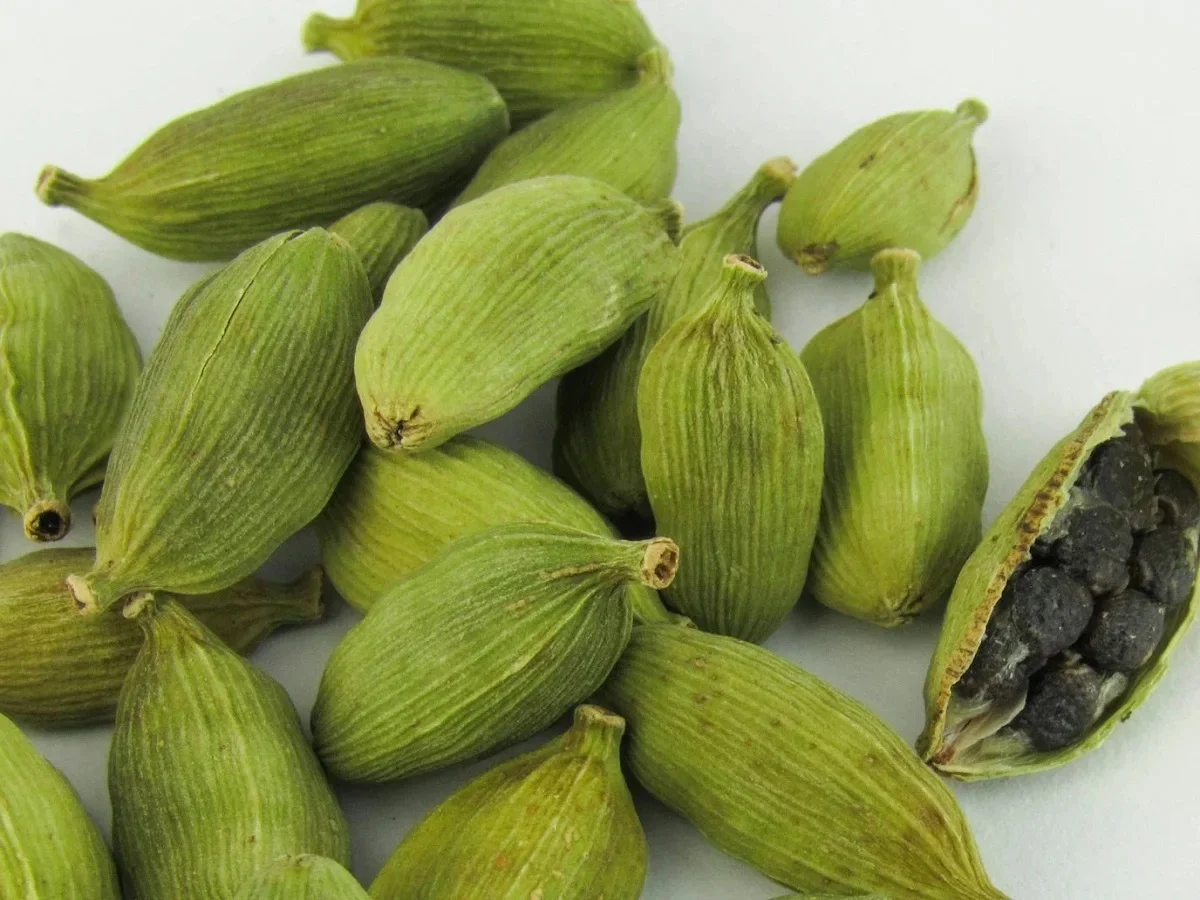
Cardamom, commonly known as elaichi, is one of the most widely used spices in Indian kitchens. From tea and desserts to curries and pulao, its distinctive aroma can instantly enhance the flavour of a dish. But beyond its culinary uses, cardamom contains several plant compounds that have attracted interest for their potential health benefits.
You may have heard claims that chewing one or two green cardamom pods every day for 15 days can transform digestion, eliminate bad breath or dramatically boost energy. While cardamom can certainly be part of a healthy diet, it is important to understand that 15 days is not a medically established period for producing guaranteed health benefits.
Here is what regular cardamom consumption may offer and what you should keep in mind.
Cardamom May Support Digestion
One of the most traditional uses of cardamom is as a digestive spice. This is also why elaichi is often served after meals in Indian households and restaurants.
Cardamom contains aromatic oils and plant compounds that may support normal digestive processes. Chewing a small amount after eating may also increase saliva production, which is an important first step in digestion.
Some people find aromatic spices helpful after a heavy meal, particularly when experiencing a feeling of fullness. However, persistent gas, bloating, acidity or abdominal discomfort should not simply be treated with home remedies, as these symptoms can have several underlying causes.
Can Elaichi Help With Bad Breath?
Chewing green cardamom is a popular traditional way of freshening the mouth.
Its strong natural aroma can temporarily mask unpleasant odours, which explains why cardamom is commonly included in mouth fresheners. Cardamom also contains compounds that have demonstrated antimicrobial activity in laboratory research.
However, cardamom should not be considered a replacement for proper oral hygiene.
Regular brushing, cleaning between the teeth and dental check-ups remain much more important for controlling persistent bad breath. If bad breath continues despite good oral hygiene, it may be worth consulting a dentist because gum problems, tooth decay and other conditions can sometimes be responsible.
Does Cardamom Improve Energy Levels?
Another popular claim is that eating cardamom after lunch can prevent the familiar afternoon slump.
There isn't strong evidence that chewing cardamom directly provides a significant energy boost. Cardamom is not a stimulant comparable to caffeine, and the tiny amount normally consumed contributes very few calories.
Its refreshing aroma and flavour may make some people feel more alert after a meal, but persistent fatigue or excessive daytime sleepiness should not automatically be attributed to digestion.
Sleep quality, meal size, hydration, physical activity and several health conditions can influence daytime energy levels.
Cardamom Contains Antioxidant Compounds
Cardamom contains naturally occurring phytochemicals with antioxidant properties.
Antioxidants help protect cells against oxidative stress caused by unstable molecules known as free radicals. A diet containing a variety of fruits, vegetables, whole grains, nuts, seeds, herbs and spices provides many different antioxidant compounds.
Cardamom can therefore contribute to a varied diet, but eating one particular spice should not be viewed as a shortcut to better health.
Could Cardamom Support Oral Health?
Apart from freshening breath, cardamom has traditionally been chewed after meals for oral freshness.
Research has investigated antimicrobial compounds in cardamom and their possible effects on certain microorganisms. However, evidence is not strong enough to suggest that simply chewing cardamom can prevent cavities or gum disease.
Think of elaichi as a flavourful addition to your routine rather than an alternative to brushing, flossing and professional dental care.
How Much Cardamom Can You Eat?
For most healthy adults, the small quantities of cardamom normally used in food are generally considered safe.
Instead of focusing on a strict "15-day challenge," you can simply include cardamom as part of your regular diet. It can be added to tea, milk, oatmeal, desserts and savoury dishes, or a small amount can be chewed after meals if you enjoy it.
There is no need to consume large amounts in the hope of getting faster results. More does not necessarily mean better.
Don't Expect Dramatic Changes in 15 Days
This is perhaps the most important point.
There is no guarantee that eating cardamom continuously for exactly 15 days will produce major changes in digestion, energy, body weight or overall health. Individual responses can vary considerably, and many online claims about spices exaggerate what existing research actually shows.
A healthy lifestyle depends far more on your overall diet, physical activity, sleep, hydration and other long-term habits than on any single ingredient.
Who Should Be Careful?
Cardamom consumed in normal food quantities is generally well tolerated, but concentrated supplements are different from culinary use.
People who are pregnant, breastfeeding, taking regular medication or managing a medical condition should consult an appropriate healthcare professional before using concentrated herbal products or supplements.
If cardamom causes discomfort or an allergic reaction, stop consuming it and seek medical advice when necessary.
The Bottom Line
Adding green cardamom (elaichi) to your diet can be an enjoyable way to introduce flavour and beneficial plant compounds. Chewing a small amount may freshen the breath, while its traditional use for digestion makes it a popular after-meal spice.
However, claims that eating two cardamom pods every day for precisely 15 days will deliver guaranteed or "amazing" health results should be treated cautiously.
Use cardamom as part of a balanced diet rather than as a treatment for digestive problems, fatigue or other medical conditions.