
Trending
Why Does a Lizard’s Tail Keep Moving After It Breaks Off? The Science Behind This Survival Trick
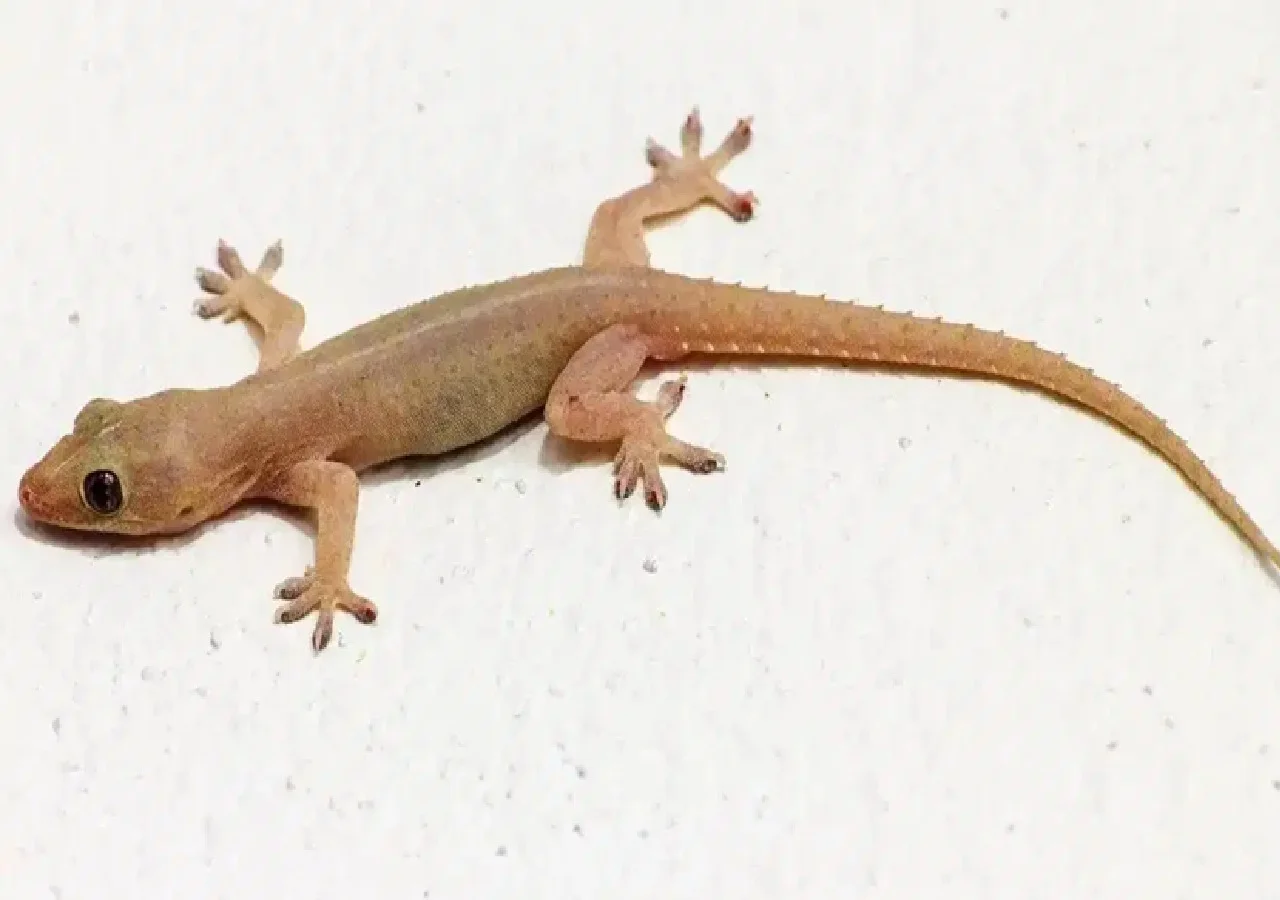
Have you ever seen a lizard lose its tail and noticed something strange? Even after being completely separated from the body, the detached tail may continue to twist, jump or wriggle for several minutes. It can look mysterious, but there is a fascinating biological explanation behind it.
This ability is part of a lizard’s natural defence system. It can help the reptile escape predators and survive dangerous encounters. Here’s how the process works and why a detached tail can continue moving without being controlled by the lizard’s brain.
Why Do Lizards Drop Their Tails?
Many species of lizards have developed an extraordinary survival mechanism known as autotomy. The term refers to an animal deliberately shedding a body part when threatened.
When a predator grabs or attacks a lizard, the reptile may detach part of its tail. Instead of continuing to struggle while being held, the lizard leaves the tail behind and quickly escapes.
The tail is therefore more than just a body part—it can effectively work as a distraction during an emergency.
How Does the Tail Break So Easily?
In lizard species capable of tail autotomy, the tail contains specialised regions where separation can occur relatively easily.
When the lizard experiences a serious threat, muscles around these areas contract in a coordinated way, allowing part of the tail to detach.
This doesn't mean that a lizard casually loses its tail whenever it wants. Tail loss has costs, so it is generally used as an emergency survival strategy.
Why Does a Detached Lizard Tail Keep Moving?
The most interesting part begins after the tail has separated.
Although communication with the lizard's brain has been cut off, the detached tail still contains muscles, nerves and nerve circuits capable of producing movement for a short period.
Electrical activity within these tissues does not disappear instantly when the tail detaches. Instead, local nerve signals can continue stimulating the muscles.
As a result, the tail may bend, twitch, flip or wriggle even though the lizard itself is no longer controlling it.
In simple terms, the tail does not need continuous instructions from the brain to produce every movement immediately after separation.
The Movement Is Actually a Clever Distraction
The wriggling isn't useless. It plays an important role in the lizard's survival strategy.
Imagine a bird, cat or another predator attacking a lizard. The lizard drops its tail and runs away. Meanwhile, the detached tail continues moving vigorously.
Movement naturally attracts the predator's attention. The predator may focus on the twitching tail instead of chasing the escaping lizard.
Those few seconds can be enough for the lizard to reach a hiding place.
This is one reason tail autotomy has proved to be such an effective defence mechanism in many lizard species.
Does the Tail Feel Pain After It Separates?
Once the tail has completely detached, it is no longer connected to the lizard's brain.
The continued movements therefore shouldn't be interpreted as the detached tail consciously deciding to move. They result from activity in nerves and muscles that remains temporarily functional.
Eventually, that activity declines, the muscles stop contracting and the tail becomes still.
Can a Lizard Grow Its Tail Back?
Here's another remarkable feature: many lizards can regenerate a lost tail.
After the original tail is lost, biological repair processes begin at the injury site. Over time, new tissue develops and a replacement tail may grow.
However, the regenerated tail is generally not an exact copy of the original one. Its internal structure, shape, scales and sometimes colour may differ.
For example, the original tail contains vertebrae, whereas the regenerated structure in many species is supported largely by cartilage.
How Long Does It Take for the Tail to Grow Back?
Regeneration isn't immediate. Depending on the lizard species, age, health, nutrition and environmental conditions, growing a replacement tail can take weeks or months.
During this period, the animal must invest energy and nutrients into regeneration.
This is why losing a tail isn't completely harmless.
Losing a Tail Has a Cost
Although autotomy can save a lizard's life, there can be disadvantages.
In some species, the tail stores fat and other energy reserves. It may also contribute to balance, movement, social behaviour and reproduction.
Losing it can therefore temporarily affect the lizard's daily life and energy resources.
For that reason, dropping the tail is best understood as a trade-off: losing one body part is preferable to being caught by a predator.
An Incredible Example of Natural Survival
A lizard's detached tail continuing to move may initially look bizarre, but it demonstrates how sophisticated animal survival mechanisms can be.
The phenomenon combines specialised tail anatomy, local nerve activity and muscle contractions with an effective predator-distraction strategy.
So, the next time you see a detached lizard tail wriggling, remember that it isn't moving because the lizard is still controlling it. Residual nerve and muscle activity keeps it moving temporarily—and those movements may give the lizard the precious seconds it needs to escape.