Technology
WhatsApp Scam Alert: One Fake Message Could Empty Your Bank Account, Government Urges Users to Stay Vigilant
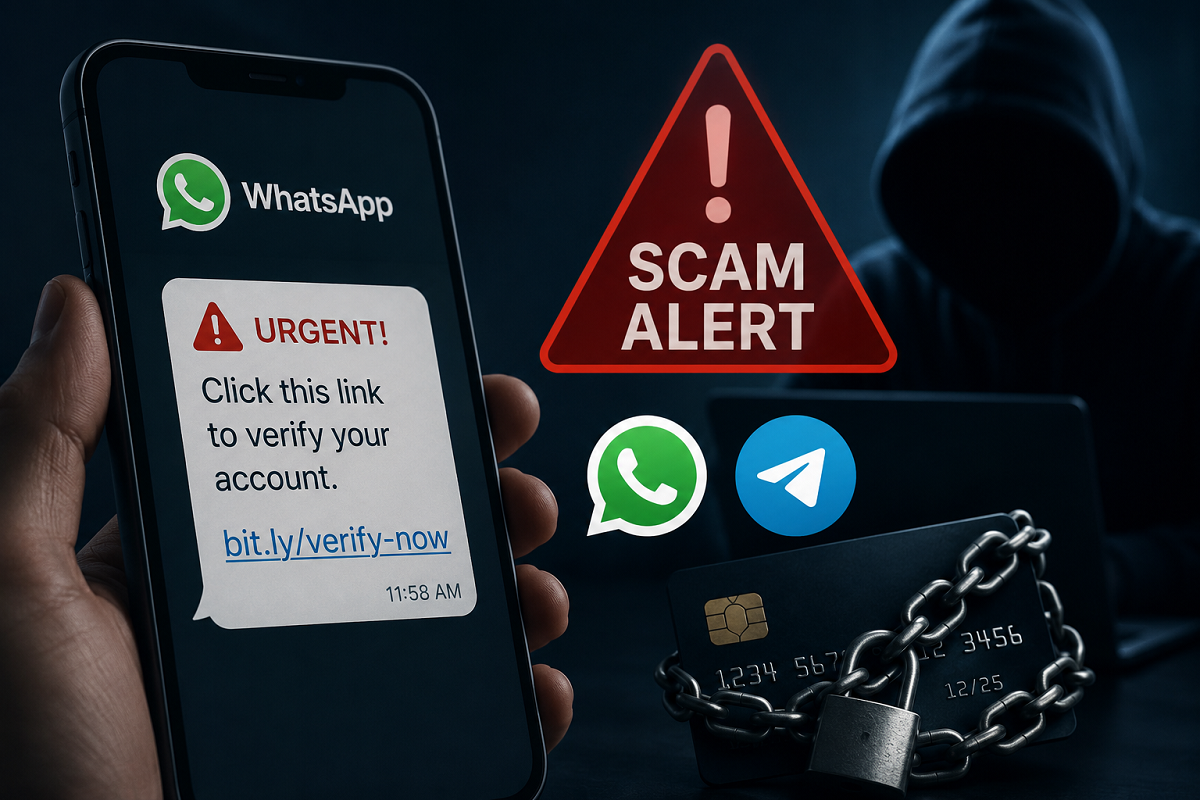
Online fraud targeting WhatsApp and Telegram users is on the rise, prompting fresh warnings from authorities. Cybercriminals are increasingly using popular messaging platforms to trick people into revealing sensitive information or installing malicious software. A single fraudulent message, if acted upon without caution, can lead to financial losses, stolen personal data, or unauthorized access to bank accounts.
As digital payments and mobile banking become a routine part of daily life, scammers are finding new ways to exploit unsuspecting users. Government agencies and cybersecurity experts have repeatedly advised people to stay alert and avoid interacting with suspicious messages, even if they appear to come from trusted contacts.
How the Scam Typically Works
Fraudsters often send messages claiming that the recipient has won a prize, received a cashback offer, or needs to complete an urgent verification process. Some messages may include links that redirect users to fake websites designed to steal banking credentials, OTPs, passwords, or card details.
In other cases, users are persuaded to download unofficial applications or files that secretly install malware on their devices. Once the malicious software is active, cybercriminals may gain access to personal information, banking apps, or even take control of the smartphone remotely.
Why WhatsApp and Telegram Are Frequently Targeted
Messaging platforms have become a preferred channel for scammers because millions of people use them every day. Fraudulent messages can spread quickly through individual chats, groups, and forwarded messages, increasing the chances that someone will fall victim.
Cybercriminals also exploit users' trust by impersonating banks, government departments, courier services, employers, or even family members. These fake messages are often designed to create panic or urgency, encouraging users to act without verifying the information.
Common Warning Signs of a Fraudulent Message
Users should be cautious if they receive messages that:
- Promise unrealistic rewards or cash prizes.
- Ask for OTPs, banking passwords, or debit and credit card details.
- Contain shortened or unfamiliar website links.
- Pressure the recipient to act immediately.
- Request installation of unknown applications or APK files.
- Claim that a bank account, SIM card, or payment service will be blocked unless immediate action is taken.
Recognizing these warning signs can significantly reduce the risk of becoming a victim of online fraud.
How to Protect Yourself
Cybersecurity experts recommend following a few basic precautions while using messaging apps:
- Never share OTPs, PINs, passwords, or banking credentials with anyone.
- Verify the sender before responding to unexpected financial requests.
- Avoid clicking on suspicious links received through chats.
- Download apps only from official app stores.
- Enable two-step verification on messaging accounts.
- Keep your phone's operating system and security software updated.
- Report suspicious messages and block unknown senders whenever necessary.
What to Do If You Receive a Suspicious Message
If you receive a message that appears suspicious, avoid interacting with it. Do not click on any links or download attached files. If the message claims to be from your bank or a government department, contact the organization directly using its official customer support channels instead of relying on the information provided in the message.
If you believe you have already shared sensitive information or made a payment due to a scam, immediately contact your bank, change your passwords, and report the incident to the appropriate cybercrime authorities as quickly as possible. Taking prompt action may help minimize financial damage.
Stay Alert in the Digital Age
As online scams continue to evolve, awareness remains one of the strongest defenses against cyber fraud. A simple message on WhatsApp or Telegram may appear harmless, but acting on an unverified link or request could have serious consequences. Staying informed, verifying information before taking action, and following basic cybersecurity practices can go a long way in protecting your personal data and financial security.