Business
Vehicle Ban From November 1: Older Petrol and Diesel Cars Face Entry Restrictions, Check New Rules
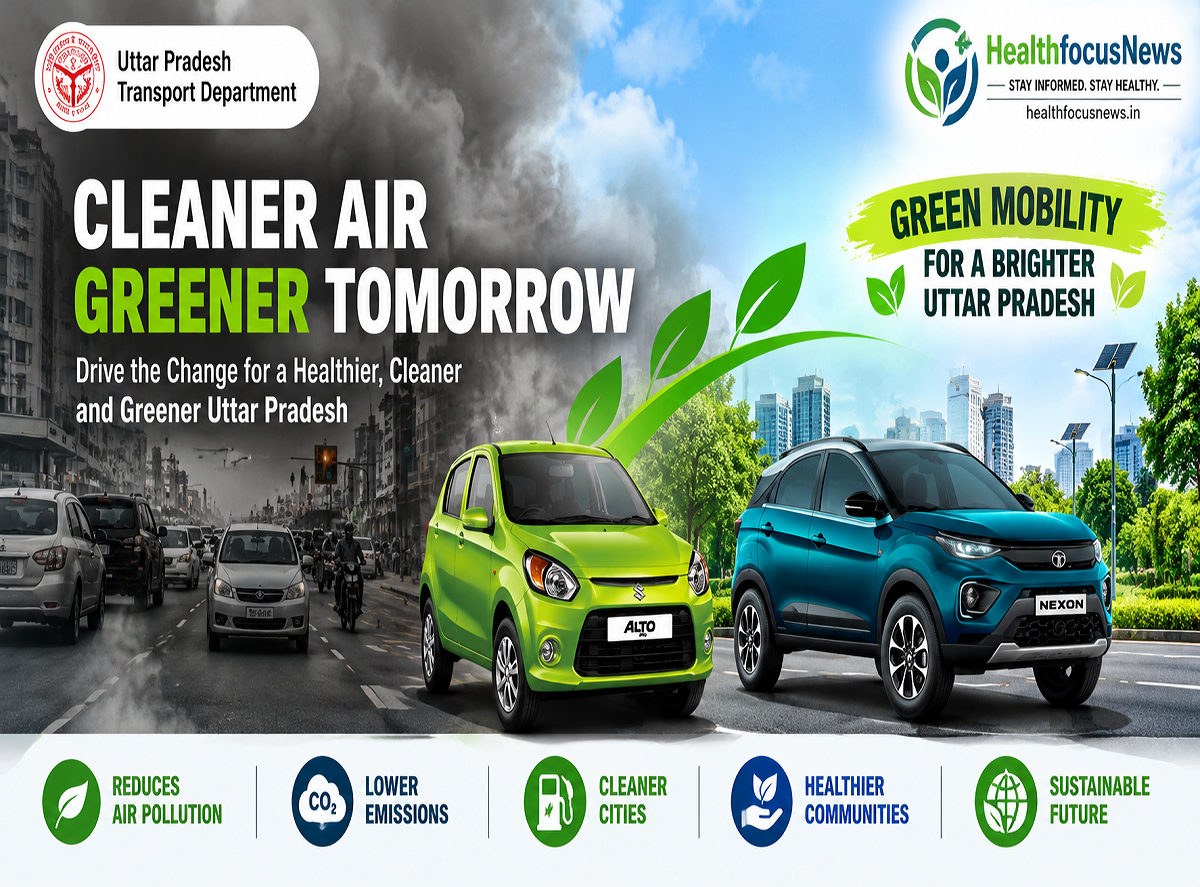
Delhi Vehicle Entry Rules 2026: Planning to travel from Uttar Pradesh to Delhi by car or another vehicle? A major change in vehicle entry regulations is set to take effect on November 1, 2026. The Uttar Pradesh Transport Department has issued an important advisory informing motorists that vehicles failing to meet Bharat Stage VI (BS-VI) emission standards will face restrictions when entering the national capital.
The new measures are part of Delhi's efforts to control rising air pollution during the winter season. However, CNG-powered and electric vehicles have been exempted from the specified emission-standard restriction.
Travellers from Noida, Ghaziabad and other parts of Uttar Pradesh should check their vehicles' eligibility before starting their journeys to avoid inconvenience at Delhi's entry points.
Delhi to Introduce Stricter Vehicle Entry Rules From November 1
The Uttar Pradesh Transport Department has alerted motorists about the upcoming restrictions through its official social media account.
According to the advisory, vehicles that do not comply with BS-VI emission standards will be subject to entry restrictions from November 1, 2026.
The Delhi government's winter pollution-control framework specifically restricts non-Delhi-registered petrol and diesel vehicles below BS-VI standards from November 1 to January 31, with specified exemptions.
The rules are intended to reduce vehicular emissions during the months when air pollution becomes a serious concern across Delhi and surrounding areas.
Which Vehicles Will Be Allowed to Enter Delhi?
Under the revised regulations, vehicle eligibility will depend on emission standards, fuel type, registration and other applicable restrictions.
| Vehicle category | Entry status |
|---|---|
| BS-VI petrol vehicles | Permitted, subject to applicable rules |
| BS-VI diesel vehicles | Permitted, subject to applicable rules |
| CNG vehicles | Exempt from the specified BS-VI restriction |
| Electric vehicles | Exempt from the specified BS-VI restriction |
| Non-Delhi BS-IV petrol/diesel cars | Restricted during the notified period |
| Non-Delhi BS-III or older petrol/diesel cars | Restricted during the notified period |
| Non-compliant interstate buses | Entry restrictions apply |
Vehicles that qualify for an exemption must still comply with other applicable traffic, registration and pollution-control requirements.
Delhi Traffic Police has also advised motorists to check their vehicles' eligibility before travelling.
What Are BS-VI Emission Standards?
Bharat Stage VI, commonly called BS-VI or BS6, is an emission standard introduced in India to reduce harmful pollutants released by motor vehicles.
The BS-VI standards came into nationwide effect in April 2020.
These regulations impose stricter limits on pollutants such as nitrogen oxides, hydrocarbons, carbon monoxide and particulate matter.
Compared with older emission standards, BS-VI technology is designed to reduce pollution from petrol and diesel engines.
Vehicle owners can check the emission category of their cars through the registration certificate or relevant manufacturer documentation.
Importantly, a vehicle's registration year alone should not be treated as definitive proof of its emission standard.
Why Is Delhi Restricting Older Vehicles?
Delhi frequently experiences serious air pollution during winter because of a combination of weather conditions and pollution sources.
Vehicle exhaust, road dust, industrial emissions and other factors contribute to deteriorating air quality.
During colder months, atmospheric conditions can also limit the dispersion of pollutants, allowing them to accumulate near the ground.
The government has therefore introduced a winter pollution-control framework that includes vehicle restrictions and other measures to reduce emissions.
The updated arrangements operate alongside the Graded Response Action Plan (GRAP), which provides additional restrictions depending on air-quality conditions.
Special Rules for Commercial Vehicles and Interstate Buses
The restrictions are not limited to privately owned cars.
Commercial goods vehicles and interstate buses are also subject to specific emission and entry requirements.
According to the Commission for Air Quality Management (CAQM), buses entering Delhi from outside the city must comply with the prescribed fuel and emission standards from November 1, 2026.
The applicable direction permits CNG buses, electric buses and BS-VI diesel buses, while providing an exemption from that particular direction for buses registered in Delhi.
Similarly, commercial goods vehicles must follow the relevant entry restrictions and exemptions.
Trucks that are not travelling to a destination within Delhi may also be required to use peripheral expressways rather than passing through the national capital.
Pollution Certificate Rules Also Important
Vehicle owners should pay attention to Pollution Under Control Certificate (PUCC) requirements.
Delhi Traffic Police has warned that vehicles without valid pollution certificates may face restrictions under the revised enforcement framework.
The government's winter pollution plan also includes measures preventing fuel supply to vehicles without valid pollution certificates.
Motorists should therefore ensure that their vehicle documents are updated before travelling.
Having a valid PUCC, however, does not automatically exempt a vehicle from restrictions based on its emission standard or registration category.
What Should UP Drivers Check Before Travelling to Delhi?
Motorists travelling from Uttar Pradesh should take several precautions before beginning their journey.
1. Check the BS emission standard: Confirm whether the vehicle meets BS-VI requirements.
2. Verify the registration details: Check whether restrictions apply to the vehicle's registration category.
3. Keep a valid pollution certificate: Ensure the PUCC is current wherever required.
4. Follow official traffic advisories: Review the latest instructions issued by Delhi Traffic Police.
5. Check commercial vehicle rules: Bus and goods vehicle operators should verify the separate requirements applicable to their vehicles.
6. Consider permitted alternatives: Travellers whose vehicles are restricted can consider public transport or other eligible vehicles.
These steps may help motorists avoid unexpected delays at Delhi's borders.
Where Can Drivers Get Official Information?
Motorists can check the latest traffic instructions through the official channels of Delhi Traffic Police and the relevant transport authorities.
Delhi Traffic Police has also provided helpline numbers for assistance:
Delhi Traffic Police Helpline: 011-25844444 / 1095
Because GRAP restrictions can change according to air-quality conditions, drivers should check the latest applicable orders before travelling.
Important Update for Travellers From Uttar Pradesh
The November 1 vehicle restrictions are particularly relevant for people who regularly travel to Delhi from Noida, Ghaziabad and other neighbouring areas.
Owners of older petrol and diesel vehicles registered outside Delhi should verify whether their vehicles meet the required emission standards before planning a trip.
CNG and electric vehicles remain exempt from the specified BS-VI entry restriction, although other applicable regulations must still be followed.
The key takeaway: From November 1, 2026, non-Delhi-registered petrol and diesel vehicles below BS-VI standards face entry restrictions under Delhi's winter pollution-control measures. Check your vehicle's eligibility and the latest traffic advisory before travelling.
Source Credit: Uttar Pradesh Transport Department — Official X account @uptransportdept; Commission for Air Quality Management (CAQM); Delhi Traffic Police advisory dated October 29, 2026; and PTI/NDTV report published October 30, 2026.