
Found an Old SBI Passbook with Money? Know RBI Rules for Unclaimed Deposits and the Claim Process
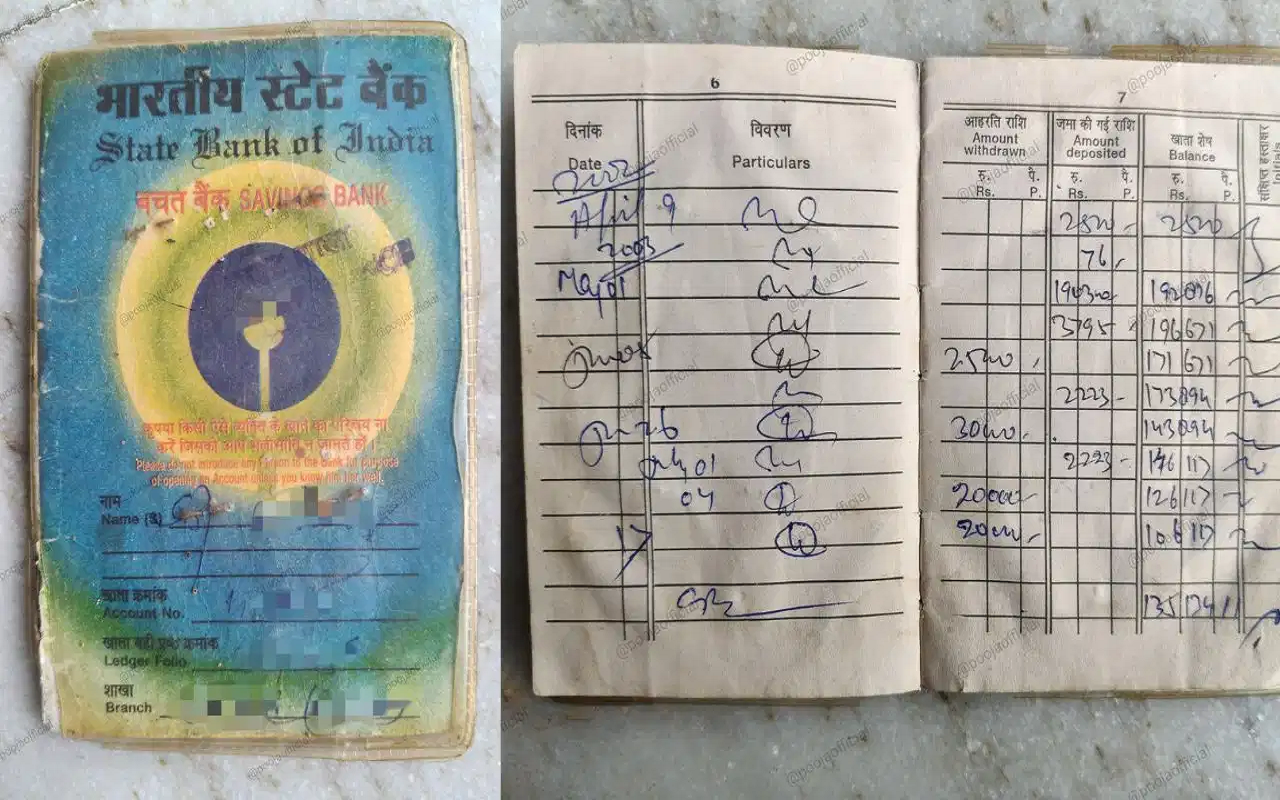
Finding old family documents during a house clean-up is common, but discovering a decades-old bank passbook with a substantial balance can come as a complete surprise. A recent social media post sparked widespread discussion after a family reportedly found an old State Bank of India (SBI) passbook belonging to their late grandfather, showing a balance of more than ₹1 lakh.
The discovery raised an important question: Can the money still be claimed after so many years, or is it lost forever? Here's what the rules say.
A 20-Year-Old Passbook Revealed a Forgotten Bank Balance
According to the viral social media post, a family came across an old SBI passbook while cleaning their home. The passbook reportedly belonged to their late grandfather, and the family had completely forgotten about the account over the years.
When they checked the passbook, they found that it contained more than ₹1 lakh, prompting questions about whether the funds could still be recovered after such a long time.
Does Money in an Old Bank Account Expire?
The simple answer is no.
Under RBI guidelines, money deposited in a bank account does not disappear simply because the account has remained inactive for several years. If no transaction or claim is made for 10 years or more, the balance may be transferred to the Depositor Education and Awareness Fund (DEAF) maintained by the Reserve Bank of India.
However, the rightful owner or legal heirs can still claim the money, even after it has been transferred to the DEAF.
How Can Legal Heirs Claim the Money?
If the original account holder has passed away, the legal heirs can approach the bank and submit a claim. The documents generally required include:
- Death certificate of the account holder
- Proof of legal heirship
- Identity and address proof of the claimant
- Any additional documents requested by the bank
If a nominee is registered in the account, the settlement process is usually quicker and simpler. If no nominee exists, the bank may ask for a Succession Certificate or other legal documents before releasing the funds.
What Should You Do First?
If you discover an old bank passbook or forgotten account, your first step should be to visit the concerned bank branch. Bank officials can verify the account status, confirm whether the funds are still in the account or have been transferred to the DEAF, and guide you through the claim process.
Even if the amount has already been transferred to the RBI's unclaimed deposit fund, eligible claimants can still apply to recover it through the bank.
Tips to Avoid Future Problems
To prevent similar situations, consider these simple precautions:
- Keep records of all bank accounts in a secure place.
- Always register a nominee for every bank account.
- Inform family members about important financial accounts.
- Update KYC details and contact information regularly.
- Preserve passbooks and banking documents safely.
Final Takeaway
A bank account lying dormant for years does not mean the money is lost. Under RBI regulations, unclaimed deposits remain recoverable by the rightful account holder or eligible legal heirs, provided the required documents are submitted. If you ever find an old passbook belonging to a family member, it's worth contacting the bank to verify the account and initiate the claim process.