
Trending
NEET Paper Leak Case: Court to Hear Arguments on Charges Against 13 Accused After Taking Cognisance of CBI Chargesheet
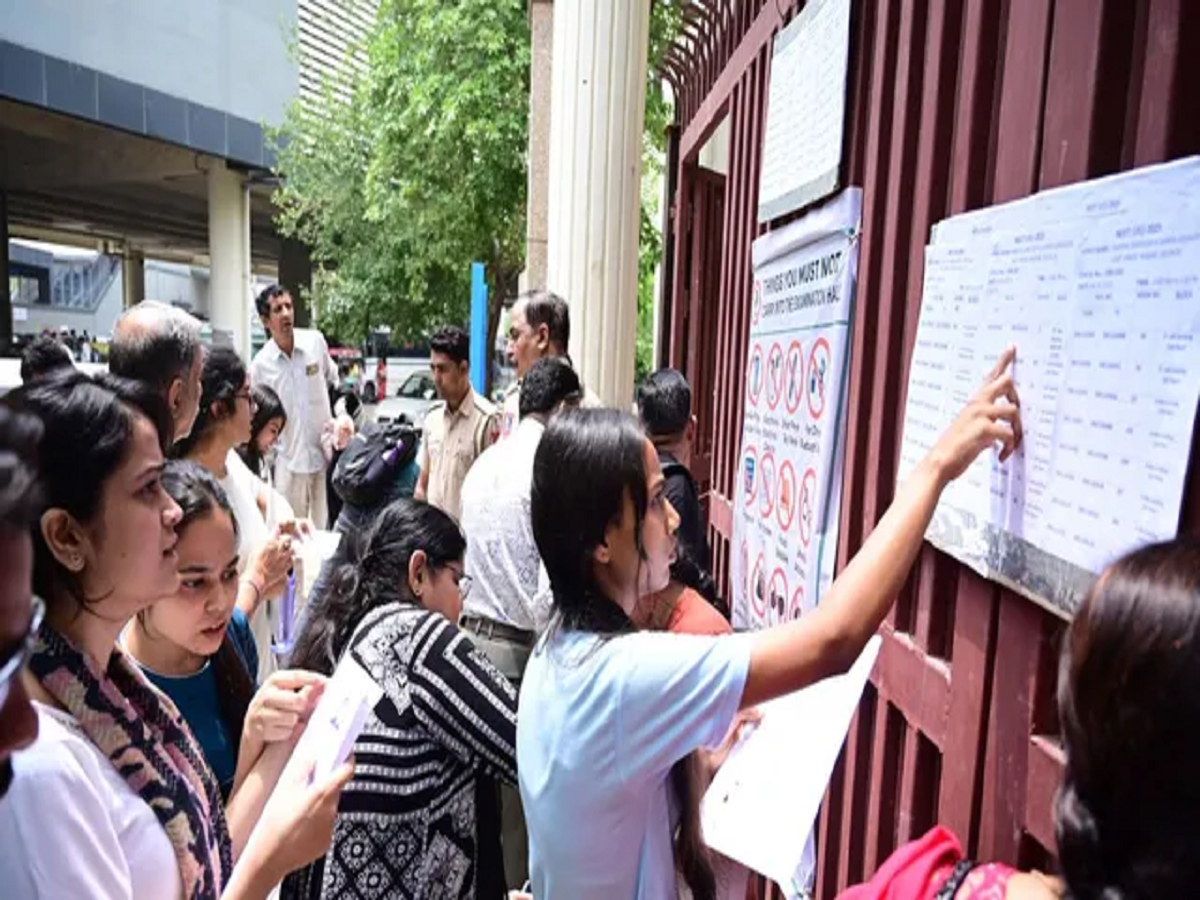
NEET Paper Leak Case: A special court at Rouse Avenue in Delhi is set to begin hearing arguments on the framing of charges against 13 accused in the NEET-UG paper leak case. The court has taken cognisance of the CBI’s final report, which runs into nearly 20,000 pages. The judge also expressed concern over portions of the chargesheet reportedly appearing in the media before being discussed in court.
The NEET-UG paper leak case has entered an important legal stage after a special court in Delhi took cognisance of the Central Bureau of Investigation’s chargesheet against 13 accused.
Special Judge Ajay Gupta at the Rouse Avenue Courts took note of the CBI’s final report and said arguments on whether charges should be formally framed against the accused would begin on Thursday.
The case has drawn wide attention because it concerns alleged leakage of questions linked to one of India’s most competitive medical entrance examinations.
Court Takes Cognisance of CBI’s Final Report
According to the report, the CBI has submitted an extensive chargesheet of around 20,000 pages in connection with the alleged NEET-UG question paper leak.
The agency has named 13 people as accused in the final report.
After examining the filing, the special court took cognisance of the chargesheet and decided to proceed to the next stage, where the prosecution and defence will present arguments on framing of charges.
Framing of charges is a key procedural stage in a criminal trial because the court examines whether there is sufficient material to proceed against an accused for specific offences.
Hearing on Charges Begins Today
The special court is scheduled to start hearing submissions from the prosecution and defence on Thursday.
At this stage, the court is not deciding guilt or innocence. Instead, it will consider whether the evidence and allegations presented by the investigating agency justify formally charging the accused under the relevant provisions of law.
The accused will continue to have the right to contest the allegations during the proceedings.
Court Raises Concern Over Chargesheet Details Reaching Media
Apart from the merits of the case, the court also raised concerns about confidential material from the chargesheet reportedly being published in the media.
The judge reportedly expressed surprise that information contained in the chargesheet had appeared in news reports even before some of those details were discussed in open court.
The court was particularly concerned that the names of some minor witnesses had allegedly been disclosed.
The CBI informed the court that names of certain people, including minors, and extracts from the chargesheet were being published in newspapers.
Judge Says Sensitive Details Should Be Handled Responsibly
The court observed that responsible media organisations should exercise caution while publishing sensitive facts from criminal proceedings, especially where minors or protected witnesses are involved.
The judge also indicated that the court would examine the relevant news reports to determine whether any further action was necessary.
The defence, meanwhile, argued that publication of chargesheet material before the matter was properly taken up in court could adversely affect the accused and the fairness of the proceedings.
The court said it would look into the issue.
What Does the CBI Allege in the NEET Case?
According to the chargesheet cited in the report, the CBI has alleged that three subject experts associated with the National Testing Agency gained access to NEET examination questions and leaked them through different methods.
The agency has claimed that the alleged leakage was possible because the individuals were not searched while leaving a confidential area at the NTA office in Delhi.
These allegations form part of the prosecution case and are yet to be tested during trial.
Three NTA Subject Experts Named by the Agency
The report identifies three NTA subject experts as alleged key figures in the case.
They have been named as P.V. Kulkarni, Manisha Sanjay Havaldar and Manisha Gurunath Mandhare.
According to the CBI’s case, the three allegedly played a central role in accessing and leaking examination-related material.
The charges against them remain allegations unless proved in court.
Arrests Made Across Multiple States
The investigation also led to arrests from several cities and states.
According to the report, the CBI arrested Mangilal, Dinesh and Vikas Biwal from Rajasthan.
The agency also arrested Yash Yadav from Gurugram and Shubham Khairnar from Nashik.
Further arrests included Dhananjay Lokhande and Manisha Sanjay Waghmare from Pune.
The spread of arrests across different locations indicates that investigators have been examining a broader network rather than treating the alleged leak as an isolated incident.
Why the Case Is Significant
NEET-UG is a high-stakes entrance examination used for admission to undergraduate medical courses across India.
Any allegation involving leakage of examination material can raise serious questions about exam security, fairness and the integrity of the admission process.
The CBI’s 20,000-page chargesheet suggests that the investigation has involved extensive documentary material, witness statements and other evidence.
However, the prosecution’s allegations will now have to withstand judicial scrutiny.
What Happens Next?
The immediate next step is the hearing on framing of charges against the 13 accused.
The prosecution will seek to show that there is sufficient material to proceed to trial, while the defence may argue that the evidence does not justify framing charges under some or all of the alleged offences.
After hearing both sides, the court can decide which charges, if any, should formally proceed to trial.
If charges are framed, the case will move into the evidence stage, where witnesses and documents can be examined and challenged before the court.
Court Proceedings Now Enter a Crucial Phase
The Rouse Avenue court’s decision to take cognisance of the CBI chargesheet marks an important development in the NEET paper leak case.
With arguments on charges beginning against 13 accused and the court also scrutinising the alleged leak of sensitive chargesheet material to the media, the proceedings are likely to remain closely watched.
The case will now depend on how the court assesses the prosecution’s material and the defence arguments before deciding whether the accused should face a full trial on the charges alleged.
Disclaimer: The individuals named in the case are accused and are presumed innocent unless proven guilty by a competent court. The article is based on the court proceedings and allegations reported in the source material.