Technology
Meta Ends Controversial Muse Image Feature After Privacy Backlash: What Instagram Users Should Know
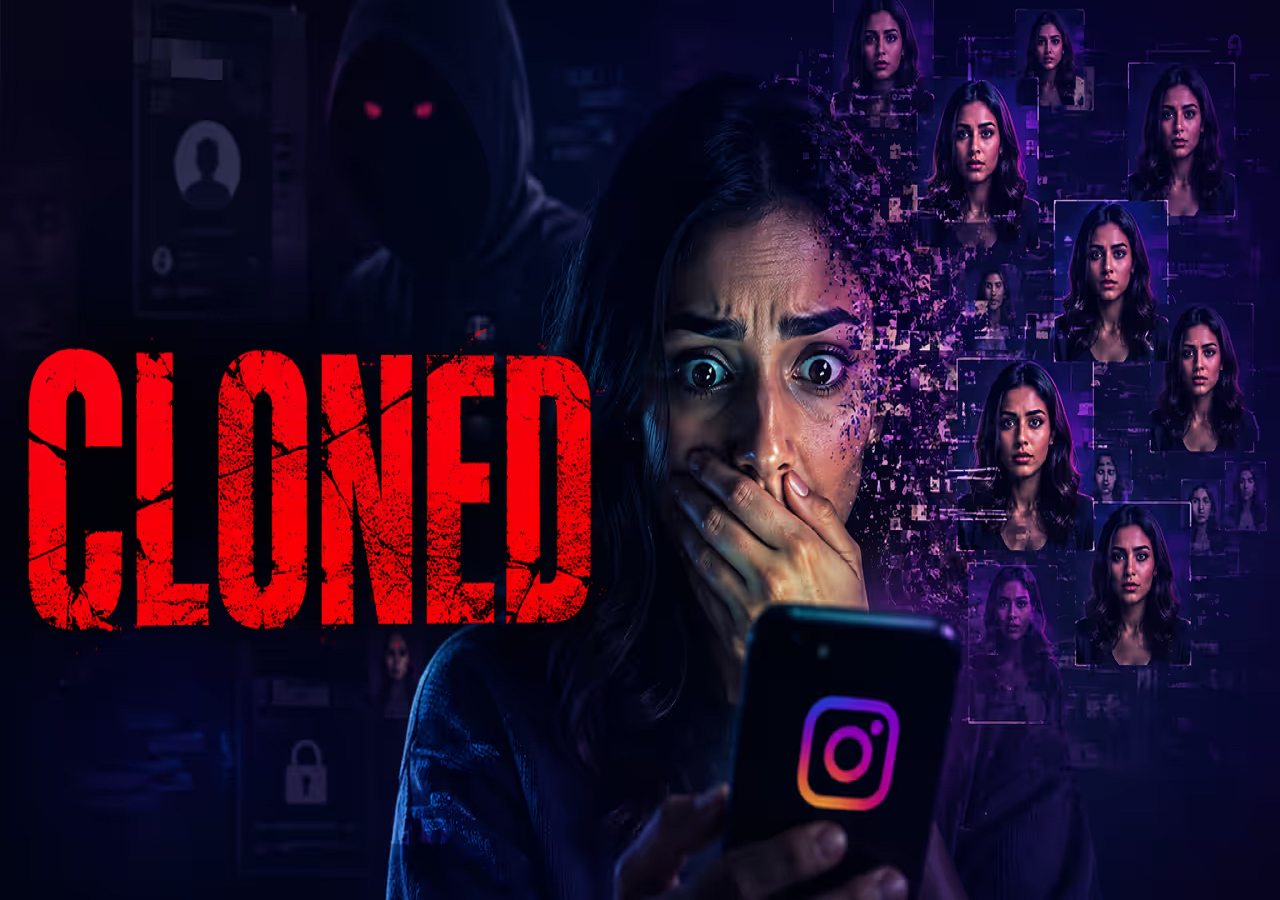
Meta's AI image tool sparked concerns over the use of public Instagram photos. The company has now withdrawn the most controversial feature after widespread criticism.
Meta AI Privacy Update: Meta recently introduced Muse Image, an AI-powered image generation model developed by its Superintelligence Labs. The tool was designed to create and edit images across Meta AI, Instagram, and WhatsApp, with plans to expand to Facebook and Messenger. (About Facebook)
One feature quickly drew criticism from privacy advocates and users. It allowed people to reference public Instagram accounts while generating AI images, raising concerns that someone's publicly shared photos could be used in AI-created content without direct notification. Following widespread backlash, Meta announced that it has removed this specific capability, stating that the feature "missed the mark." (About Facebook)
Here's what happened, why it became controversial, and what Instagram users should know.
What Was Muse Image?
Muse Image is Meta's latest generative AI model that can create images from text prompts, combine multiple photos, edit images, and power AI creative tools within Meta's apps. The company positioned it as a creative assistant for designing images, stories, chats, and other visual content. (About Facebook)
However, one early feature allowed users to include a public Instagram account in an AI prompt so the system could reference that person's publicly available images while generating new visuals. This immediately triggered debates over consent and digital privacy. (TechCrunch)
Why Did Privacy Experts Raise Concerns?
Privacy advocates argued that many Instagram users were unaware their public content could potentially be referenced by AI-generated creations.
The main concerns included:
- Public profile photos could be referenced without explicit permission.
- Users would not necessarily receive a notification when their content was referenced.
- The feature could increase the risk of impersonation, misleading edits, or non-consensual AI-generated images.
- Opt-out controls were considered difficult for many users to discover. (AP News)
These concerns quickly spread across social media, prompting calls for stronger privacy protections.
Meta Has Now Removed the Feature
In response to criticism, Meta updated its announcement and confirmed that it had disabled the feature allowing people to generate AI images by referencing public Instagram accounts.
The company said it had intended to provide users with creative flexibility while offering privacy controls, but acknowledged that the rollout did not meet user expectations. (About Facebook)
Several media organizations also reported that Meta withdrew the capability after privacy concerns and criticism from advocacy groups. (The Verge)
Can You Still Adjust Your Instagram Privacy Settings?
Although the controversial feature has been removed, users can still review Instagram's sharing settings to control how their public content may be reused in other features.
If available on your account:
- Open the Instagram app.
- Go to Profile.
- Tap the three-line menu in the top-right corner.
- Open Settings and Activity.
- Select Sharing and Reuse.
- Review the available options for posts and reels and disable them if you do not want eligible content to be reused in supported AI features. (TechCrunch)
Meta notes that the exact settings may vary by region and rollout stage.
Should Public Account Users Be Concerned?
Having a public account naturally makes your shared content more accessible than a private profile. Privacy experts generally recommend reviewing account settings regularly, limiting the amount of personal information shared publicly, and enabling available privacy controls whenever new platform features are introduced.
Users who prioritize privacy may also consider switching to a private account if public visibility is not essential for their needs.
The Bottom Line
Meta's Muse Image launch highlighted the growing debate over how generative AI should interact with publicly shared online content. While the company has already withdrawn the feature that allowed public Instagram accounts to be referenced for AI image generation, the incident has renewed discussions about user consent, transparency, and digital privacy.
As AI-powered tools continue to evolve, reviewing your privacy settings and staying informed about platform updates remains one of the best ways to protect your online presence.