Business
Gold and Silver Prices Surge on MCX Today: Silver Jumps 2.71%, Gold Rebounds After Sharp Fall
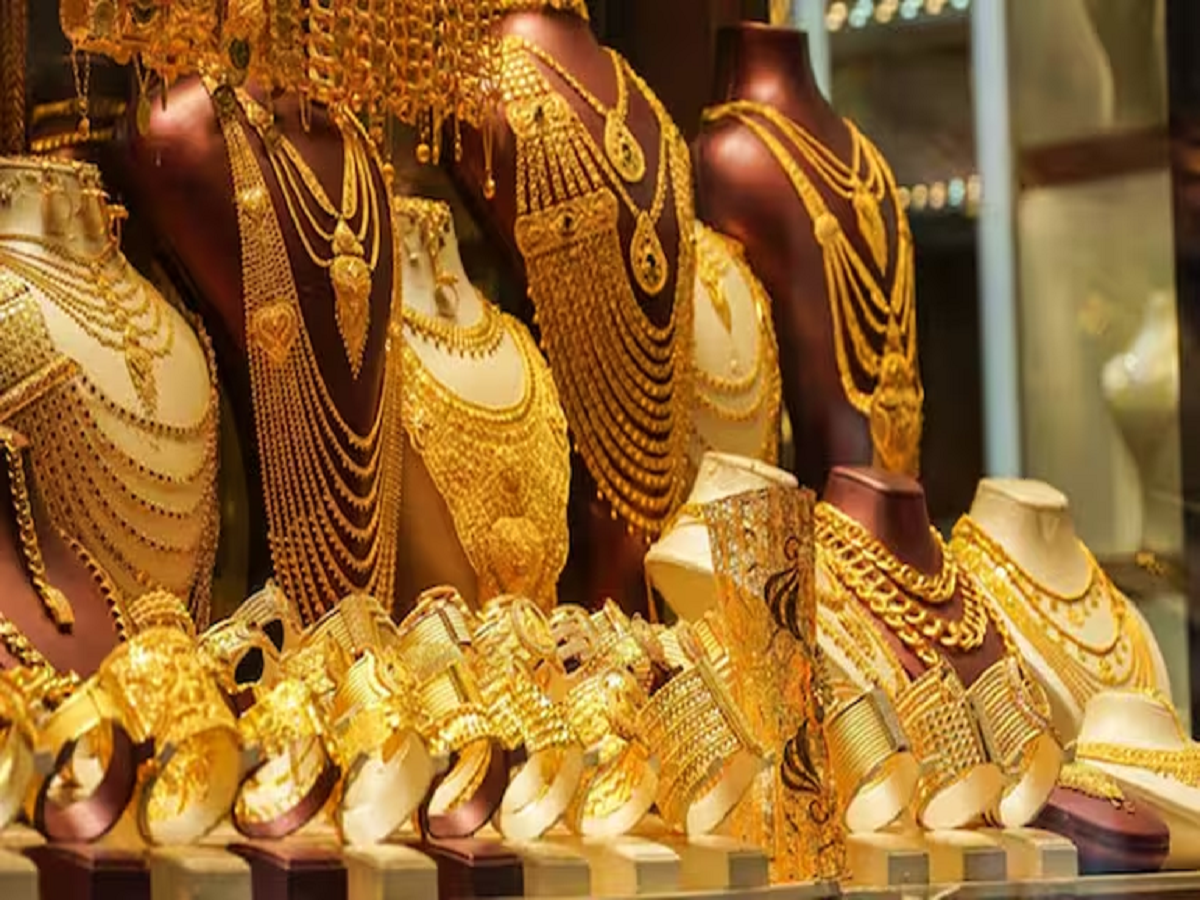
Gold Silver Price Today, November 11, 2026: Gold and silver prices witnessed a strong recovery in the Indian commodity market on Wednesday, November 11, as investors returned to precious metals following a recent wave of selling. Silver led the rebound, recording gains of more than 2.7%, while gold futures also moved higher on the Multi Commodity Exchange (MCX).
According to the reported market figures, December gold futures climbed 0.81% to approximately ₹1.41 lakh per 10 grams. Meanwhile, December silver futures advanced 2.71% to around ₹1.87 lakh per kilogram.
The recovery followed a sharp correction in precious metal prices, triggered largely by stronger-than-expected US inflation data and growing uncertainty surrounding the Federal Reserve's interest rate policy.
However, market experts believe that investors should remain cautious because global interest rates, bond yields and currency movements could continue influencing bullion prices in the coming sessions.
MCX Gold and Silver Rates on November 11, 2026
Domestic precious metal futures registered notable gains as international bullion markets recovered from earlier losses.
Silver outperformed gold during the session, attracting stronger buying interest following the previous decline.
Here is a comparison of the reported trading figures:
| Commodity | MCX Futures Price | Reported Change |
|---|---|---|
| Gold (December futures) | Approximately ₹1,41,000 per 10 grams | +0.81% |
| Silver (December futures) | Approximately ₹1,87,000 per kg | +2.71% |
These prices represent futures market quotations rather than retail jewellery rates.
Actual gold and silver prices at jewellery shops may differ because of taxes, dealer margins, making charges and local market conditions.
Why Did Gold and Silver Prices Recover?
The latest increase in bullion prices followed a period of intense selling pressure.
The original market report described a decline of nearly 3% in precious metals during the preceding trading session.
That weakness was attributed to US inflation figures exceeding market expectations, raising concerns that the Federal Reserve could maintain restrictive monetary conditions or consider further interest rate increases.
Following the decline, traders reportedly returned to the market, creating renewed demand for gold and silver futures.
Market analysts described the rebound as partly driven by technical buying, a situation in which traders purchase assets after a sharp fall based on price patterns and short-term trading signals.
However, technical rebounds do not necessarily indicate that a longer-term downward correction has ended.
International Gold Prices Also Move Higher
The recovery was not limited to Indian commodity exchanges.
International bullion prices also recorded gains, supporting domestic market sentiment.
According to the figures cited in the original report, spot gold increased by approximately 0.3% to $4,044.56 per troy ounce.
US gold futures advanced 0.6% to around $4,052.50 per troy ounce.
Silver recorded a stronger international recovery, with spot prices increasing approximately 2% to $52.52 per troy ounce.
| International Commodity | Reported Price | Change |
|---|---|---|
| Spot gold | $4,044.56/oz | +0.3% |
| US gold futures | $4,052.50/oz | +0.6% |
| Spot silver | $52.52/oz | +2.0% |
The stronger movement in silver suggests that traders were more aggressive in rebuilding positions in the white metal following the earlier decline.
Nevertheless, international precious metal prices remain vulnerable to changes in US economic expectations.
US Inflation Data Creates Fresh Uncertainty for Bullion Markets
One of the biggest factors affecting gold and silver prices is the outlook for inflation in the United States.
The original report cited October US consumer inflation rising by 0.4% month-on-month, compared with market expectations of 0.3%.
Higher-than-expected inflation can influence expectations regarding future Federal Reserve policy decisions.
When inflation remains elevated, central banks may maintain higher interest rates for longer or consider additional tightening to control price pressures.
Such developments can affect gold and silver because neither metal generates regular interest income.
By comparison, assets such as government bonds may become more attractive when interest rates and bond yields rise.
This relationship can create downward pressure on precious metals, although other factors, including geopolitical uncertainty and safe-haven demand, may offset that effect.
Federal Reserve Rate Expectations Remain in Focus
The report also highlighted a sharp shift in market expectations concerning the Federal Reserve's next interest rate decision.
According to the figures attributed to the CME FedWatch Tool, traders had previously assigned an 84% probability to a rate increase at the following month's meeting.
The report stated that this probability subsequently reached 100%.
These figures represent the original article's reported interpretation of market expectations and should not be treated as independently verified live FedWatch readings or a guaranteed policy outcome.
Federal Reserve decisions depend on multiple economic indicators, including inflation, employment conditions and broader financial developments.
Investors will therefore continue examining upcoming economic releases and statements from central bank officials for further clues.
Rising US Treasury Yields Put Pressure on Gold
US government bond yields are another important factor influencing precious metal prices.
The original report stated that the yield on the two-year US Treasury increased by approximately 18 basis points to 4.73% following the inflation figures.
A basis point represents 0.01 percentage points, meaning an 18-basis-point increase is equivalent to 0.18 percentage points.
Higher Treasury yields can increase the opportunity cost of holding gold, since gold does not pay interest.
If investors can earn higher returns from interest-bearing securities, some may reduce their exposure to precious metals.
However, gold can still attract demand during periods of financial instability, currency weakness or geopolitical uncertainty.
Why Is Silver Recovering Faster Than Gold?
Silver demonstrated significantly stronger gains than gold during the reported trading session.
While gold futures advanced less than 1%, silver futures increased by more than 2.7%.
According to the original report, silver recovered a substantial portion of its earlier losses, while gold remained approximately $60 per ounce below its settlement level before the inflation-related sell-off.
The difference highlights the relatively stronger short-term recovery in silver.
Silver prices can be particularly volatile because the metal has two major sources of demand.
First, it is purchased as an investment asset, similar to gold.
Second, silver is widely used in industrial applications, including electronics, solar panels and electrical equipment.
Changes in industrial demand expectations can therefore influence silver prices alongside monetary policy and investment sentiment.
Giottus.com CEO Vikram Subburaj was cited in the report as noting that silver led the domestic bullion futures recovery as regular morning trading resumed.
However, stronger short-term performance does not guarantee that silver will continue outperforming gold.
How Does the Indian Rupee Affect Gold and Silver Prices?
Indian bullion prices are influenced not only by international commodity prices but also by movements in the rupee against the US dollar.
India imports a significant portion of the gold and silver consumed domestically.
Since international bullion transactions are generally priced in US dollars, changes in the exchange rate can affect the rupee cost of imports.
For example, if the rupee strengthens against the dollar, importing gold or silver may become relatively less expensive.
This could partly offset an increase in international bullion prices.
Conversely, a weaker rupee can increase domestic prices even when global bullion quotations remain relatively stable.
Subburaj was cited as suggesting that potential rupee strength could moderate the impact of rising international precious metal prices on Indian buyers.
What Should Gold and Silver Investors Watch Next?
Market participants are expected to focus on several developments that could influence bullion prices in the coming days.
The US Producer Price Index (PPI) report, referenced in the original article as scheduled for November 13, is among the economic releases investors may monitor.
Producer inflation data can provide additional information about price pressures within the economy.
Investors will also watch US Treasury yields, Federal Reserve commentary, dollar movements and the rupee's exchange rate.
Domestic demand during the festive and wedding seasons may also influence retail bullion activity.
However, short-term price movements can remain unpredictable, particularly when markets are responding to major economic announcements.
Has the Gold and Silver Price Correction Ended?
The latest gains indicate that precious metals have recovered some of their recent losses.
However, a single strong trading session is not enough to confirm that the correction phase has ended.
For gold, the recovery remained relatively modest compared with the preceding decline.
Silver demonstrated stronger momentum, but its higher volatility means that prices could experience further sharp movements.
A more sustained recovery would depend on how markets respond to upcoming inflation data, monetary policy developments and changes in investor demand.
Therefore, traders and long-term investors should distinguish between a temporary technical rebound and a lasting change in the market trend.
Should Investors Buy Gold or Silver After the Rebound?
Investors considering precious metals should evaluate their financial goals, investment horizon and ability to tolerate price fluctuations.
Gold is often used as a portfolio diversification asset, while silver combines investment demand with significant industrial exposure.
Both metals can experience substantial short-term volatility.
Investors should also compare the costs associated with physical bullion, exchange-traded funds and other investment products.
Those purchasing jewellery should remember that making charges, applicable taxes and resale deductions can affect actual returns.
Rather than making decisions based solely on a single day's price movement, investors may benefit from evaluating broader market conditions and their overall asset allocation.
Final Takeaway
Gold and silver futures recorded a notable recovery on November 11, 2026, with silver leading the gains on MCX.
December silver futures climbed approximately 2.71% to ₹1.87 lakh per kilogram, while December gold futures advanced 0.81% to around ₹1.41 lakh per 10 grams.
The rebound followed a sharp decline linked to US inflation concerns and changing expectations surrounding Federal Reserve interest rates.
Although the latest gains indicate renewed buying interest, it remains too early to conclude that the correction in gold and silver prices has ended.
Investors should continue monitoring global economic developments, bond yields, currency movements and domestic demand before making financial decisions.
Disclaimer: The prices and market commentary in this article are based on the supplied November 11, 2026 news report and have not been independently verified against live market data. Commodity prices are subject to market fluctuations. This article is for informational purposes only and does not constitute investment advice. Readers should consult a qualified financial adviser before making investment decisions.