Technology
Electric Blankets for Winter: How Heated Bedding Can Reduce Electricity Bills, Keep You Warm and Save Money
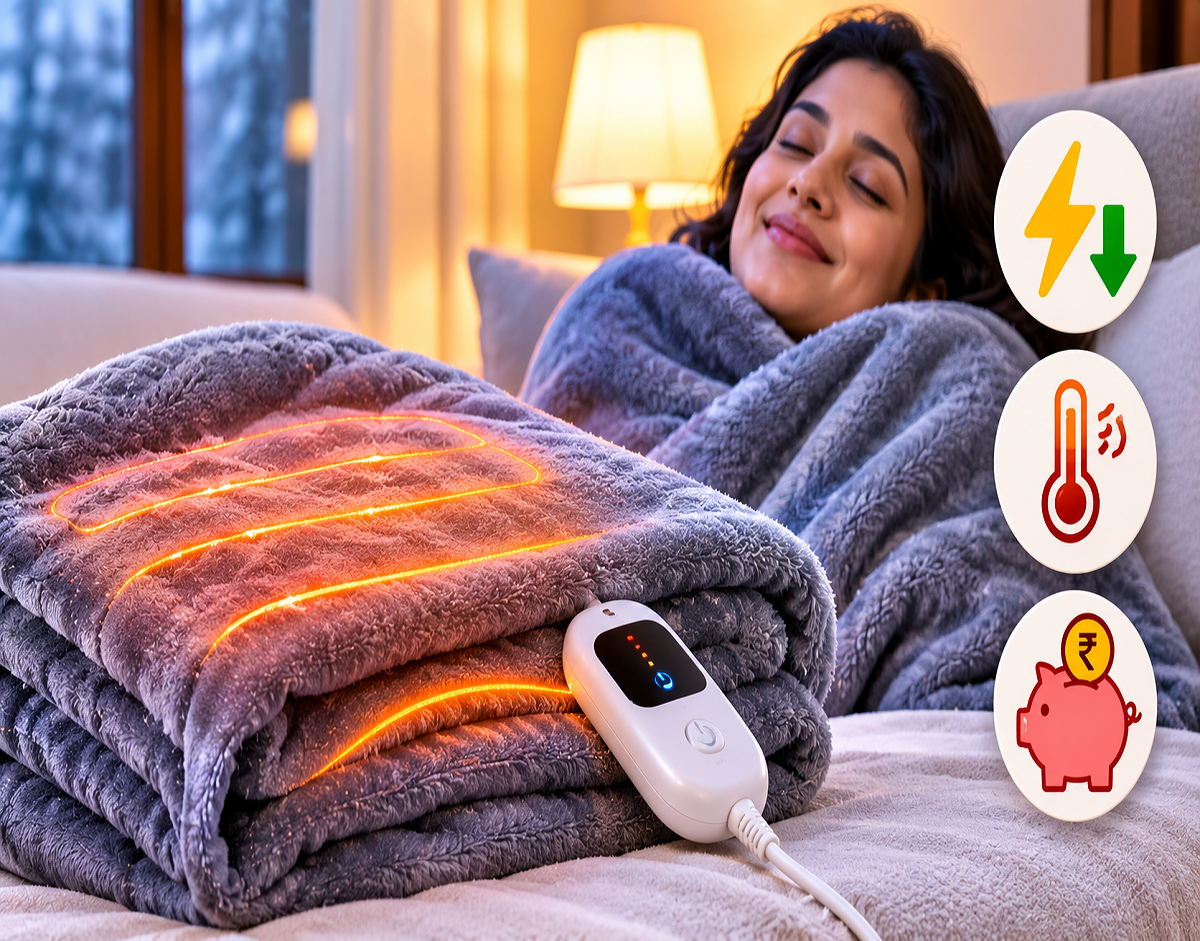
Electric Blanket Benefits and Safety Tips: As winter temperatures begin to fall, many households are turning to room heaters to stay comfortable. However, running a conventional room heater for several hours can significantly increase electricity consumption. An electric blanket, also known as a heated blanket, offers an alternative for people who primarily need warmth while resting or sleeping.
Unlike room heaters, electric blankets deliver heat directly to the user rather than warming the entire room. This targeted heating mechanism can make them a more energy-efficient option for personal comfort during cold winter nights.
However, consumers should understand how these blankets work and follow essential electrical safety precautions before using them.
What Is an Electric Blanket and How Does It Work?
An electric blanket is a specially designed bedding accessory containing insulated electrical heating elements. When connected to a power supply, these elements generate warmth that spreads through the fabric.
Most modern electric blankets include temperature adjustment controls. Selected models also feature programmable timers, overheating protection and automatic shut-off mechanisms.
These features allow users to adjust the warmth according to their comfort requirements and surrounding temperature.
Types of Electric Blankets Available in the Market
Electric blankets are generally available in two major designs:
- Electric underblanket: Designed to be placed on the mattress beneath the bedsheet, providing warmth from underneath.
- Electric overblanket: Designed to cover the body like a conventional blanket while generating additional heat.
Consumers must use each product according to its intended design. Using an overblanket as an underblanket or placing excessive weight on its heating elements could damage the internal electrical components.
Electric Blanket vs Room Heater: Which Consumes Less Electricity?
One of the biggest advantages of electric blankets is their relatively low power consumption compared with conventional room heaters.
A room heater typically requires considerably more electricity because it is designed to increase the temperature of the surrounding air. Heated bedding concentrates energy on a much smaller area.
Estimated Electricity Consumption Comparison
| Appliance | Assumed Power Rating | Usage Per Day | Monthly Consumption |
|---|---|---|---|
| Electric blanket | 100 watts | 4 hours | 12 units |
| Small room heater | 1,000 watts | 4 hours | 120 units |
| High-powered room heater | 2,000 watts | 4 hours | 240 units |
Estimated Monthly Electricity Cost
Assuming an electricity tariff of ₹8 per unit:
| Appliance | Estimated Monthly Cost |
|---|---|
| Electric blanket | ₹96 |
| 1,000-watt room heater | ₹960 |
| 2,000-watt room heater | ₹1,920 |
These are illustrative calculations based on 30 days of operation at the assumed power ratings. Actual electricity consumption depends on temperature settings, operating duration, thermostat behaviour and local electricity tariffs.
The comparison demonstrates how targeted personal heating could reduce electricity expenditure when warming an entire room is unnecessary.
Can an Electric Blanket Be Used Throughout the Night?
Although heated blankets provide convenient warmth, leaving them switched on throughout the night requires careful consideration.
A safer approach is to switch on the electric blanket approximately 20–30 minutes before bedtime. Once the bedding becomes comfortably warm, the device can be switched off before sleeping.
Continuous overnight operation should only be considered if the manufacturer explicitly permits it and the product is equipped with appropriate temperature controls and safety mechanisms.
Damaged electrical wiring, faulty temperature regulators and excessive heat accumulation can increase the risk of burns or fire.
Important Safety Tips for Using Electric Blankets
Electric blankets should be handled carefully because their internal heating components are connected to an electricity supply.
Users should follow these essential precautions:
- Avoid using blankets with damaged wires, plugs or controllers.
- Never operate an electric blanket while it is wet.
- Do not sharply fold or bunch the blanket while it is switched on.
- Avoid placing heavy objects on the heating elements.
- Never combine an electric blanket with a hot water bottle.
- Follow the manufacturer's cleaning and storage instructions.
- Stop using the blanket immediately if unusual smells, discolouration or excessive heating occur.
- Avoid use by infants or people unable to detect excessive heat or operate the controls safely.
Individuals with reduced skin sensation, neuropathy or circulation-related medical conditions should seek medical guidance before using heated bedding.
What Should You Check Before Buying an Electric Blanket?
Consumers purchasing an electric blanket should focus on safety and durability rather than selecting a product solely because of its low price.
Important features include automatic shut-off, adjustable temperature settings, overheating protection, suitable electrical safety certification, insulated heating elements, warranty coverage and reliable after-sales support.
Checking the product's wattage can also help households estimate its potential electricity consumption before making a purchase.
Can an Electric Blanket Completely Replace a Room Heater?
An electric blanket can be a practical alternative for individuals who only require warmth while resting in bed. However, it cannot increase the temperature of an entire room in the same way as a conventional heater.
People who require warmth while working, studying or spending time with family members may still need a suitable room-heating appliance.
For households looking to reduce winter electricity expenses, heated bedding offers a potentially economical solution when used correctly. Choosing a reliable product and following all recommended electrical safety precautions remain essential for a comfortable and safe winter experience.