
Business
Gold vs Silver: How Fed Rates, Dollar Strength and Global Tensions Could Drive Precious Metal Prices
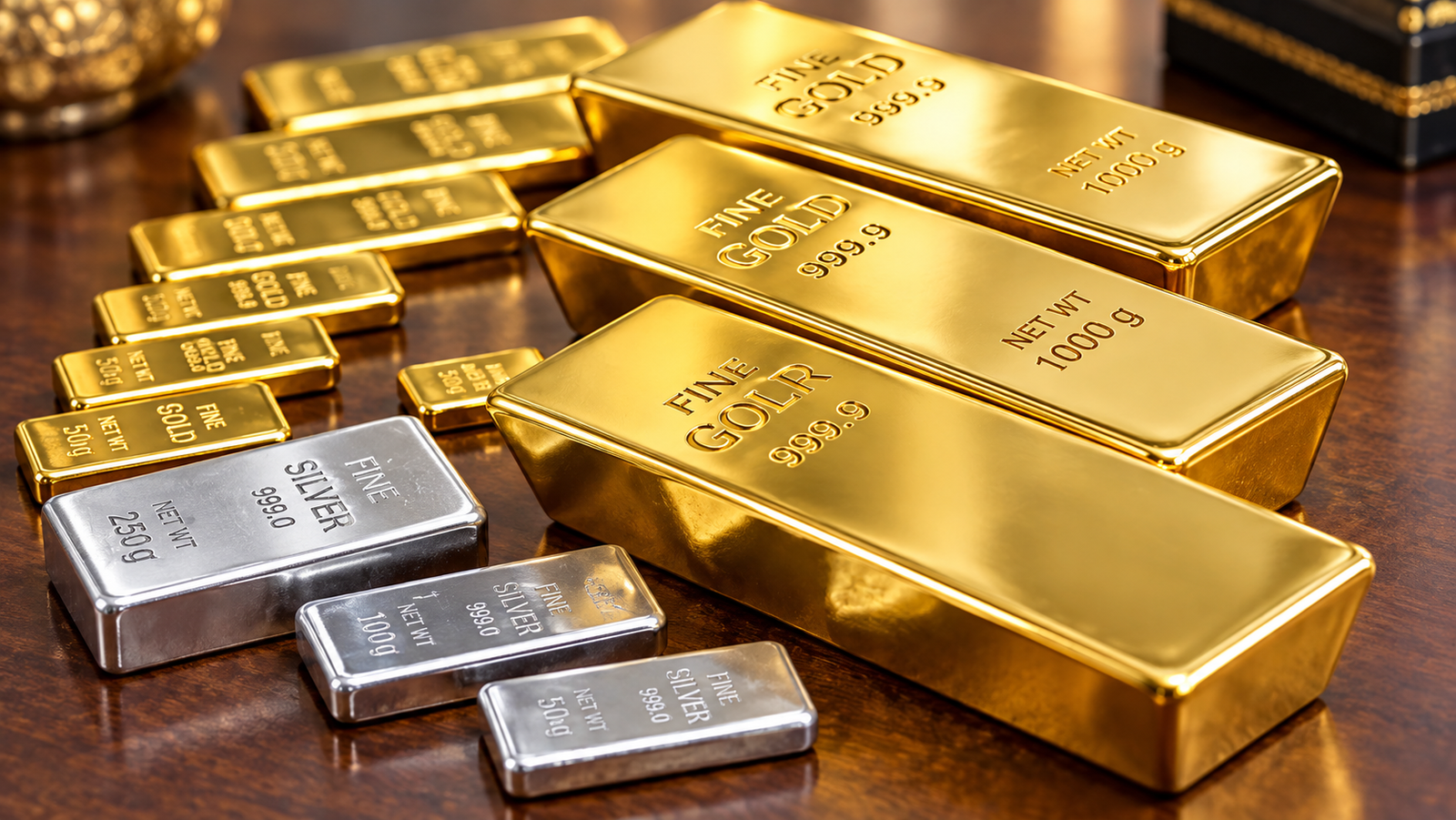
Gold and silver showed contrasting moves on September 18, 2026, as global markets continued to assess the impact of the US Federal Reserve's latest interest-rate decision. While higher interest rates and a stronger dollar can create pressure on precious metals, geopolitical uncertainty is providing another force that could support demand, particularly for gold.
According to the market data cited in the report, COMEX gold was down 0.26% at $4,388.20 per ounce on September 18, while COMEX silver gained 0.18% to trade at $66.215 per ounce.
The moves followed a volatile period after the US Federal Reserve raised its benchmark interest rate by 25 basis points. For investors, the key question is now how interest rates, Treasury yields, the US dollar, geopolitical developments and industrial demand could collectively influence gold and silver.
Why Higher US Interest Rates Matter for Gold
Gold does not generate interest income. That characteristic becomes particularly important when interest rates and government bond yields rise.
When investors can potentially earn higher yields from interest-bearing assets, the opportunity cost of holding non-yielding assets such as gold increases. This can reduce the relative appeal of the precious metal, particularly in the short term.
Ruchit Thakur, market analyst at VT Markets, said the Federal Reserve's move to raise rates to 4%, combined with its focus on elevated inflation and resilient economic activity, could provide short-term support to US Treasury yields and the dollar.
According to Thakur, these conditions can put pressure on both gold and silver because higher yields increase the opportunity cost of holding assets that do not provide interest income. The source reports that immediately following the Fed decision, gold dropped more than 1%, while silver declined by approximately 1.7%.
A Stronger Dollar Can Add Another Layer of Pressure
The US dollar is another important factor for precious-metal markets.
Gold and silver are internationally priced in dollars. When the dollar strengthens against other currencies, these metals can become more expensive for buyers using other currencies. This can potentially weigh on international demand.
However, movements in precious metals are rarely determined by a single factor. Even when higher rates and a strong dollar create downward pressure, other developments can move prices in the opposite direction.
Geopolitical Risks Could Continue Supporting Gold Demand
Geopolitical uncertainty remains one of the major factors being watched by bullion investors.
Periods of uncertainty surrounding economic growth, international trade, fiscal policy or geopolitical conflicts can sometimes encourage investors to move toward assets traditionally considered stores of value.
Thakur said continued uncertainty surrounding growth, trade, fiscal policy and geopolitics could weaken confidence in riskier assets and support safe-haven demand for gold.
This creates competing forces for bullion. Higher interest rates and bond yields may weigh on gold, while geopolitical risks may encourage some investors to seek exposure to the metal.
Why Gold Recovered After the Initial Fed Reaction
Vedika Narvekar, research analyst for commodities and currencies at Anand Rathi Share and Stock Brokers, attributed gold's September 17 recovery mainly to an easing in bond yields after their sharp post-Fed increase rather than to a fundamental shift in the outlook for gold.
According to Narvekar, the Fed's projected interest-rate outlook for the end of 2026 increased from 3.8% to 4.1%. She said markets may therefore have to factor in the possibility of additional rate increases.
Her assessment suggests gold could continue trading within a broad range, with elevated yields and a stronger dollar potentially limiting the scope for a sustained short-term rise.
Crude Oil and Global Risks Are Also in Focus
Energy markets are another part of the broader macroeconomic picture.
The source reported that Brent crude was trading near $103.77 per barrel early on September 18, while WTI was around $100.88. Both benchmarks were down approximately 1%.
Developments in West Asia and concerns about possible supply disruptions remained important factors for energy markets. Such geopolitical developments can also influence investor sentiment toward assets such as gold.
What This Means for Gold Prices in India
Indian gold prices do not always move exactly in line with international bullion prices.
The rupee-dollar exchange rate plays a particularly important role because India imports most of its bullion requirements. A weaker rupee can increase the domestic cost of imported gold, potentially keeping Indian prices elevated even when international gold prices are under pressure.
This helps explain why investors can sometimes see international gold prices falling while domestic futures move differently.
The source notes that on September 17, MCX gold for October delivery was trading 1.29% higher at around ₹1.52 lakh per 10 grams, while December silver futures were up 1.27% at approximately ₹2.35 lakh per kilogram.
Why Gold and Silver May Not Move Together
Although gold and silver are both precious metals, their price drivers are not identical.
Gold tends to be particularly sensitive to monetary policy, real yields, currency movements and demand for perceived safe-haven assets.
Silver has these investment characteristics too, but it also has significant industrial applications. As a result, silver can respond not only to interest rates and investor sentiment but also to expectations surrounding manufacturing and industrial activity.
This difference means a tighter Federal Reserve policy could pressure both metals through higher yields and a stronger dollar, while geopolitical uncertainty or changing expectations for industrial demand could cause gold and silver to move in different directions.
What Should Indian Investors Track Now?
For Indian investors, watching only the international gold or silver price may not provide the complete picture. Global bullion prices, US interest rates, Treasury yields, the dollar, the rupee-dollar exchange rate, geopolitical developments and domestic demand can all influence local prices.
Gold and silver can also react differently to the same event because silver has a larger industrial-demand component.
The coming price direction therefore remains dependent on several competing factors rather than a single trigger. Investors considering a purchase should evaluate their own objectives and risk tolerance and, where necessary, consult a qualified financial professional rather than treating short-term market movements as a guaranteed signal of future returns.