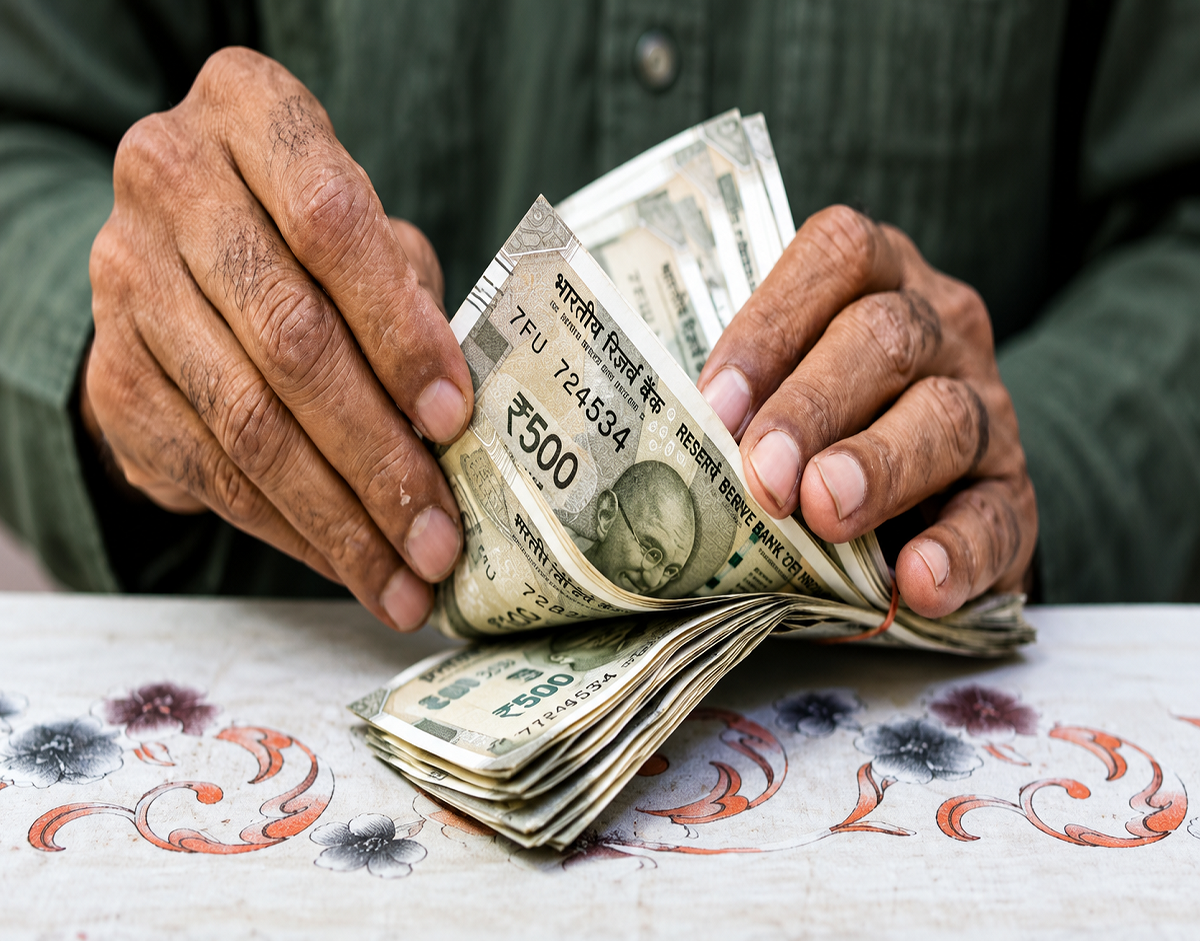

Gold and silver became cheaper in Delhi on Monday, September 21, 2026, as a stronger rupee and weaker international gold prices weighed on the local market. According to Moneycontrol’s evening market report, 24-carat gold fell ₹200 to ₹1,56,400 per 10 grams, while silver declined ₹5,000 to ₹2,42,000 per kilogram.
Silver saw the sharper move. Its reported decline was 2% from the previous session, compared with roughly 0.13% for gold.
| Metal | Previous session | September 21 price | Change |
|---|---|---|---|
| 24-carat gold, per 10 grams | ₹1,56,600 | ₹1,56,400 | Down ₹200 |
| Silver, per kilogram | ₹2,47,000 | ₹2,42,000 | Down ₹5,000 |
These are the Delhi prices cited in the evening report. Rates quoted by individual jewellers may differ, and a buyer’s final bill can also include making charges and applicable taxes.
Why did gold prices fall?
The decline in Delhi followed a softer day for gold overseas. The report put international spot gold at $4,353.48 per ounce, down $24.75, or 0.57%, at the time quoted. Silver was reported at around $66.27 per ounce, with little change internationally. That difference is a reminder that a local price need not move by the same amount as a global quote: currency movements and conditions in the domestic market also matter. Source: Moneycontrol
The rupee was one factor cited by traders. It strengthened by 15 paise to 95.81 against the US dollar on Monday, according to the report. Because internationally traded gold is priced in dollars, a stronger rupee can reduce its cost in rupee terms, even when the dollar price has changed only modestly.
Analysts quoted in the report also pointed to US interest rate expectations. Gaurav Garg, head of research at Lemonn, said concern about inflation and a firm stance from US Federal Reserve officials had helped keep the dollar and bond yields strong. Higher bond yields can make interest-bearing assets more attractive relative to gold, which does not pay interest.
What role did oil and Middle East tensions play?
Crude oil added another layer to the market picture. Mudrex lead quant analyst Akshat Siddhant said oil prices had fallen for a fourth consecutive session, easing some concern about inflation. Garg noted that West Texas Intermediate crude had moved below $100 a barrel as investors watched the possibility of more normal oil supplies from Saudi Arabia. Source: Moneycontrol
Cheaper oil may reduce inflation pressure, but the outlook remains uncertain. Continuing tensions and possible supply disruptions in West Asia could change expectations quickly. Those risks can also support demand for gold as a safe-haven asset. In other words, the forces affecting precious metals are pulling in different directions, and Monday’s fall alone does not establish where prices will go next.
What should buyers take from the latest prices?
For someone planning a jewellery purchase, the key figure is the price available from the seller at the time of purchase. Gold purity, making charges and taxes can make the payable amount different from a headline rate per 10 grams. Silver buyers should likewise confirm whether a quoted price applies to bullion, coins or finished goods.
Investors should distinguish these Delhi physical-market prices from exchange-traded futures and live international quotes. They represent different markets and may be recorded at different times. The evening report’s ₹1,56,400 gold figure, for example, should be read as a reported Delhi rate for September 21, not as a price guaranteed at every shop or throughout the following day.
Monday’s main development was straightforward: gold eased by ₹200 per 10 grams, while silver fell by ₹5,000 per kilogram in the Delhi prices reported by Moneycontrol. The rupee, overseas precious-metal prices, bond yields and oil developments remain useful indicators to watch, but none on its own can predict the next change in local rates.