Technology
Cyber Fraud Alert 2026: Beware of Fake SMS, Suspicious Links and Unknown Calls, Follow These Safety Tips
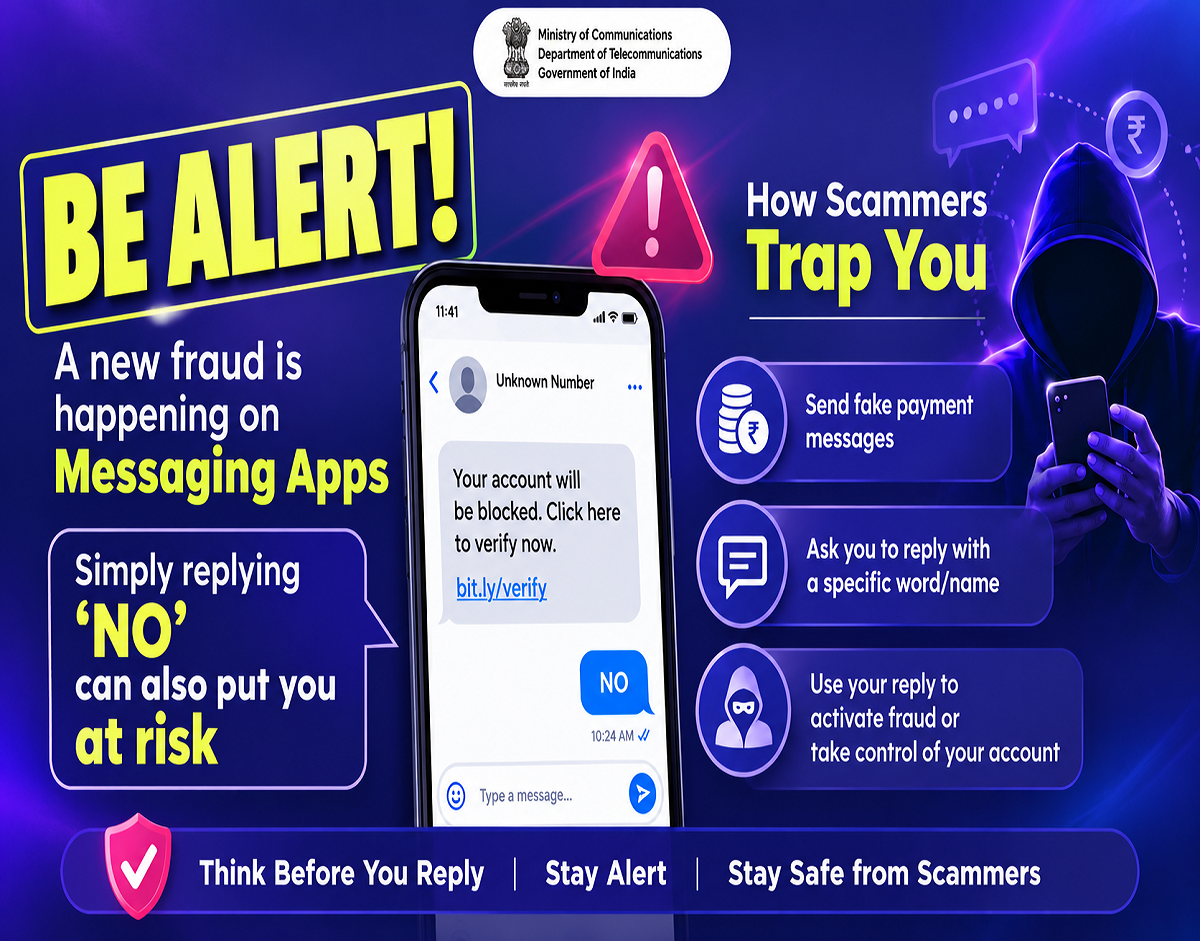
Cyber Security Alert 2026: Smartphone users across India are being advised to remain cautious about fraudulent messages, suspicious website links and calls from unknown numbers. Cybercriminals frequently use misleading information, fake offers and urgent warnings to trick people into revealing personal details or banking information.
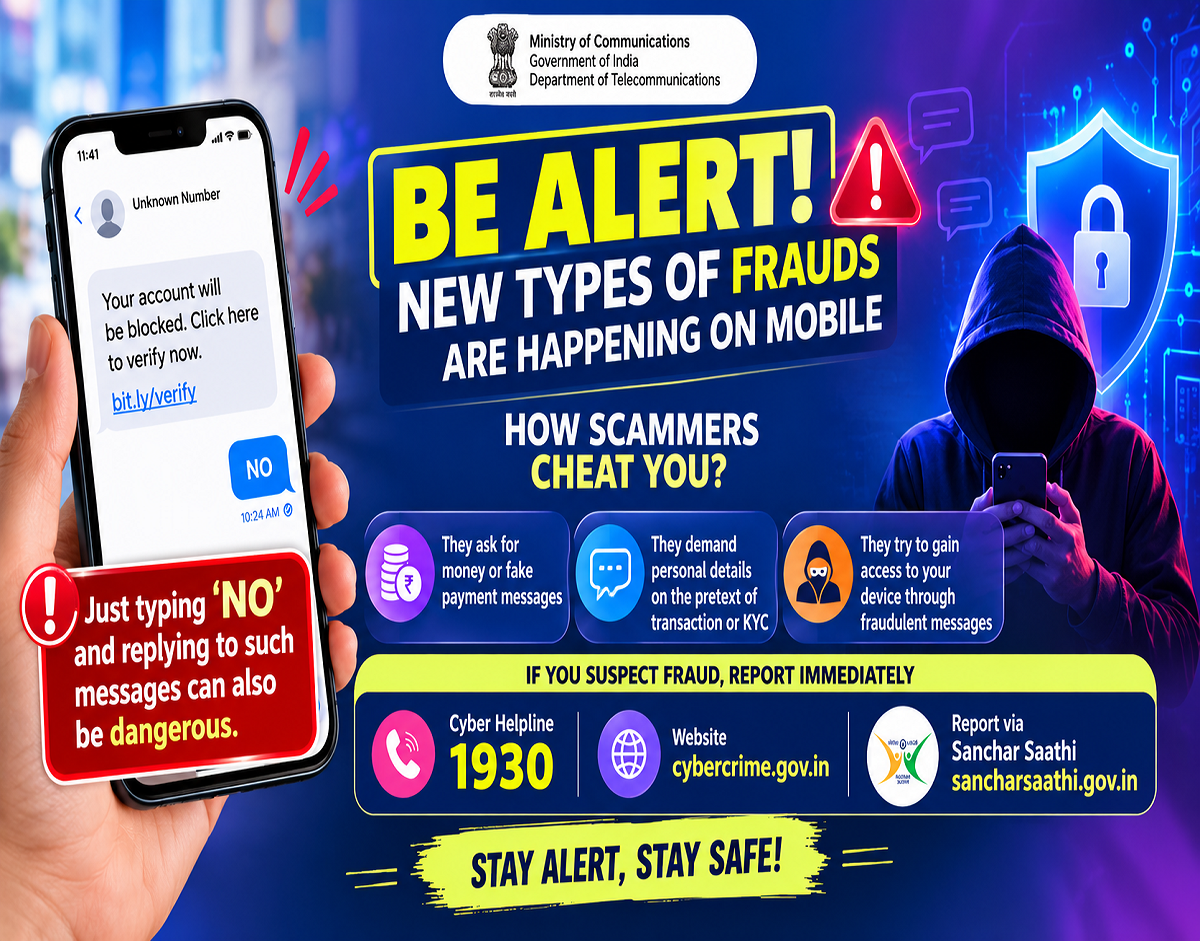
The Sanchar Saathi initiative is encouraging citizens to stay alert and avoid interacting with suspicious communications.
Fraudsters may impersonate banks, telecom companies, government departments or well-known businesses to make their messages appear genuine.
A single careless click on a malicious link or the disclosure of confidential information can expose users to financial fraud, identity theft or unauthorised account access.
Understanding common cybercrime techniques and following basic security precautions can significantly reduce these risks.
Cyber Fraud Alert: Why Should Mobile Users Be Careful?
Digital payments, online banking and mobile applications have made everyday transactions more convenient.
However, cybercriminals also use these services to target unsuspecting users.
Fraudulent messages often contain attractive offers, threats of account suspension or requests for immediate verification.
For example, a person may receive an SMS claiming that their bank account will be blocked unless they update their KYC information.
Another message may promise a cashback reward or government benefit and ask the recipient to open a website.
Such messages are designed to create urgency and encourage people to act without checking whether the information is genuine.
Users should remember that an official-looking message does not automatically mean it has been sent by a legitimate organisation.
Beware of Fake SMS and WhatsApp Messages
Fraudsters frequently send deceptive messages through SMS, WhatsApp and other communication platforms.
These messages may appear to come from banks, delivery companies, electricity providers or government agencies.
Some messages claim that a parcel cannot be delivered without paying a small fee.
Others warn that a mobile connection, electricity supply or bank account will be suspended.
The objective is often to persuade the recipient to click a fraudulent link, make a payment or disclose confidential information.
Users should avoid responding immediately to such messages.
Instead, they should verify the claim using the organisation's official website, application or independently confirmed customer service number.
Never Click Suspicious Links Received From Unknown Numbers
Malicious links are among the most common tools used in online scams.
A link may direct users to a fake website that closely resembles a legitimate banking or government portal.
The website may then request a mobile number, password, card details or OTP.
Some links may also encourage users to download harmful applications.
Before opening a link, check the sender and the website address carefully.
Shortened links, unusual spellings and unfamiliar domains should be treated cautiously.
Even a website displaying a security padlock or HTTPS connection is not necessarily trustworthy.
The safest approach is to open the organisation's official application or manually enter its verified website address.
Never Share OTP, UPI PIN or Banking Passwords
Confidential banking information should never be shared with unknown callers or through suspicious messages.
Fraudsters may pretend to be bank employees, customer support representatives or government officials.
They may claim that an OTP is needed to verify an account, process a refund or complete a transaction.
Users should never disclose sensitive information such as:
- OTPs received through SMS or other channels.
- UPI PINs and internet banking passwords.
- ATM PINs and card security codes.
- Login credentials and account recovery codes.
- Sensitive identity documents unless submitted through a verified and necessary process.
A legitimate customer support representative should not ask for your UPI PIN or banking password.
Remember that entering a UPI PIN generally authorises a debit transaction, not the receipt of money.
Common Cyber Fraud Tricks You Should Recognise
| Fraud Type | Common Warning Sign |
|---|---|
| Fake bank KYC message | Threatens immediate account suspension |
| Fraudulent delivery SMS | Requests payment through an unknown link |
| Fake electricity bill alert | Threatens disconnection unless money is paid |
| UPI payment scam | Asks for a PIN to receive money |
| Fake job offer | Demands advance registration or processing fees |
| Investment fraud | Promises unusually high or guaranteed returns |
| Fake customer support | Requests OTPs, passwords or remote access |
| Fraudulent government benefit | Asks for sensitive information through unofficial websites |
Recognising these warning signs can help users avoid common online scams.
What Is Sanchar Saathi?
Sanchar Saathi is an initiative of India's Department of Telecommunications designed to provide citizen-focused telecom security services.
The platform offers facilities related to mobile connections, suspicious communications and lost or stolen devices.
One important service is Chakshu, which allows users to report suspected fraudulent communications received through calls, SMS or WhatsApp.
Such reports can help the relevant authorities identify suspicious communication activity.
However, reporting a suspicious communication is different from reporting a completed financial fraud.
Users who have already lost money should follow the appropriate cybercrime reporting process.
How to Report Suspicious Calls and Messages on Sanchar Saathi
Users can report suspected fraudulent communications through the official portal.
- Visit Sanchar Saathi.
- Find the Chakshu reporting facility.
- Select the relevant communication category.
- Provide the suspicious mobile number or sender information.
- Enter the required details about the call or message.
- Submit the report through the official process.
The portal's available reporting categories and submission requirements may change.
Users should follow the instructions displayed on the official website.
What to Do if You Have Already Lost Money to Cyber Fraud
If money has been transferred to a fraudster or an unauthorised transaction has occurred, immediate action is important.
INDIA CYBER FRAUD EMERGENCY HELPLINE
1930
National Cybercrime Helpline
Copy
Report suspected financial cyber fraud promptly. You can also submit a complaint through the official cybercrime portal.
Victims should immediately contact their bank or payment service provider and request appropriate action on the affected account or transaction.
They can also report the incident through National Cyber Crime Reporting Portal.
Keep transaction IDs, screenshots, phone numbers and relevant messages as evidence.
Prompt reporting may improve the possibility of restricting further misuse or tracing funds, although recovery is not guaranteed.
Important Cyber Safety Tips for Smartphone Users
Users can improve their digital security by adopting a few simple habits.
Keep your smartphone and applications updated with the latest security patches.
Use strong passwords and enable additional authentication where available.
Avoid installing applications from unknown sources or granting unnecessary permissions.
Do not allow unknown callers to access your device through screen-sharing or remote-control applications.
Verify unexpected requests for money, even when they appear to come from friends or relatives.
If a message creates pressure to act immediately, verify its authenticity before taking any action.
Cyber Security Alert 2026: Stay Alert, Stay Safe
Cyber fraudsters continue to develop new ways to deceive mobile and internet users.
Fake messages, suspicious links and unknown calls can appear convincing, especially when they imitate trusted organisations.
However, users can reduce their exposure to these scams by checking information carefully and protecting their confidential details.
Never click an unfamiliar link, share an OTP or disclose banking credentials simply because a message claims to be urgent.
For suspicious telecom communications, use the official Sanchar Saathi platform. If financial fraud has already occurred, contact 1930 and report the incident promptly.
Staying informed and cautious remains one of the most effective ways to protect yourself against cybercrime.
Editorial note: This awareness article is based on the supplied Sanchar Saathi cyber safety message and includes general preventive guidance and official Indian cybercrime reporting channels.