Technology
Cyber Fraud Alert 2026: Beware of Fake Messages, Suspicious Links and Online Banking Scams
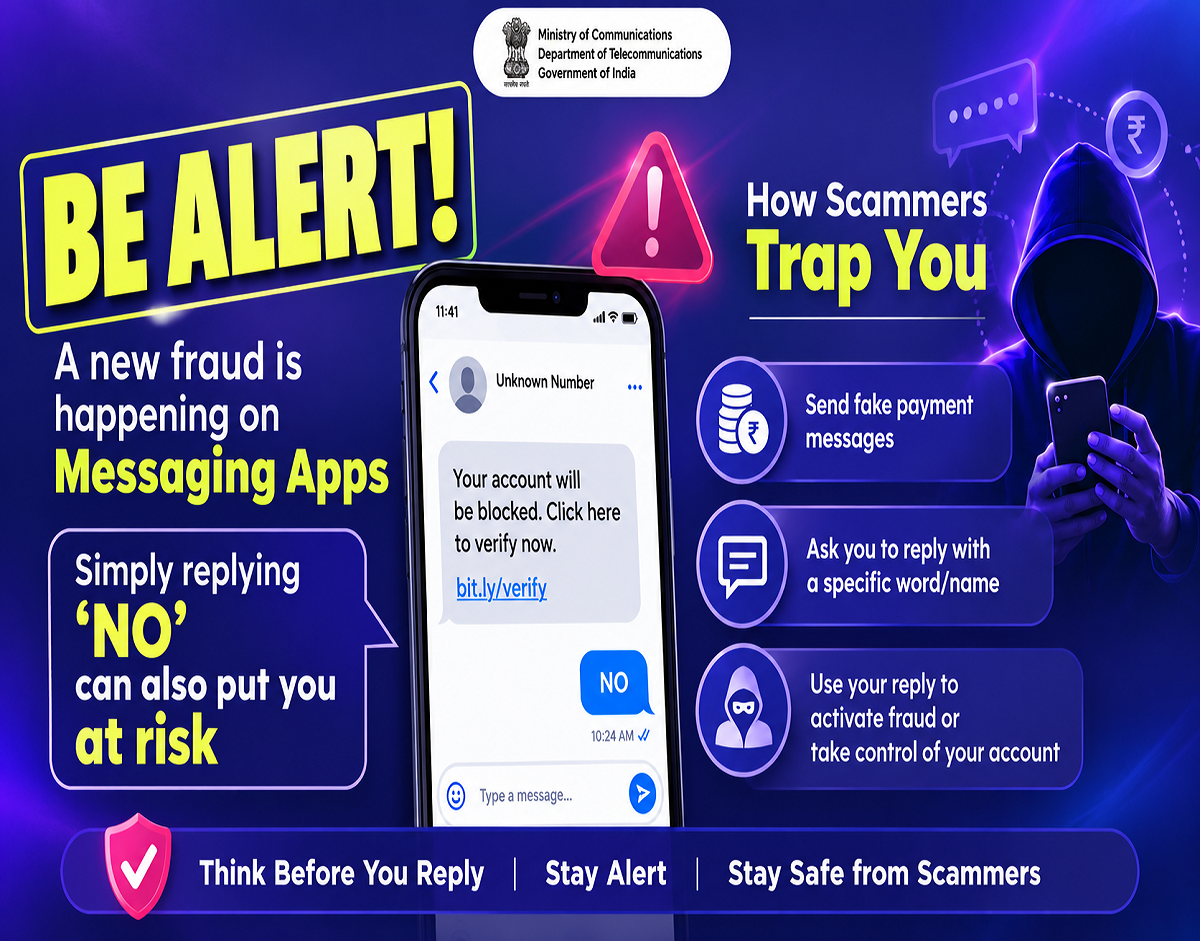
Cyber Security Alert 2026: As digital payments, online banking and smartphone services become part of everyday life, cybercriminals are finding new ways to deceive internet users. Fraudulent messages, suspicious website links and calls from unknown numbers are among the common methods used to steal personal information and financial details.
A public awareness advisory has urged citizens to remain cautious while using digital services. People are advised not to trust unverified messages, open suspicious links or disclose confidential banking information to unknown individuals.
Cyber fraud can affect anyone, including students, working professionals, senior citizens and business owners. Understanding common warning signs and following basic security precautions can help reduce the risk of financial loss and identity theft.
Cyber Fraud Warning: Why Online Users Must Remain Careful
The growing use of smartphones and digital financial services has made everyday transactions faster and more convenient. However, these services can also expose users to fraudulent communication and malicious websites.
Cybercriminals frequently impersonate banks, government departments, delivery companies, telecom operators and well-known businesses to gain people's trust.
Their messages may claim that a bank account will be blocked, a KYC update is urgently required or a reward is waiting to be collected.
Such claims are often designed to create fear, excitement or urgency, encouraging recipients to act without verifying the information.
Users should remember that the appearance of an official logo, familiar name or professional-looking website does not automatically establish authenticity.
Fake SMS and WhatsApp Messages: How Scammers Target People
Fraudulent messages are among the common techniques used in online scams.
These messages may contain false claims about banking services, government benefits, unpaid bills, courier deliveries or account verification.
For example, a message might warn that a bank account will be suspended unless the customer immediately clicks a link.
Another message may promise a cash reward or government payment after the recipient submits personal information.
The purpose is often to persuade the user to open a fraudulent website or provide sensitive information.
Before responding to any unexpected message, users should verify the claim through the organisation's official website or customer support channel.
Suspicious Links Can Put Your Banking Information at Risk
Unknown links shared through SMS, WhatsApp, email or social media can direct users to websites created to steal information.
Some fraudulent pages closely resemble genuine banking or payment websites.
They may request login credentials, debit card numbers, internet banking passwords or one-time passwords.
Other links may encourage users to download harmful applications.
Opening a suspicious link does not always result in immediate financial loss, but entering credentials, installing malicious software or granting dangerous permissions can significantly increase the risk.
Users should avoid opening unexpected links and manually visit official websites whenever they need to access financial services.
Unknown Phone Numbers: Beware of Impersonation Scams
Cybercriminals may also contact victims through phone calls while pretending to represent trusted organisations.
They may claim to be bank employees, police officers, customer care executives or government officials.
During these conversations, fraudsters sometimes attempt to obtain sensitive information or pressure individuals into making immediate payments.
A caller may also ask the recipient to install a remote-access application under the pretext of resolving a technical issue.
Such applications can expose information or give unauthorised access to the device if misused.
People should independently verify unexpected requests before taking any action.
Five Important Cyber Safety Rules Everyone Should Follow
| Safety Measure | Recommended Action |
|---|---|
| Suspicious Messages | Verify the sender and claims before responding |
| Unknown Links | Avoid opening unverified websites |
| Banking Information | Never disclose passwords, PINs or OTPs |
| Unexpected Calls | Confirm the caller's identity through official channels |
| Fraudulent Transactions | Report immediately through official cybercrime channels |
These precautions can help users recognise potential scams before confidential information is compromised.
Never Share Your OTP, UPI PIN or Banking Password
Confidential banking credentials are among the most valuable targets for financial fraudsters.
Users should never disclose their ATM PIN, UPI PIN, internet banking password or OTP to unknown callers or message senders.
A UPI PIN is generally required to authorise a payment, not to receive money through a normal UPI transfer.
Fraudsters sometimes exploit confusion about digital payment procedures by asking people to enter their UPI PIN while claiming they are processing a refund or prize.
Before approving any payment request, users should carefully check the recipient's details and transaction amount.
What Should You Do If You Receive a Fraudulent Message?
If an unexpected message appears suspicious, avoid interacting with the link or sharing any requested information.
Do not download attachments from unverified senders or install applications suggested by unknown callers.
Where possible, block the suspicious sender and report the communication through the relevant platform.
If the message claims to originate from a bank or government agency, contact that organisation using its verified website or official helpline.
Users should also avoid forwarding unverified warnings or promotional messages, as doing so can unintentionally spread fraudulent content.
How to Report Cyber Fraud in India
People who experience cyber-enabled financial fraud should act quickly.
India provides official reporting facilities for cybercrime complaints.
1930 — Cyber Financial Fraud Helpline
Call promptly to report suspected cyber-enabled financial fraud.
National Cyber Crime Reporting Portal
Submit complaints about online fraud and other cybercrimes.
Victims of banking fraud should also contact their bank immediately to report unauthorised transactions and request appropriate protective measures.
Early reporting can improve the possibility of stopping or tracing fraudulent transactions, although recovery of money is not guaranteed.
How to Protect Your Smartphone From Cybercriminals
Smartphone security is another important part of preventing online fraud.
Users should keep their operating systems and applications updated, preferably through official app stores.
Screen locks, strong passwords and additional account authentication can provide useful layers of protection.
It is also advisable to review application permissions and avoid installing software from unknown sources.
People should be particularly careful when an unknown individual requests screen-sharing access, remote control permissions or installation of an unfamiliar application.
These requests may be attempts to obtain access to sensitive information.
Cyber Fraud Alert 2026: Awareness Is Your Best Protection
Online scams continue to pose risks to individuals who use digital payments, social media and internet-based services.
Fake messages, misleading links and unknown callers may appear convincing, but users can reduce their exposure by verifying unexpected requests and protecting confidential information.
The public advisory reinforces a straightforward message: remain cautious, avoid suspicious links and never disclose personal or banking credentials to unverified sources.
Important: If you suspect that your banking details have been compromised or money has been transferred without authorisation, immediately inform your bank and report the incident through the official cybercrime helpline or reporting portal.
Staying informed and acting promptly can help protect both personal information and financial security.