Business
Credit Card Without a Bank Account: Can You Apply? Eligibility, Documents and Process Explained
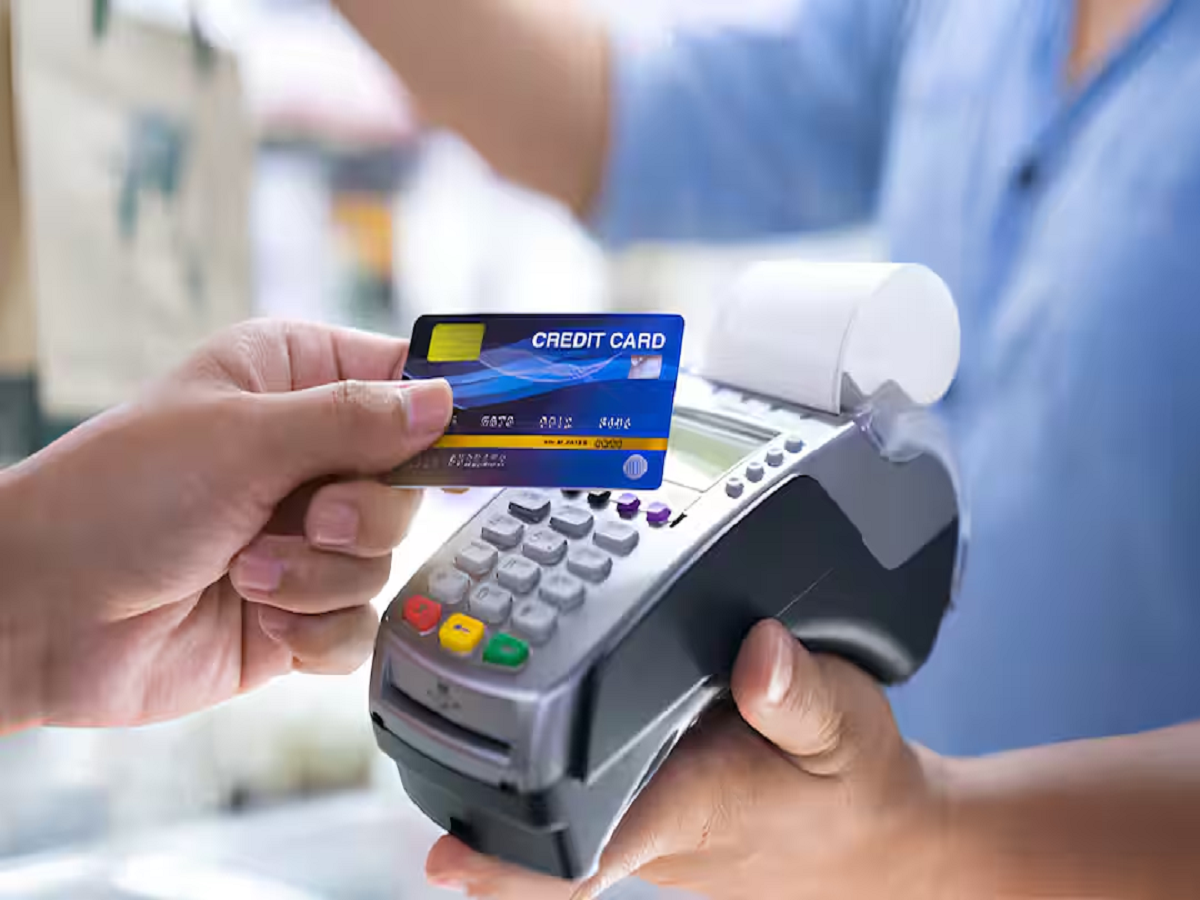
Many people believe that having a savings or current account with a bank is mandatory before applying for its credit card. However, this is not always the case. Several banks may issue a credit card even to applicants who do not maintain an account with them, provided they meet the lender’s eligibility requirements.
Instead of looking only at whether an applicant has an existing banking relationship, issuers generally assess factors such as income, occupation, repayment capacity and credit history. If the applicant satisfies the bank’s criteria, getting a credit card without holding an account with that particular bank may be possible.
Is a Bank Account Mandatory for Getting a Credit Card?
No, having an account with the same bank is not necessarily compulsory for every credit card application.
Banks usually evaluate an applicant’s overall financial profile before deciding whether to approve a card. This may include monthly or annual income, employment status, profession, credit score and the ability to repay dues on time.
Therefore, even if you are not an existing customer of the card-issuing bank, you may still be eligible to apply.
However, approval is not guaranteed. Every bank has its own internal eligibility rules, documentation requirements and credit assessment process.
Credit Score Plays an Important Role
A credit score can be one of the key factors considered during a credit card application.
Someone with a good repayment record and a strong credit history may have a better chance of getting an unsecured credit card. The bank may examine whether previous loans or credit card bills were paid on time and whether the applicant already carries significant debt.
A strong credit profile can also help the lender assess the applicant’s repayment behaviour.
On the other hand, people with no credit history may find it relatively difficult to qualify for certain regular credit cards. In such situations, a secured credit card backed by a fixed deposit can be an option.
Credit Card Against Fixed Deposit
Some banks offer credit cards against a fixed deposit, commonly referred to as secured credit cards.
This option can be useful for people who have little or no credit history. The fixed deposit acts as security for the bank, reducing its lending risk.
A person can use such a card for regular purchases and repay the outstanding amount according to the billing cycle. Responsible use and timely repayment may help in building a credit history over time.
The credit limit on an FD-backed card is generally linked to the value of the fixed deposit, although the exact ratio and terms can differ between issuers.
Documents Needed to Apply for a Credit Card
Applicants generally need to complete KYC and provide financial documents while applying for a credit card.
Commonly requested documents can include Aadhaar card or another accepted identity document, PAN card, address proof and income-related documents.
Depending on the bank and applicant profile, income proof may include salary slips, bank statements, income tax documents or other records accepted by the lender.
Banks may also ask for additional information depending on whether the applicant is salaried, self-employed or applying for a secured card.
Since documentation policies differ, applicants should check the exact requirements of the bank before submitting an application.
How to Apply for a Credit Card Without an Account at That Bank
The application process is generally similar to a normal credit card application.
You can usually apply through the bank’s official website, mobile platform or branch, depending on the facility offered by the issuer. The applicant is required to fill in personal, employment and income details and complete the required verification.
The bank then evaluates eligibility, creditworthiness and repayment capacity.
If the application is approved, the bank issues the credit card even though the applicant may not hold a savings account with that institution.
For an FD-backed credit card, the applicant may first need to create an eligible fixed deposit as required by the issuer.
Credit Card and Prepaid Card Are Not the Same
A prepaid card should not be confused with a credit card.
With a prepaid card, users first load their own money onto the card. They can then spend only the amount available in that balance.
A credit card works differently. The issuer provides a predefined credit limit, which the user can spend and repay later according to the billing terms.
This distinction is particularly important for people looking to build a credit profile.
Can a Prepaid Card Improve Your Credit Score?
Using a prepaid card generally does not work in the same way as using a credit facility because the user is spending money that has already been loaded onto the card.
A credit card, in contrast, involves borrowing within an approved limit. When used responsibly and repaid on time, credit card behaviour can contribute to a person’s credit history.
This is one reason why an FD-backed secured credit card can be useful for someone who is trying to establish a credit record.
Check Fees and Charges Before Taking a Credit Card
Eligibility should not be the only factor considered before choosing a credit card.
Applicants should carefully check the interest rate, annual fee, joining fee, late-payment charges and other applicable costs before accepting the card.
It is also important to understand the billing cycle, minimum amount due and consequences of carrying unpaid balances.
Paying only the minimum amount instead of the full bill can lead to interest charges on the remaining balance, depending on the card’s terms.
Use Credit Cards According to Your Repayment Capacity
A credit card can be a useful financial tool when used responsibly, but overspending can result in expensive debt.
Users should ideally spend only an amount they are confident they can repay within the required period. Timely repayment can also help maintain a healthier credit profile.
So, if you do not have an account with a particular bank, that alone may not prevent you from getting its credit card. Your income, creditworthiness, documentation and the bank’s eligibility criteria are likely to matter more. For applicants with limited credit history, a fixed-deposit-backed card may provide another route to obtaining credit and gradually building a repayment track record.