Technology
Aadhaar Authentication 2026: How Digital Identity Verification Simplifies Access to Government Services

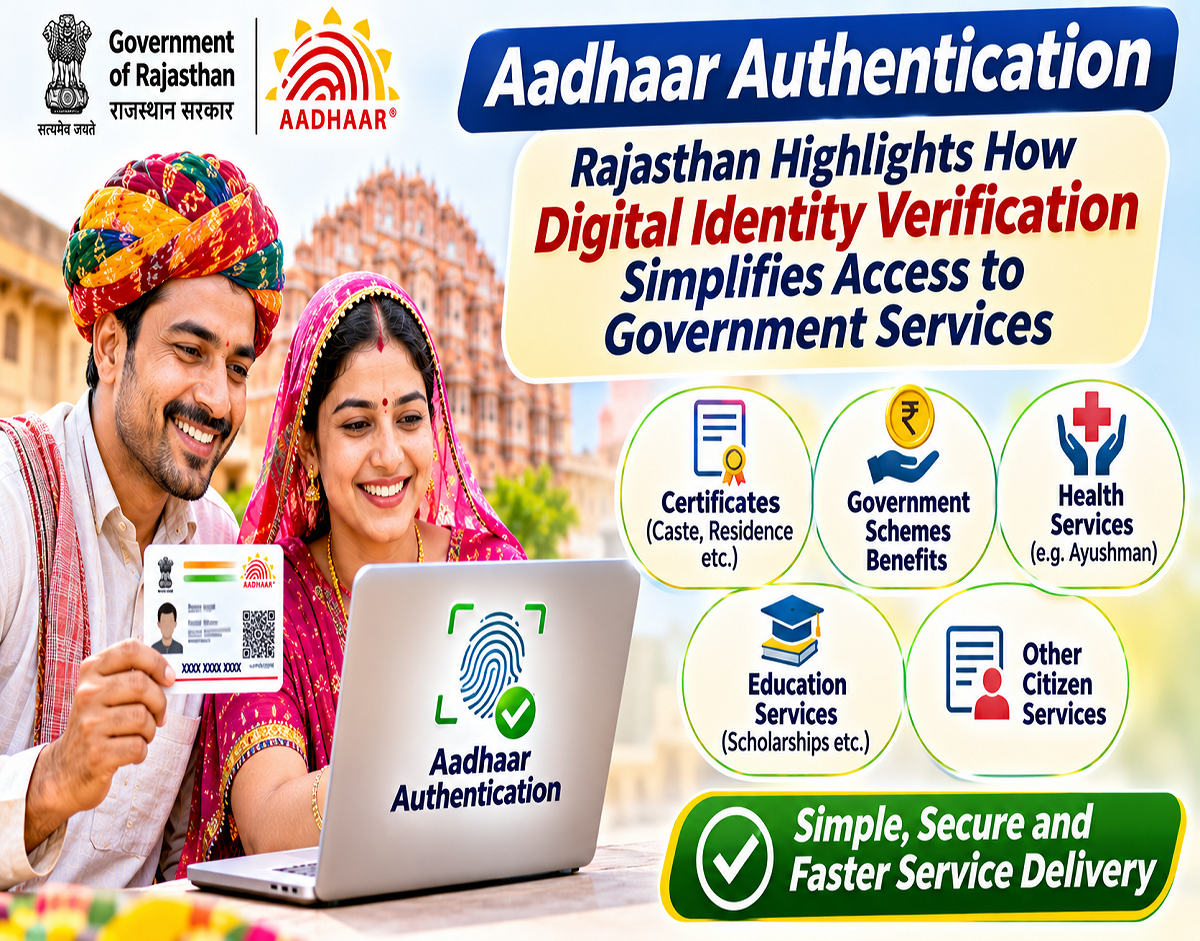
Digital identity verification has become an important component of India's technology-driven public service delivery system. From accessing welfare schemes to completing identity-related formalities, Aadhaar-based authentication helps eligible citizens establish their identity through digital channels.
The Aadhaar Authentication Ecosystem supports secure identity verification wherever Aadhaar authentication is applicable, helping government departments and authorised service providers simplify various administrative processes.
Developed under the framework of the Unique Identification Authority of India (UIDAI), the ecosystem enables identity verification through multiple authentication methods, reducing dependence on conventional paperwork.
The initiative supports India's broader digital governance objectives by facilitating accessible, efficient and technology-enabled public services.
What Is Aadhaar Authentication?
Aadhaar authentication is a process through which an individual's Aadhaar number, along with relevant demographic, biometric or other authentication information, is submitted to UIDAI's Central Identities Data Repository (CIDR) for verification.
The system verifies whether the submitted information matches the corresponding Aadhaar records.
This facility helps authorised organisations establish an individual's identity while delivering services where Aadhaar-based verification is permitted.
Aadhaar authentication does not independently establish citizenship or eligibility for every government welfare scheme. Beneficiaries must fulfil the respective programme's eligibility conditions.
Aadhaar Authentication Ecosystem: Key Highlights
| Particulars | Details |
|---|---|
| Service name | Aadhaar Authentication |
| Governing authority | Unique Identification Authority of India (UIDAI) |
| Primary objective | Digital identity verification |
| Authentication methods | OTP, biometric and demographic verification |
| Biometric options | Fingerprint, iris and face authentication |
| Major applications | Government services and authorised digital platforms |
| Aadhaar helpline | 1947 |
| Official website | uidai.gov.in |
Different Types of Aadhaar Authentication
The Aadhaar Authentication Ecosystem supports multiple verification methods depending on the requirements of the concerned service provider.
1. OTP-Based Authentication
Under this method, a One-Time Password (OTP) is sent to the mobile number registered with Aadhaar. The individual enters the OTP to complete the applicable identity verification process.
2. Fingerprint Authentication
Individuals can verify their identity using fingerprint scanning devices operated through authorised authentication systems.
3. Face Authentication
Aadhaar face authentication enables eligible users to verify their identity through facial recognition technology using compatible applications and devices.
4. Iris Authentication
This method uses an individual's iris information for biometric identity verification through supported scanning equipment.
5. Demographic Authentication
Demographic authentication involves verifying relevant personal information against Aadhaar records, depending on the authorised service requirements.
Where Is Aadhaar-Based Authentication Used?
Aadhaar authentication supports identity verification across several government programmes and authorised service delivery platforms.
| Service Category | Potential Application |
|---|---|
| Public Distribution System | Beneficiary identity verification |
| Government pension services | Digital Life Certificate generation |
| Direct Benefit Transfer | Beneficiary authentication where applicable |
| PM-KISAN | Aadhaar-based e-KYC |
| Healthcare schemes | Eligible beneficiary verification |
| Scholarship programmes | Student identity verification |
| Rural development schemes | Beneficiary authentication |
| Common Service Centres | Assisted digital service delivery |
| Financial services | Authorised Aadhaar-based identity verification |
The requirement for Aadhaar authentication varies according to the applicable laws, scheme guidelines and service provider requirements.
How Aadhaar Authentication Benefits Citizens
Digital identity verification can help simplify several processes that previously required physical documentation and manual verification.
Some important potential benefits include:
- Faster identity verification through digital platforms.
- Reduced dependence on physical documents.
- Simplified access to eligible government services.
- Improved efficiency in beneficiary verification.
- Reduced administrative paperwork.
- Support for transparent welfare distribution.
- Greater convenience through supported remote authentication services.
- Assistance in identifying duplicate or fraudulent beneficiary records.
These benefits depend on the availability, reliability and implementation of the authentication infrastructure.
How to Check Your Aadhaar Authentication History
UIDAI provides an online facility through which Aadhaar holders can review their authentication history.
Individuals can generally access this service by following these steps:
Step 1: Visit the official MyAadhaar Portal.
Step 2: Locate the Aadhaar Authentication History service.
Step 3: Enter your Aadhaar details and complete the required OTP-based verification.
Step 4: Select the relevant authentication type and date range, where available.
Step 5: Review the authentication records displayed on the portal.
If you notice unfamiliar authentication activity, contact UIDAI or the concerned service provider for clarification.
How to Protect Your Aadhaar Information
While Aadhaar-based authentication offers convenience, citizens should follow appropriate digital security practices to protect their personal information.
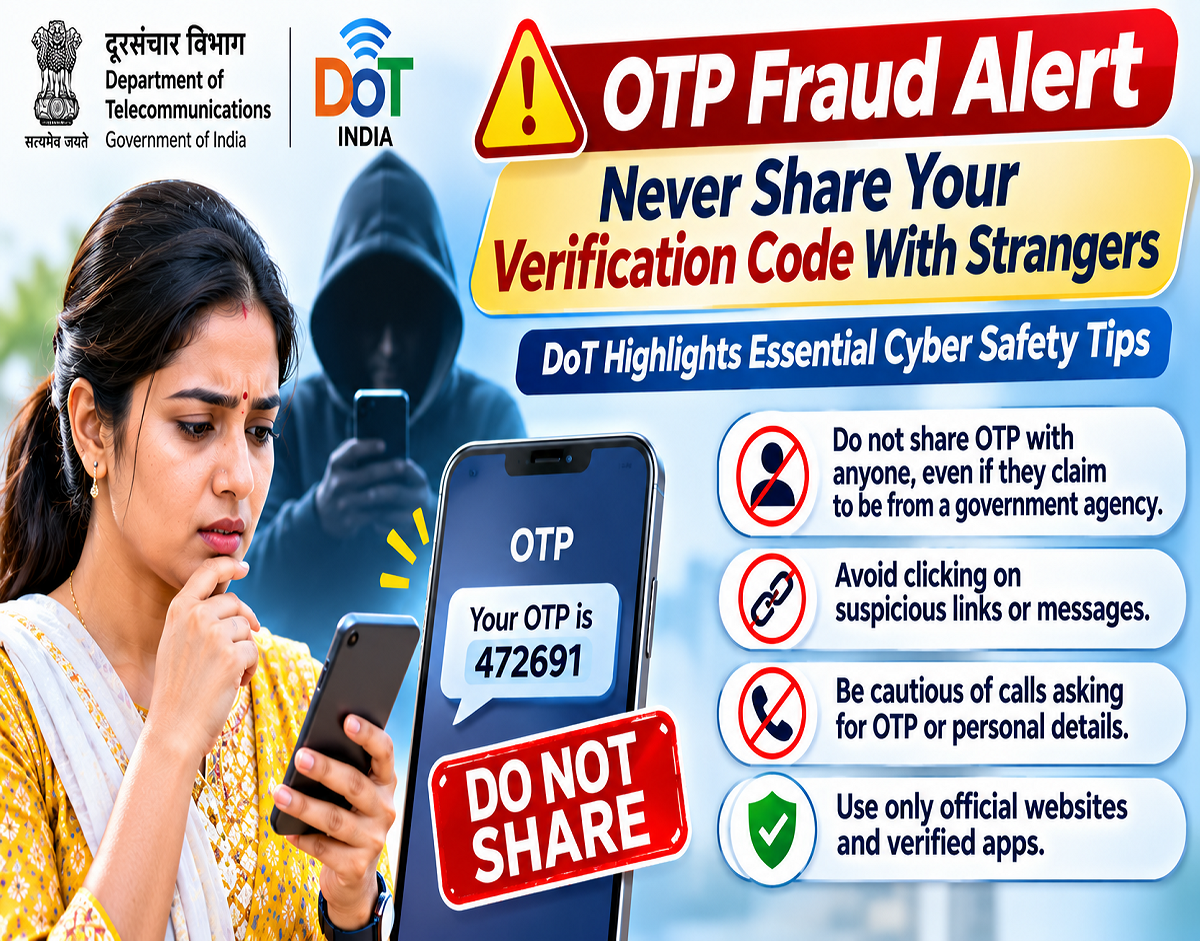
Never share Aadhaar OTPs with unknown individuals or unauthorised agents. Avoid uploading Aadhaar documents to suspicious websites or responding to unsolicited messages requesting identity verification.
UIDAI also provides privacy and security facilities such as biometric locking, Aadhaar locking, Masked Aadhaar and Virtual ID (VID).
Individuals can explore these facilities through official UIDAI platforms according to their requirements.
What Should You Do If Aadhaar Authentication Fails?
Authentication may occasionally fail due to biometric mismatches, outdated information, network connectivity problems or technical difficulties.
In such situations, individuals can request an alternative authentication method, wherever supported, or contact the concerned service provider.
Eligible beneficiaries should also enquire about alternative identity verification arrangements if Aadhaar authentication cannot be completed.
Citizens experiencing persistent Aadhaar-related difficulties can contact UIDAI's toll-free helpline or visit an authorised Aadhaar service centre.
Aadhaar Authentication: Important Websites and Helpline
| Service | Contact Details |
|---|---|
| UIDAI official website | uidai.gov.in |
| MyAadhaar Portal | myaadhaar.uidai.gov.in |
| Aadhaar toll-free helpline | 1947 |
| UIDAI support email | help@uidai.gov.in |
| Financial cyber fraud helpline | 1930 |
| Cybercrime reporting portal | cybercrime.gov.in |
Aadhaar Authentication Strengthens Digital Governance
The Aadhaar Authentication Ecosystem plays an important role in supporting technology-enabled identity verification across India's public service infrastructure.
By facilitating digital authentication wherever applicable, the system can help government departments improve administrative efficiency and simplify service delivery.
However, protecting personal information, ensuring accessibility and providing appropriate alternative verification mechanisms remain essential for inclusive digital governance.
Citizens should use authorised platforms and remain informed about Aadhaar-related privacy and security measures while accessing government services.
Note: The supplied awareness communication highlights the existing Aadhaar Authentication Ecosystem rather than announcing a new mandatory authentication rule or policy change in 2026. Scheme-specific requirements and current portal procedures have not been independently verified.
Source Credit: Aadhaar Authentication Ecosystem awareness communication, Unique Identification Authority of India (UIDAI), and UIDAI Official Portal.