
Health
Why Eating Fennel Seeds After Meals May Benefit Your Health: Science-Backed Reasons You Should Know
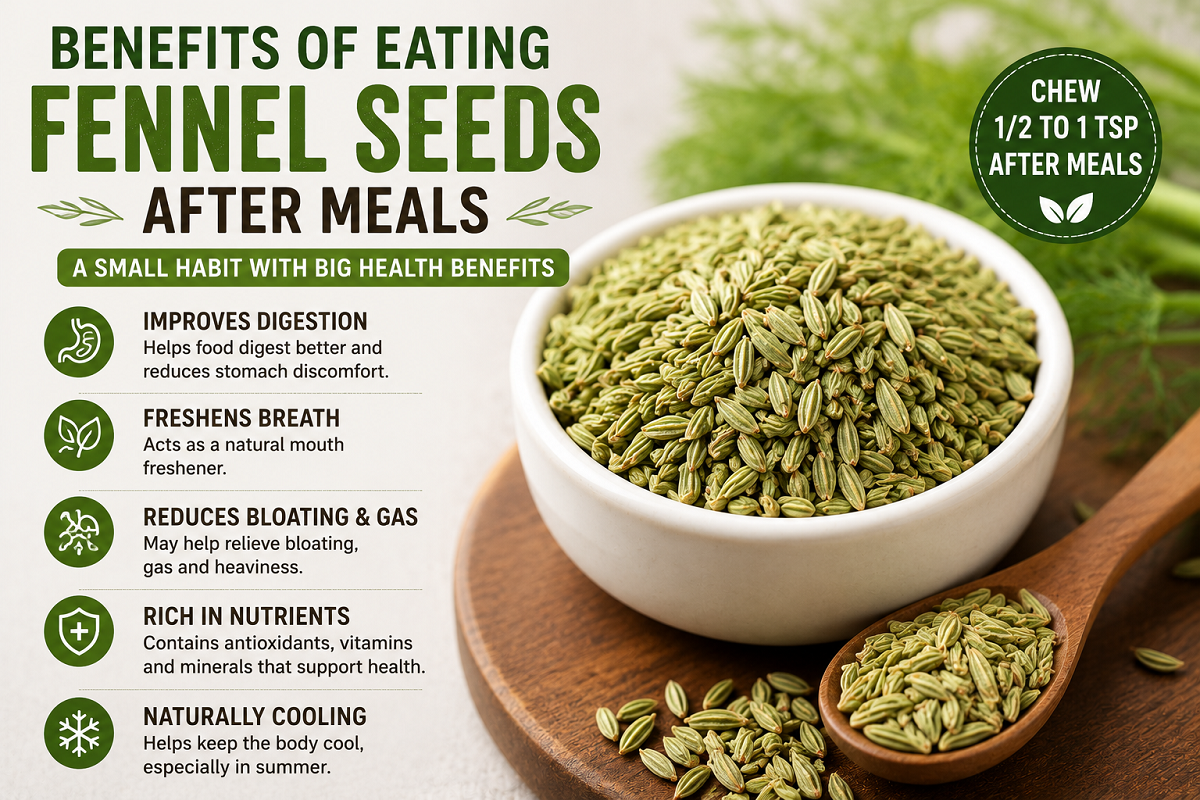
From Better Digestion to Fresher Breath, Here's Why Fennel Seeds Have Been a Trusted After-Meal Habit for Generations
Fennel seeds have long been served after meals in Indian households and restaurants, often as a natural mouth freshener. While many people enjoy their sweet, refreshing taste, this age-old tradition is supported by more than just cultural practice. Several studies and health experts suggest that fennel seeds may offer multiple digestive and nutritional benefits when consumed in moderation after eating.
Packed with beneficial plant compounds, fiber, vitamins, minerals, and antioxidants, fennel seeds can help support healthy digestion, reduce bloating, freshen breath, and provide essential nutrients. One of their key active compounds, anethole, is believed to play an important role in improving digestive function by relaxing the muscles of the digestive tract.
If you've ever wondered why so many people reach for a spoonful of fennel seeds after lunch or dinner, here's a closer look at the potential health benefits and the best way to include them in your daily routine.
Why Fennel Seeds Are Commonly Eaten After Meals
Nutrition experts say that digestion begins immediately after eating, and certain foods may help support this natural process. Fennel seeds contain compounds that may stimulate digestive enzymes, making it easier for the body to break down food efficiently.
Research published on scientific platforms has highlighted that fennel is more than just a traditional remedy. Its natural ingredients may help reduce gas formation, ease stomach discomfort, and support overall digestive health.
Because of these properties, fennel seeds continue to be a popular after-meal choice across many cultures.
1. May Support Healthy Digestion
One of the most widely recognized benefits of fennel seeds is their ability to promote smoother digestion.
The natural compound anethole is believed to relax digestive muscles, allowing food to move more comfortably through the digestive system. This may help improve the activity of digestive enzymes, making digestion more efficient.
People who frequently experience heaviness after meals may find that chewing a small quantity of fennel seeds provides a soothing effect.
2. May Help Reduce Gas and Bloating
Bloating and excessive gas are common digestive complaints, particularly after large or heavy meals.
Fennel seeds contain fiber and plant compounds that may help reduce intestinal discomfort and minimize gas formation. Their mild carminative properties are traditionally associated with easing digestive discomfort and supporting gut health.
While individual responses may vary, many people include fennel seeds in their routine to help manage occasional bloating.
3. Naturally Freshens Breath
Fennel seeds are widely used as a natural mouth freshener.
Their pleasant aroma helps reduce unpleasant mouth odor after eating, while chewing the seeds may also stimulate saliva production, contributing to improved oral freshness.
This is one reason why many restaurants serve roasted or plain fennel seeds at the end of a meal.
4. Provides Beneficial Nutrients
Although eaten in small quantities, fennel seeds contain several important nutrients, including:
- Dietary fiber
- Calcium
- Iron
- Potassium
- Magnesium
- Vitamin C
- Antioxidants
These nutrients contribute to overall wellness and help protect the body's cells from oxidative stress caused by free radicals.
5. May Offer a Cooling Effect During Summer
According to traditional dietary practices, fennel seeds are considered to have a naturally cooling effect on the body.
Many people consume them during hot weather to promote a feeling of freshness and comfort. While this belief is rooted in traditional wellness systems, moderate consumption can be a refreshing addition to a balanced diet.
What Experts Say
Health professionals have also discussed the digestive benefits of fennel seeds on educational platforms and social media. Gastroenterologists note that the natural compounds present in fennel may support digestive comfort, particularly when consumed in moderate amounts as part of a healthy lifestyle.
However, fennel seeds should not be considered a substitute for medical treatment if someone experiences persistent digestive problems or underlying gastrointestinal conditions.
How Much Fennel Should You Eat?
Experts generally recommend consuming half to one teaspoon of fennel seeds after a meal.
Chewing the seeds slowly helps release their natural oils, allowing you to enjoy both their flavor and potential digestive benefits.
Avoid consuming excessive amounts, as moderation remains important even with natural foods.
The Bottom Line
Eating fennel seeds after meals is more than just a traditional custom—it may offer several digestive and oral health benefits backed by nutritional science. From helping improve digestion and reducing bloating to naturally freshening breath and supplying valuable antioxidants, fennel seeds can be a simple addition to your daily routine.
While moderate consumption is considered suitable for most healthy adults, individuals with allergies, existing medical conditions, or those taking specific medications should consult a healthcare professional before making significant dietary changes. Combined with a balanced diet and healthy lifestyle, a small serving of fennel seeds after meals can be a refreshing way to support overall digestive wellness.