
Technology
Switch Sparks When Turned On? Know When It Is Normal and When It Could Signal an Electrical Hazard
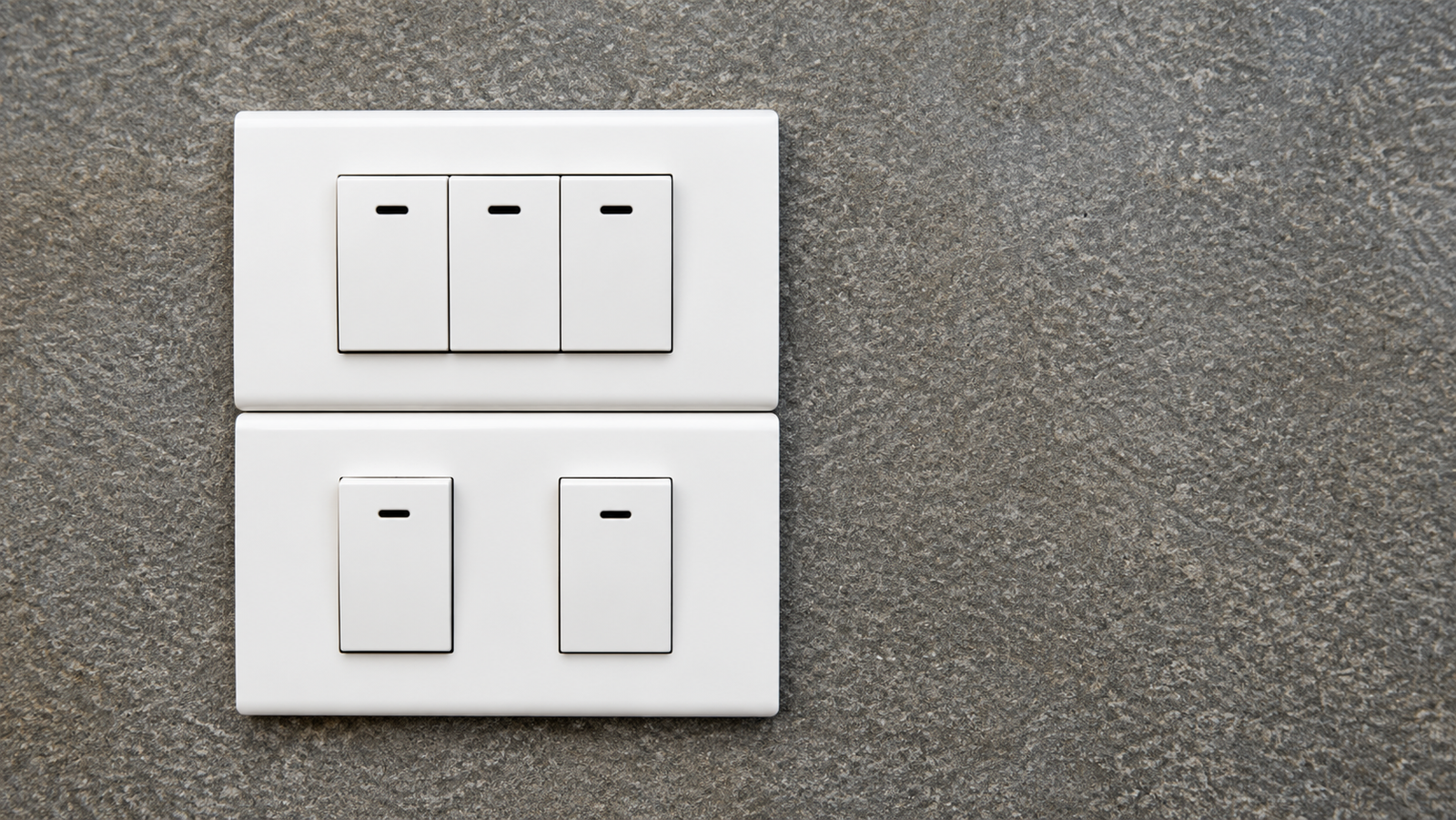
Turning on a light switch is such a routine activity that most people hardly think about what happens inside it. But if you suddenly notice a spark when pressing the switch, hear a crackling sound or smell something burning, the situation deserves attention.
A very tiny electrical arc can sometimes occur inside a switch when its contacts open or close the circuit. Such internal arcing may be part of normal switching and can be so small that it is not even visible. However, a bright visible spark, repeated sparking, unusual noise, excessive heat, smoke or a burning smell should not be treated as normal.
Understanding the difference can help prevent damage to wiring, electrical appliances and, more importantly, reduce the risk of an electrical fire.
Why Can a Switch Produce a Small Spark?
When you press a switch, metal contacts inside it connect or disconnect the electrical circuit.
During this extremely brief transition, a tiny electrical arc can sometimes form between the contacts.
In many cases, this happens inside the switch and is not visible from outside. A normal clicking sound when the switch is operated may also be expected.
The possibility of minor internal arcing can vary depending on the electrical load and the equipment being controlled. Older incandescent bulbs, higher-wattage fixtures or switches controlling heavier loads may behave differently from modern low-power lighting.
The key point is that a tiny internal arc is different from repeated or clearly visible sparking coming from the switch.
When Should Switch Sparking Be Considered Dangerous?
Certain warning signs should never be ignored.
If a bright spark can be clearly seen coming from the switch, there is a loud cracking or popping noise, smoke appears, a burning smell develops or the switch plate becomes unusually hot, there could be an electrical fault.
These symptoms may indicate problems such as loose wiring, deteriorated switch contacts, excessive electrical load, damaged wiring or abnormal electrical arcing.
Continuing to operate the switch without identifying the cause could worsen the problem.
Loose Connection Can Cause Sparking
A loose electrical connection is one possible reason behind repeated sparking.
Electrical wires are normally secured to terminals behind the switch. If a wire or terminal connection becomes loose, electrical current may not flow through the connection as intended.
This can contribute to intermittent contact and arcing.
A loose connection may also generate heat over time, which can damage the switch, wire insulation or surrounding electrical components.
Therefore, visible sparking should not simply be dismissed as “just a loose wire.” Even if a loose connection is the cause, it still needs to be corrected safely.
Old or Worn-Out Switches Can Also Be Responsible
Switches do not last forever.
Every time a switch is turned on or off, its internal contacts operate mechanically. After years of use, these metal contacts can become worn, damaged or deteriorated.
When the contacts no longer connect properly, electrical arcing may increase.
If an old switch has become loose, produces unusual sounds or repeatedly sparks, replacement may be necessary after the electrical circuit has been properly inspected.
Overloaded Circuit Can Create Problems
Excessive electrical load is another possible cause of overheating and abnormal behaviour.
Every switch and electrical circuit is designed for a particular load. Connecting equipment that places greater demand on the circuit than it is designed to handle can create safety problems.
This is particularly important when switches control higher-load equipment rather than ordinary low-wattage lighting.
If the switch becomes hot or the circuit breaker repeatedly trips, the underlying electrical load and wiring should be inspected rather than repeatedly resetting the breaker.
Incorrect Dimmer or Smart Switch Installation May Cause Trouble
Modern homes increasingly use dimmers, smart switches and connected lighting systems.
These devices may have installation and compatibility requirements that differ from those of conventional switches.
Incorrect wiring, incompatible bulbs or fixtures, or improper installation can lead to flickering, abnormal operation or other electrical issues.
If sparking starts after installing a new dimmer or smart switch, stop assuming that the new device is functioning normally and have the installation checked.
Burning Smell Is a Serious Warning Sign
A burning smell near an electrical switch should be treated seriously.
It can indicate that a component, wire insulation or connection is overheating.
The problem becomes even more concerning if the smell is accompanied by discoloration, melting, smoke, buzzing, crackling or visible sparks.
Do not continue switching the circuit on and off to see whether the problem disappears.
Electrical faults can become more dangerous as components heat up.
What Should You Do If a Switch Starts Sparking?
If you see significant sparking, smoke or signs of overheating, stop using the affected switch.
If it can be done safely, turn off the relevant circuit at the breaker or electrical panel. Do not repeatedly operate the faulty switch to “test” whether the spark happens again.
Avoid removing the switch plate or touching internal wiring while the circuit is energised.
Electrical wiring can remain hazardous even when the wall switch itself is in the off position, because power may still be present at parts of the circuit.
When Should You Call an Electrician?
Professional inspection is advisable if the switch repeatedly produces visible sparks, becomes hot, smells burnt or makes unusual cracking or buzzing noises.
An electrician should also inspect the system if you notice burnt or damaged wiring or if the circuit breaker keeps tripping.
If a switch has already been replaced but the sparking continues, the problem may be elsewhere in the circuit and should be professionally diagnosed.
Electrical faults should not be handled through trial and error, particularly when the person inspecting the system does not have appropriate electrical training.
Don't Ignore These Warning Signs
A tiny internal arc during normal switching is not the same as a visible electrical fault.
The most important warning signs include repeated visible sparking, loud popping or crackling sounds, a hot switch plate, smoke, burning odour, discoloration and repeated breaker trips.
Any combination of these symptoms deserves prompt attention.
A Small Spark Can Point to a Bigger Electrical Problem
Not every tiny arc inside a switch means your home's electrical system is unsafe. But a spark that is clearly visible, happens repeatedly or is accompanied by heat, noise, smoke or a burning smell should never be ignored.
Loose connections, worn switch contacts, overloaded circuits, damaged wiring and incorrectly installed electrical devices are among the possible causes.
The safest approach is simple: stop using a suspicious switch, isolate the circuit at the breaker if this can be done safely, and have the problem checked by a qualified electrician.
Trying to repeatedly test a sparking switch or opening live electrical wiring can turn a repairable fault into a serious shock or fire hazard.