Technology
Online Scam Alert 2026: Are You Cyber Smart? Learn How to Spot Digital Fraud Before Losing Money
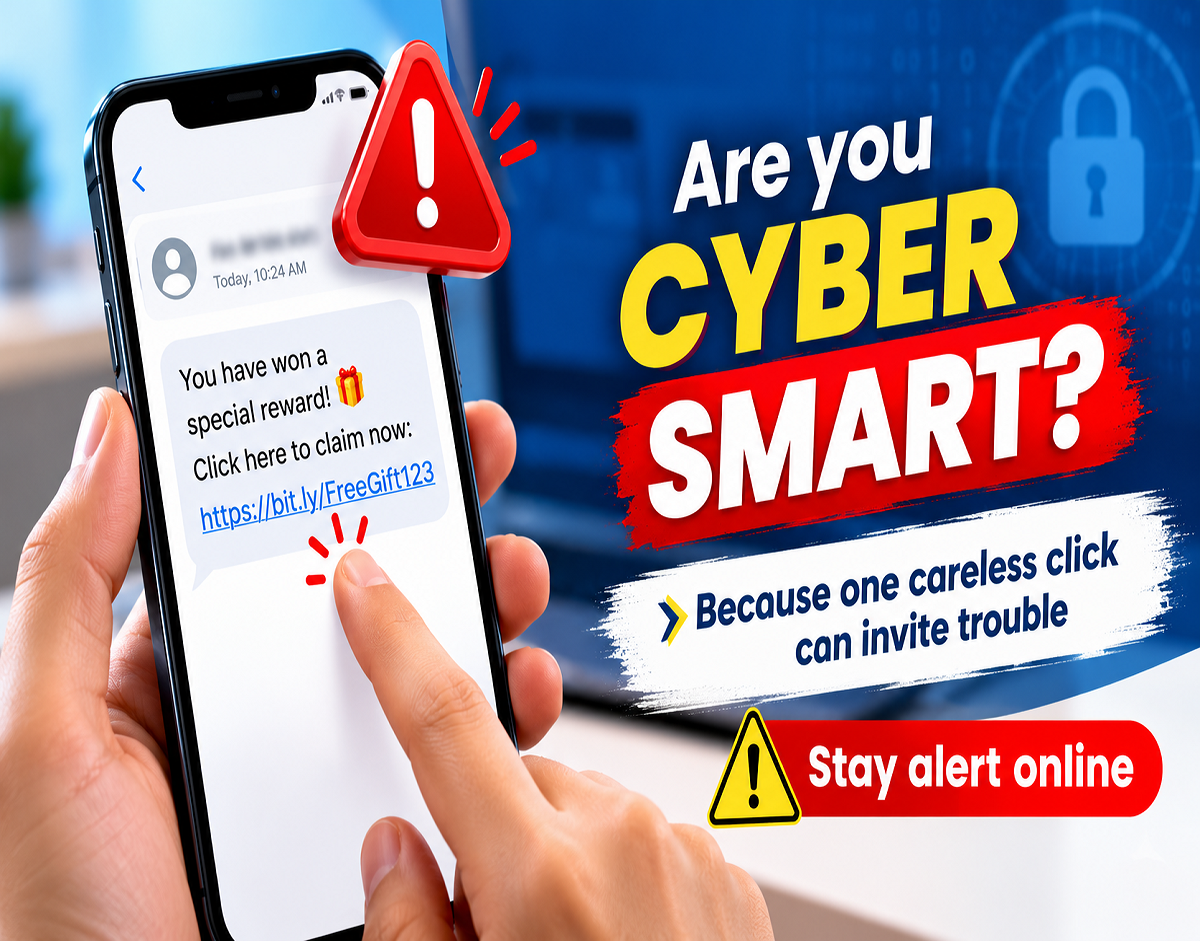
Cyber Safety Tips 2026: Online fraud has become a growing concern as more people use smartphones, digital banking, UPI payments, social media and shopping applications in their daily lives.
Cybercriminals often create convincing messages, fake websites and fraudulent offers to trick users into sharing sensitive information or transferring money.
A suspicious message may appear to come from a bank, government department, delivery company or even a friend. In some cases, fraudsters create a false sense of urgency to pressure people into acting without checking the details.
This raises an important question: Are you cyber smart enough to recognise an online scam before becoming a victim?
Understanding common fraud techniques and following a few basic security practices can significantly reduce the risk of financial loss and identity theft.
What Is an Online Scam?
An online scam is a fraudulent activity in which criminals use digital platforms to deceive individuals for financial gain or to obtain confidential information.
These scams can occur through text messages, emails, phone calls, social media, messaging applications and fraudulent websites.
Scammers may attempt to collect banking passwords, debit card details, OTPs, UPI PINs or personal identification information.
Some criminals impersonate trusted organisations, while others promise unrealistic financial rewards or investment returns.
The purpose is usually to convince victims to take an action that benefits the fraudster.
Seven Warning Signs of an Online Scam
Recognising suspicious behaviour is one of the most effective ways to protect yourself.
1. Messages Creating Unnecessary Urgency
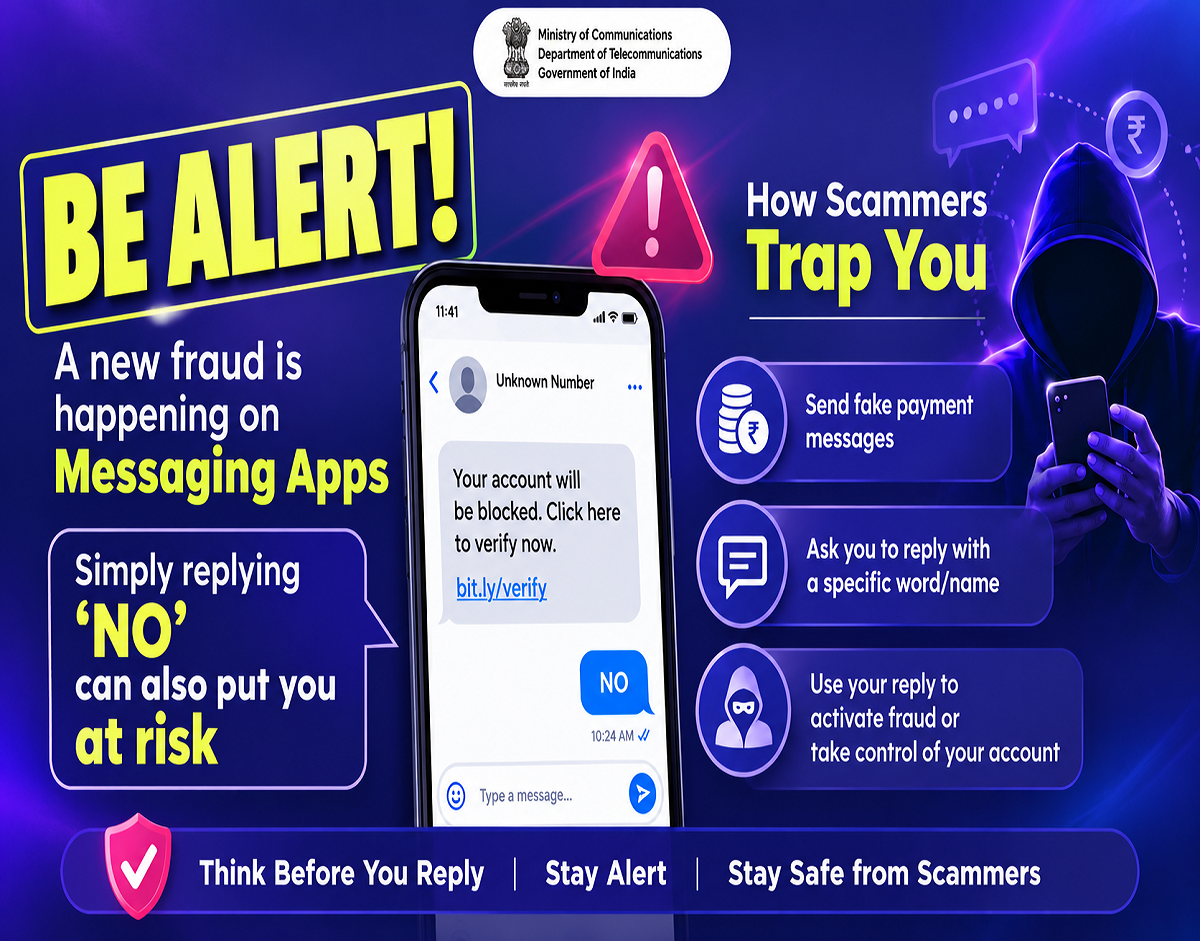
Fraudsters often claim that your bank account will be blocked, electricity connection disconnected or parcel cancelled unless you act immediately.
Such messages are designed to create panic.
Before responding, contact the organisation through its official website or verified customer support number.
2. Requests for OTPs or UPI PINs
A common warning sign is a request to share an OTP, banking password or UPI PIN.
These credentials are confidential and should never be disclosed to unknown individuals.
Remember that you do not need to enter your UPI PIN to receive an ordinary UPI payment.
A request to enter a PIN to collect money should be treated with caution.
3. Offers That Sound Too Good to Be True
Messages promising guaranteed investment returns, expensive gifts or unusually high earnings with little effort may be fraudulent.
Scammers often use attractive offers to encourage people to pay registration fees or transfer money.
Verify the organisation and its claims before making any financial commitment.
4. Suspicious Website Links
Fake websites may closely resemble official banking, shopping or government portals.
Criminals sometimes use slightly altered domain names to mislead users.
Before entering personal information, check the website address carefully.
Avoid opening unexpected links received through SMS, WhatsApp or social media.
5. Unknown Payment Requests
Fraudsters may send payment collection requests through UPI applications.
Some may falsely claim that approving the request is necessary to receive a refund, cashback or prize.
Always review the recipient, payment amount and purpose before authorising a transaction.
6. Fake Customer Support Numbers
Fraudsters sometimes publish misleading customer care numbers on websites, search listings or social media.
A person calling such a number may be persuaded to share sensitive information or install a remote-access application.
Use customer support details provided directly through the organisation's official website or application.
7. Requests to Install Unknown Applications
Some scammers convince victims to install screen-sharing or remote-access software under the pretext of resolving banking problems.
Such applications can expose sensitive information or allow unauthorised access if permissions are misused.
Never install unfamiliar software at the request of an unverified caller.
Common Types of Cyber Fraud in India
| Scam Type | How It Usually Works | Basic Precaution |
|---|---|---|
| Fake KYC update | Claims an account will be blocked | Verify directly with the bank |
| UPI fraud | Tricks users into authorising payments | Check requests and never share PINs |
| Investment scam | Promises unrealistic guaranteed returns | Verify the platform and regulatory status |
| Fake delivery message | Sends a fraudulent tracking or payment link | Use the official delivery website |
| Job scam | Demands payment for recruitment or employment | Verify the employer independently |
| Digital arrest scam | Impersonates officials and threatens arrest over video calls | Do not pay; contact police |
| Lottery scam | Claims a prize requires an advance fee | Avoid payments to claim unexpected prizes |
These scams may appear in different forms, but many rely on urgency, impersonation and manipulation.
What Is a Digital Arrest Scam?
Digital arrest fraud has attracted particular attention in India.
In these cases, criminals may impersonate police officers, investigators or government officials.
They sometimes accuse victims of involvement in illegal activities and threaten immediate legal consequences.
Fraudsters may also use video calls, fabricated documents or fake identification to make their claims appear convincing.
Victims can be pressured into transferring money to supposedly clear their names or resolve an investigation.
People should remember that criminals can misuse the names and identities of genuine authorities.
Anyone receiving such threats should independently contact the relevant law enforcement agency and report the incident.
How to Protect Your Bank Account From Online Fraud
Banking customers should follow basic digital security precautions.
Use strong passwords and enable available additional authentication features.
Avoid accessing sensitive banking services through unfamiliar links or unsecured devices.
Regularly review account transactions and activate transaction alerts where available.
If an unexpected payment occurs, immediately contact the bank through an official channel.
Quick reporting can improve the chances of appropriate action, although recovery of lost money is not guaranteed.
What Should You Do If You Become a Cyber Fraud Victim?
In India, victims of suspected financial cyber fraud can report the incident through the national cybercrime reporting system.
The government provides the 1930 cybercrime helpline for reporting financial cyber fraud.
Complaints can also be submitted through the National Cyber Crime Reporting Portal at https://cybercrime.gov.in/.
If you suspect that money has been transferred fraudulently, take action immediately.
Contact your bank or payment service provider, report the transaction and preserve relevant evidence.
Evidence may include transaction IDs, screenshots, messages, phone numbers and website links.
If passwords or account credentials have been exposed, change them through the official service and follow the provider's account recovery instructions.
How Can You Become More Cyber Smart?
Cyber awareness begins with developing the habit of verifying information before acting.
Do not trust a message simply because it contains a familiar company logo or appears to come from an official-looking account.
Check unexpected financial requests independently.
Avoid forwarding suspicious links or unverified warnings to friends and family.
Parents and older family members may also benefit from discussions about common fraud methods, particularly impersonation calls and fake payment requests.
Cybersecurity is not only about technology. It also involves recognising attempts to influence decisions through fear, excitement or urgency.
Test Your Cyber Awareness
Consider these situations:
Situation 1: You receive a message saying your bank account will be blocked in 30 minutes unless you click a link and update your KYC details.
The safer response is to avoid the link and contact the bank through an official channel.
Situation 2: A stranger offers to send you ₹5,000 but asks you to enter your UPI PIN first.
This is a warning sign because receiving an ordinary UPI payment does not require entering your PIN.
Situation 3: Someone claiming to be a police officer demands money during a video call to prevent your arrest.
Do not transfer money. End the suspicious interaction and contact the appropriate authorities independently.
Recognising these warning signs can help prevent avoidable losses.
Final Update
Online scammers are constantly changing their methods, but many fraud attempts still rely on familiar techniques such as fake urgency, attractive offers, impersonation and requests for confidential information.
Being cyber smart means questioning suspicious messages, checking official sources and protecting your banking credentials.
Never share your OTP, UPI PIN or passwords with unknown individuals, and report suspected financial cyber fraud promptly through 1930 or cybercrime.gov.in.
The next time you receive an unexpected payment request or suspicious link, take a moment to verify it before responding.
Are you cyber smart enough to identify an online scam? Share your experience and awareness tips in the comment section.