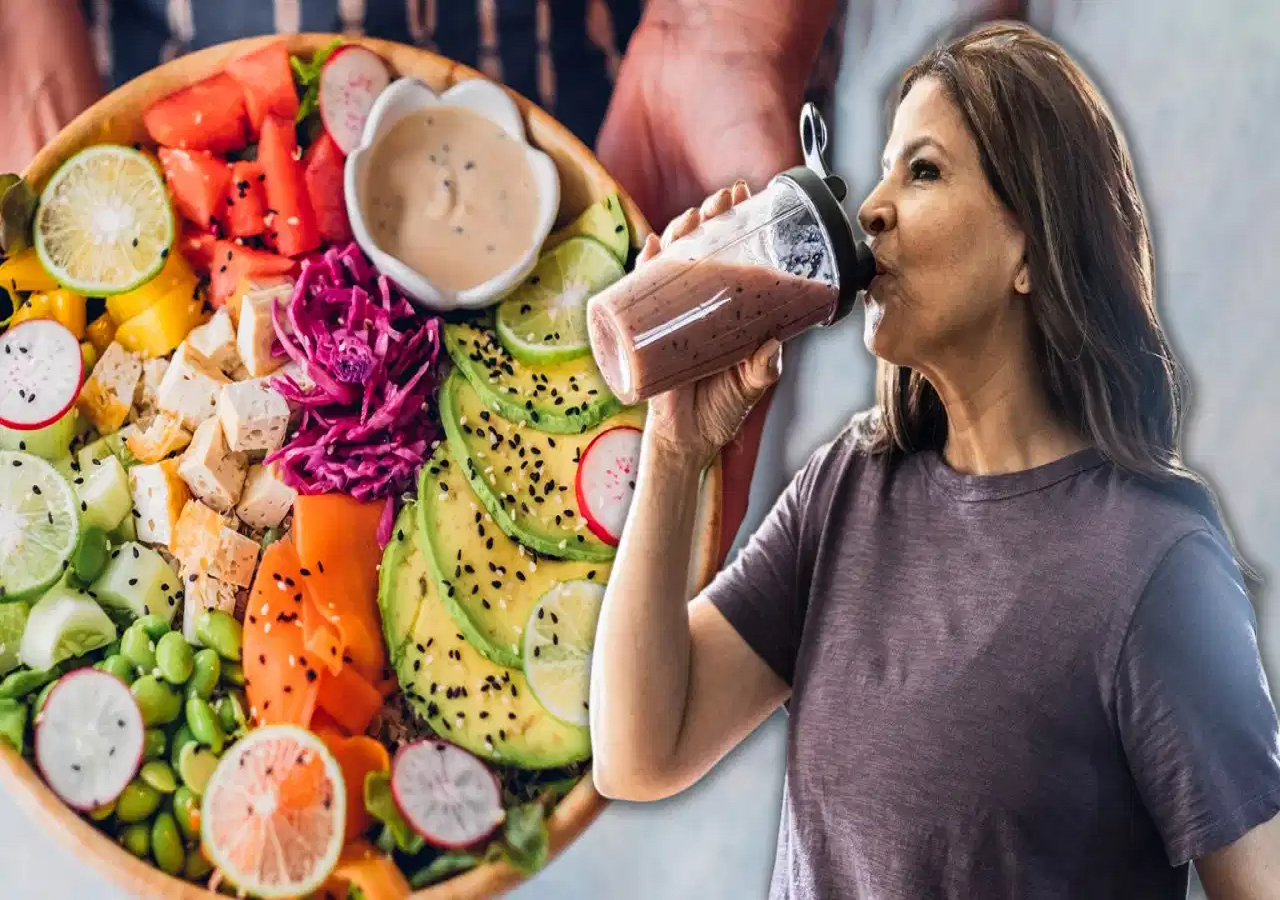
Protein Diet Tips: Protein is an essential nutrient that supports muscle growth, tissue repair, and overall body function. However, consuming more protein than your body needs is not always beneficial. Health experts say that while protein is vital, balance is equally important.
Protein has become one of the most talked-about nutrients, with high-protein diets gaining popularity among fitness enthusiasts and people looking to lose weight. While adequate protein intake is important for maintaining muscles, skin, hair, and other body tissues, experts warn that consuming excessive amounts over a long period may not be suitable for everyone.
The key, according to nutrition specialists, is to consume protein based on your age, activity level, and overall health rather than assuming that more is always better.
Why Protein Is Important
Protein is made up of amino acids, which are the building blocks of the body. It plays a crucial role in:
- Building and repairing muscles
- Supporting healthy skin, hair, and nails
- Maintaining body tissues and organs
- Producing enzymes and hormones
- Supporting immune function
A balanced intake of protein helps the body recover after physical activity and supports normal growth and maintenance.
Is Too Much Protein Harmful?
According to dietitians, healthy individuals can generally tolerate a higher-protein diet for a limited period, especially if they are physically active or engaged in strength training.
However, consuming excessive amounts of protein over a long period—particularly from red meat and processed meat—may have potential health drawbacks.
These foods can also contain higher levels of saturated fat, which may increase the risk of cardiovascular problems when consumed in excess as part of an unbalanced diet.
People with Kidney Disease Should Be Careful
Experts advise that individuals who already have chronic kidney disease or reduced kidney function should avoid excessive protein intake unless recommended by their healthcare provider.
According to clinical dietitians, a high-protein diet can place additional strain on damaged kidneys because they must work harder to remove protein metabolism waste products from the body.
Some research has also suggested that consuming very high amounts of animal protein may increase the risk of kidney stones in certain individuals, although the risk varies depending on overall diet, hydration, and personal health factors.
Don't Focus Only on Protein
Nutrition experts say one of the biggest mistakes people make is building their entire diet around protein while neglecting other essential food groups.
Reducing the intake of:
- Fruits
- Vegetables
- Whole grains
- Pulses and legumes
may result in lower consumption of dietary fiber, vitamins, and minerals.
An unbalanced eating pattern can increase the likelihood of digestive issues such as constipation and may reduce the overall nutritional quality of the diet.
Choose Protein from Different Sources
Instead of relying on a single source, experts recommend including a variety of protein-rich foods throughout the week.
Healthy protein options include:
- Lentils and pulses
- Beans
- Chickpeas
- Nuts and seeds
- Milk and dairy products
- Eggs
- Fish
- Lean poultry
Combining plant-based and animal-based protein sources can help provide a wider range of nutrients while supporting a balanced diet.
How Much Protein Do You Need?
Protein requirements vary depending on several factors, including:
- Age
- Body weight
- Physical activity level
- Health conditions
- Fitness goals
- Pregnancy or breastfeeding
For most healthy adults, the recommended dietary allowance (RDA) is 0.8 grams of protein per kilogram of body weight per day. People who exercise regularly, older adults, or those recovering from illness may require more, but individual needs should ideally be determined with guidance from a qualified healthcare professional or registered dietitian.
The Bottom Line
Protein is an essential part of a healthy diet, but consuming excessive amounts does not automatically lead to better health or improved fitness. Experts recommend focusing on a balanced eating pattern that includes adequate protein along with fruits, vegetables, whole grains, healthy fats, and sufficient hydration.
For people with kidney disease or other medical conditions, protein intake should always be discussed with a healthcare professional before making major dietary changes. A balanced diet—not just a high-protein one—remains the foundation of long-term health and wellbeing.