Business
LPG Cylinder Booking Rule: Consumers May Have to Wait this many Days Before Ordering the Next Refill
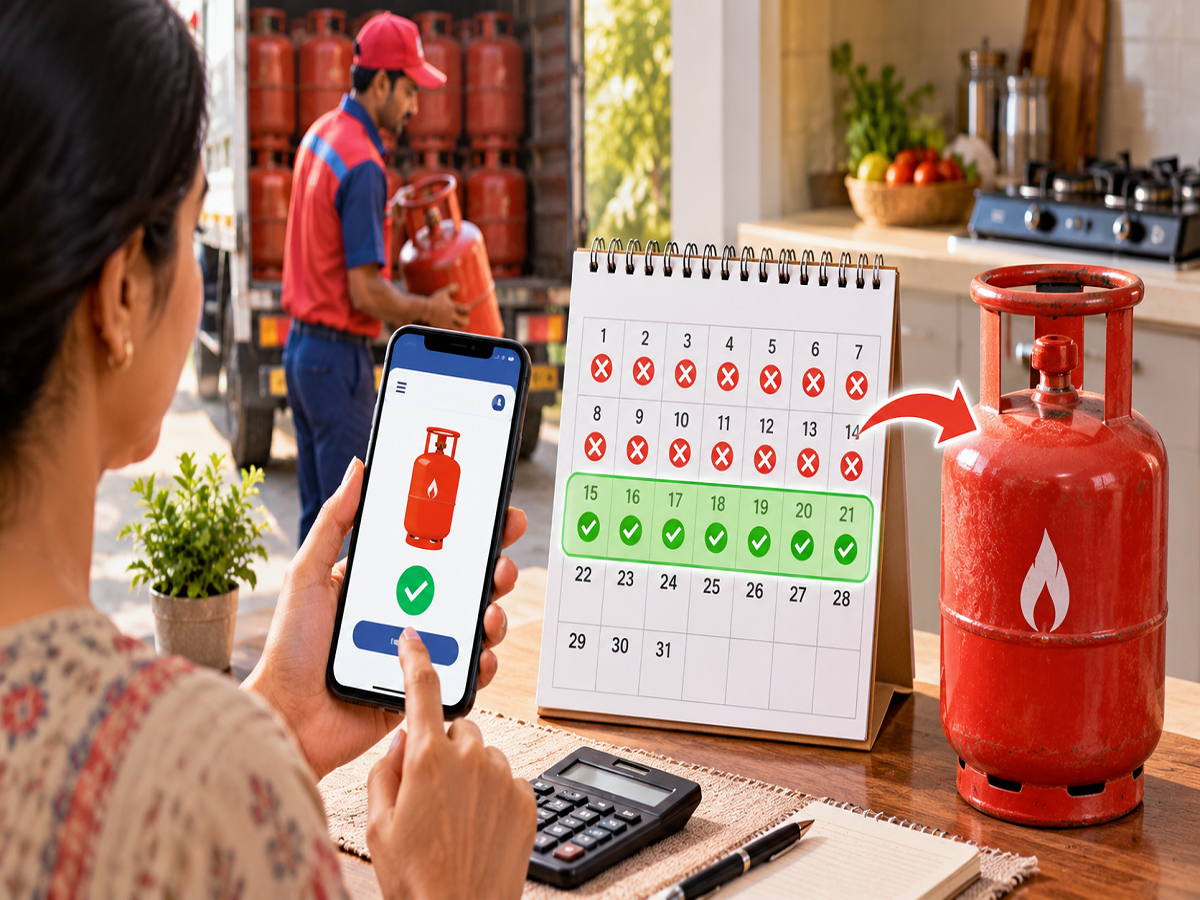
LPG Cylinder Booking Rule: Domestic LPG consumers should be aware of an important rule concerning the gap between two cylinder bookings. According to the information provided, the booking interval for consumers in both rural and urban areas has now been standardised at 25 days.
This means that eligible consumers covered by the rule may have to wait for the prescribed 25-day period before booking another LPG refill.
The move is aimed at bringing uniformity to the cylinder-booking system. Instead of having different intervals based on whether a consumer lives in a city or a rural area, the same booking-gap rule will apply to both categories.
For households that depend entirely on LPG for everyday cooking, understanding the booking interval can help them plan their next refill and avoid last-minute inconvenience.
What Is the New LPG Cylinder Booking Interval?
According to the details provided, the cylinder booking interval has been fixed at 25 days for both urban and rural consumers.
In simple terms, a consumer cannot necessarily place another refill order immediately after receiving a cylinder. The next booking would be governed by the applicable 25-day interval.
The standardised system means that the rural-versus-urban distinction in the booking gap has effectively been removed.
Consumers should therefore keep the 25-day period in mind while planning their household LPG requirements.
Why Does the Booking Gap Matter?
LPG cylinders are an essential household requirement for millions of families. Many consumers do not think about their next refill until the cylinder currently in use is close to becoming empty.
A mandatory interval between bookings makes advance planning more important.
Suppose a household receives a cylinder and consumes LPG faster than expected. If the minimum booking interval has not been completed, placing another refill request could become difficult until the prescribed period is over.
Families with comparatively high LPG consumption should therefore keep track of their delivery and booking dates.
Same Rule for Rural and Urban Consumers
The most notable part of the change is the uniformity of the booking interval.
Under the information provided, consumers in villages and cities will now follow the same 25-day booking gap.
A common interval can make the system easier to understand because customers no longer need to determine whether different booking-gap rules apply based on their location.
For LPG distributors and consumers, a standardised framework may also simplify the refill-booking process.
Does 25 Days Mean a Cylinder Must Last Exactly 25 Days?
Not necessarily.
The 25-day period refers to the booking interval, not a guarantee about how long one cylinder will last.
Actual LPG consumption differs significantly from one household to another.
A small family that cooks only a few meals each day may use a cylinder for much longer. A larger household or one that uses LPG more extensively may consume the same quantity much faster.
Cooking habits, family size and frequency of use can all influence how long a domestic cylinder lasts.
Consumers should therefore distinguish between the duration of LPG consumption and the minimum interval governing the next booking.
Keep Track of Your Last Booking and Delivery
Consumers who frequently order LPG refills should maintain a record of their previous booking and delivery.
Most LPG booking systems provide transaction information through SMS notifications, mobile applications or other digital channels. These records can help customers determine when their previous refill was processed.
If a new booking is not being accepted, the booking interval could be one of the factors worth checking.
However, consumers should also remember that booking and delivery are separate stages. Actual cylinder delivery can depend on distributor availability and local supply conditions.
Don't Wait Until the Cylinder Is Completely Empty
Households that rely solely on LPG should plan their refill requirements carefully.
Waiting until the existing cylinder is completely empty before checking eligibility for another booking could create inconvenience, particularly if the required booking interval has not been completed.
Consumers with an authorised second cylinder or double-bottle connection may have greater flexibility, subject to the applicable rules of their LPG provider.
Keeping track of average monthly consumption can also help households estimate when they are likely to require their next refill.
What If You Cannot Book Another Cylinder?
If a refill request is rejected despite completion of the required interval, consumers should first check the status of their LPG connection and previous booking.
There could be other reasons for a failed transaction, including an existing pending order, technical problems or distributor-related issues.
In such situations, customers can contact their authorised LPG distributor or use the official customer-service channels of their oil marketing company.
Consumers should avoid relying on unknown agents or unofficial numbers for LPG-related payments, KYC updates or booking assistance.
LPG Consumers Should Check the Rule Applicable to Their Connection
While the information provided states that the booking interval has been standardised at 25 days for rural and urban consumers, LPG customers should verify the conditions applicable to their particular connection and supplier before planning a refill.
Rules can differ depending on the type of LPG connection, customer category, subsidy scheme or subsequent policy changes.
The key takeaway for consumers is simple: the stated booking gap is now 25 days for both rural and urban areas. Keeping track of the previous refill date can help families plan their next cylinder booking more effectively and reduce the risk of running out of cooking gas unexpectedly.