Business
BPCL Urja Devi Initiative 2026: New Earning Opportunities for Rural Women Through Skills and LPG Services
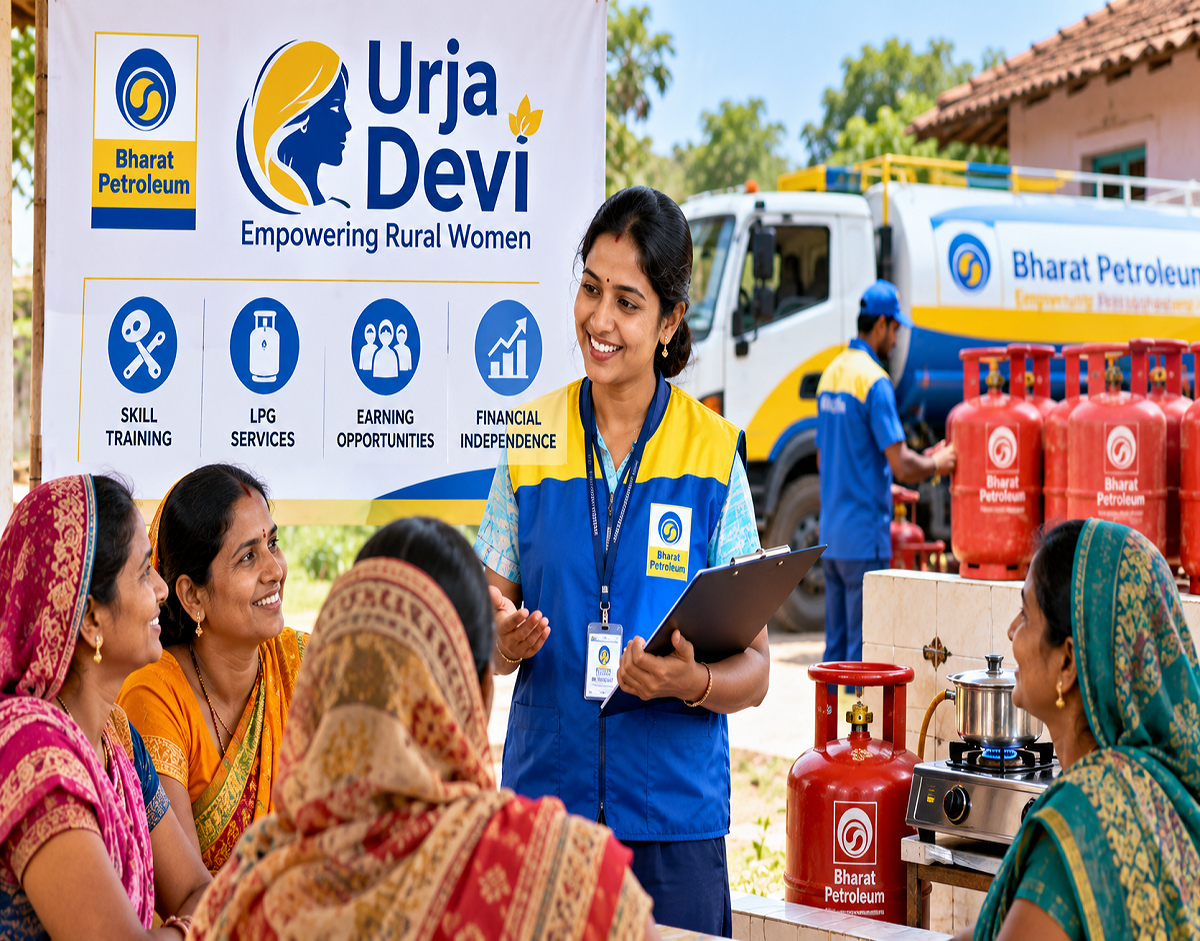
BPCL Urja Devi Initiative 2026: Bharat Petroleum Corporation Limited (BPCL) is highlighting new opportunities for rural women through its Urja Devi initiative, which focuses on livelihood development, skill-building and energy awareness. The programme aims to help women become more financially independent by encouraging their participation in energy-related activities and community development. From LPG services to digital literacy and potential small-business opportunities, the initiative seeks to strengthen women's economic participation in rural India.
BPCL Urja Devi Initiative 2026: What Is the Latest Update?
Creating sustainable livelihood opportunities for women is an important part of rural economic development.
Although many women possess valuable skills and practical knowledge, limited access to training, financial resources and employment opportunities can prevent them from earning a regular income.
BPCL's Urja Devi initiative aims to address some of these challenges by encouraging women's participation in energy-related services and community activities.
According to information shared by Bharat Petroleum LPG on social media platform X, the initiative focuses on helping rural women discover their potential, explore livelihood opportunities and contribute to lasting changes within their communities.
The programme reflects the idea that empowering women can also improve the economic and social well-being of their families and villages.
However, the information available in the October 2026 report does not specify a nationwide application process, fixed financial assistance or guaranteed employment benefits for every participant.
What Is the Main Objective of BPCL's Urja Devi Programme?
The central purpose of the Urja Devi initiative is to promote economic independence among women living in rural areas.
The programme emphasizes skills, awareness and opportunities connected with the energy sector.
By helping women participate in local economic activities, such initiatives can support household incomes while encouraging greater financial independence.
Another important objective is to strengthen women's confidence and decision-making abilities.
When women gain access to training and income-generating opportunities, they may be better positioned to contribute to family expenses, education and long-term savings.
The initiative also highlights the role women can play in spreading awareness about safe energy use and modern financial services.
Employment Opportunities in LPG-Related Activities
One potential area of livelihood development is participation in LPG-related services.
Rural women and members of Self-Help Groups (SHGs) may be able to explore opportunities connected with local LPG distribution networks, subject to the arrangements and eligibility requirements of authorized service providers.
These activities could include assisting customers with cylinder booking procedures, explaining available services and helping households understand the correct use of LPG.
Where appropriate training and authorization are provided, women may also participate in other permitted support activities associated with the LPG supply chain.
Such opportunities could allow participants to work closer to their homes rather than travelling long distances for employment.
However, LPG distribution and handling are regulated activities.
Women interested in these roles must follow the relevant safety requirements and work only through authorized arrangements.
The Urja Devi initiative should not be interpreted as an automatic offer of an LPG dealership or a guaranteed paid position.
Skill Development and Training in the Energy Sector
Practical training can play an important role in helping women access new employment opportunities.
The report highlights the potential for women to learn skills related to solar energy and other environmentally friendly technologies.
Depending on the training programme and local opportunities, such skills may support employment in installation assistance, basic maintenance or related technical services.
For example, women who complete suitable technical training may be able to explore work with authorized renewable energy service providers.
However, electrical installation, repair and other technical activities require appropriate qualifications, supervision and safety procedures.
Participants should undertake such work only when properly trained and authorized.
The report does not confirm a specific BPCL-sponsored solar training course, certification or guaranteed placement arrangement under Urja Devi.
Women Can Help Spread LPG Safety Awareness
Another important aspect of community development is educating households about safe cooking practices.
In many rural communities, women play a central role in managing household cooking arrangements.
Trained community volunteers or representatives can help explain the importance of safe LPG use.
They may share information about correct cylinder placement, proper ventilation and the need to inspect equipment through authorized technicians.
Women participating in such awareness activities may serve as local energy advocates, sometimes described as Urja Sakhis.
Their involvement can help other households understand basic precautions and recognize situations that require professional assistance.
For example, if a household suspects an LPG leak, residents should avoid operating electrical switches or using flames, turn off the gas supply if it is safe to do so, ventilate the area and contact the authorized emergency service.
Community awareness can help reduce unsafe practices and encourage timely reporting of problems.
Digital Literacy Can Create Additional Opportunities
Digital skills are increasingly important for managing household finances and accessing essential services.
Women who learn to use smartphones, online payment systems and banking applications may become more confident in handling everyday transactions.
Digital literacy training can also help participants understand how to book LPG cylinders through official channels.
Other useful skills include checking transaction records, identifying suspicious payment requests and accessing government services.
These capabilities may support women who operate small businesses or participate in Self-Help Groups.
For example, a woman running a home-based enterprise may use digital payments to receive money from customers and maintain basic financial records.
However, digital literacy should also include awareness of online fraud.
Users should never share banking passwords, OTPs or UPI PINs with unknown individuals.
How Self-Help Groups Can Support Rural Women's Income
Self-Help Groups have become an important platform for collective savings, financial awareness and local enterprise development.
Women participating in SHGs may benefit from shared learning, business planning and access to relevant support networks.
Energy-related livelihood opportunities could complement the activities already undertaken by these groups.
For instance, members may explore customer assistance services, community awareness work or other locally available economic activities.
The availability of these opportunities depends on local partnerships, training arrangements and market demand.
Participation in an SHG does not automatically guarantee selection under the Urja Devi initiative.
However, organized community groups can provide a useful foundation for developing practical skills and connecting women with appropriate institutions.
Can Women Start Small Businesses Through Skill Development?
Training and access to markets can also help rural women explore self-employment.
Depending on their interests and available resources, women may consider small enterprises such as tailoring, food processing, handicrafts or agricultural activities.
These businesses can potentially provide additional household income.
For example, women with tailoring skills may take clothing orders from nearby villages, while those involved in food processing may explore selling locally prepared products after meeting applicable safety and registration requirements.
However, these examples represent possible livelihood opportunities rather than confirmed financial benefits offered directly by BPCL under Urja Devi.
The supplied report does not establish that the programme provides grants, loans or equipment for each of these businesses.
Anyone considering an enterprise should assess training needs, investment costs and local customer demand.
BPCL Urja Devi Initiative 2026: Key Details
| Particulars | Information |
|---|---|
| Initiative Name | Urja Devi |
| Organization | Bharat Petroleum Corporation Limited (BPCL) |
| Main Focus | Rural Women's Empowerment |
| Key Areas | Livelihood Opportunities, Skills and Energy Awareness |
| Potential Participants | Rural Women and Community Groups |
| Related Activities | LPG Awareness, Digital Literacy and Energy-Related Skills |
| Guaranteed Financial Assistance | Not Specified in the Supplied Report |
| Official Application Dates | Not Specified |
| Nationwide Selection Process | Not Confirmed |
The table reflects the information available in the report and should not be treated as a complete official programme notification.
How Can Rural Women Find Out About Urja Devi Opportunities?
Women interested in the initiative should seek information through BPCL's official communication channels.
They may also inquire with authorized Bharat Petroleum LPG distributors about any verified local activities or training opportunities.
Where the programme is implemented through community organizations, details may be shared through the relevant local partners.
Before registering for any opportunity, applicants should confirm whether the activity is officially associated with BPCL.
They should also check whether there are eligibility conditions, training requirements or selection procedures.
Since the supplied report does not provide a confirmed application portal or registration deadline, readers should avoid websites claiming guaranteed enrollment without official verification.
Beware of Fake Registration and Job Offers
Government-linked and public-sector initiatives can sometimes be misused by fraudsters to attract applicants.
Women interested in Urja Devi should be cautious of messages promising guaranteed employment, large cash rewards or immediate dealership allotments in exchange for registration fees.
Do not transfer money to unknown individuals claiming to represent BPCL.
Applicants should also avoid sharing sensitive banking details or identification documents through unverified websites.
Official confirmation is particularly important when a programme involves employment, training or financial assistance.
Why Rural Women's Economic Independence Matters
Expanding livelihood opportunities for rural women can benefit entire communities.
An additional source of income may help families manage household expenses, improve access to education and build financial security.
Skill development can also strengthen women's confidence and increase their participation in local economic decisions.
When women gain access to relevant training and reliable employment opportunities, they may be better equipped to pursue long-term financial goals.
Community-based programmes can further encourage knowledge sharing and cooperation among participants.
However, sustainable benefits depend on practical implementation, access to markets and the availability of genuine earning opportunities.
BPCL Urja Devi 2026: What Women Should Remember
BPCL's Urja Devi initiative highlights the importance of helping rural women develop skills, explore livelihoods and participate in energy awareness activities.
The programme's focus on empowerment could support greater financial independence and community involvement.
Opportunities connected with LPG services, digital skills and energy-related training may be useful where appropriate local programmes are available.
However, the October 2026 report does not announce a fixed monthly salary, direct cash benefit, universal employment guarantee or confirmed nationwide registration process.
Women interested in participating should follow BPCL's official updates and verify local opportunities before applying or sharing personal information.
Disclaimer: This article provides general information about BPCL's Urja Devi initiative based on the supplied October 14, 2026 report. Specific eligibility conditions, training arrangements, payments and application procedures have not been independently confirmed. Readers should consult official BPCL channels for verified programme details.